12 Best Asian Comfort Dishes for Any Craving

12 Best Asian Comfort Dishes for Any Craving

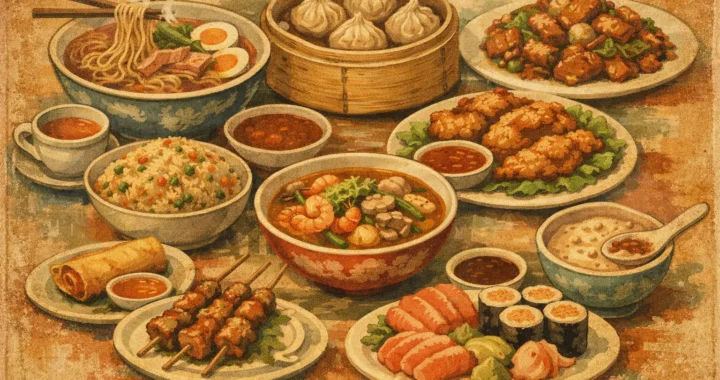
A cold Colorado Springs evening, a quick lunch between errands, or a family dinner with different tastes all call for the same thing: food that feels satisfying without being complicated. The best Asian comfort dishes bring together warm broths, filling rice, familiar noodles, and bold sauces, so there is usually something for everyone at the table.

Comfort food means different things to different people. Some want a rich bowl of ramen with a soft egg and tender noodles. Others want a simple rice bowl, a crisp sushi roll, or a sweet-and-savory Indonesian-inspired plate. The good news is that Asian comfort food offers plenty of ways to eat exactly what sounds right.

12 Best Asian Comfort Dishes to Order

1. Ramen

Ramen earns its place at the top because it covers a lot of cravings in one bowl. A good ramen combines springy noodles, a savory broth, protein, vegetables, and toppings such as green onion, seaweed, or egg. It is warm, filling, and easy to customize based on how hungry you are.

Broth choice matters. A richer pork-based or miso-style broth is ideal when you want something deeply savory, while a lighter shoyu-style broth can feel more balanced for lunch. If you are ordering takeout, eat ramen soon after it arrives so the noodles keep their best texture.

2. Udon Noodle Soup

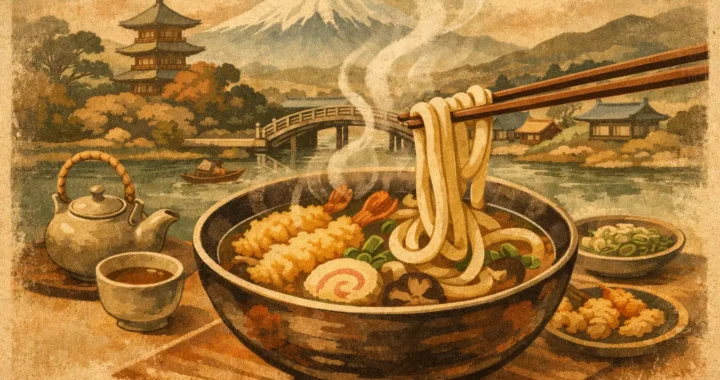
Udon is the choice for people who like their noodles thick, soft, and pleasantly chewy. The broth is often lighter than ramen, but the dish still feels substantial, especially with chicken, beef, shrimp, tofu, or vegetables added in.

Udon is also a strong pick for diners who are new to Japanese food. Its flavors are usually straightforward and comforting, and the noodle texture makes each bite especially satisfying. Choose udon when you want warmth without the richness of a heavy ramen broth.

3. Japanese Rice Bowls

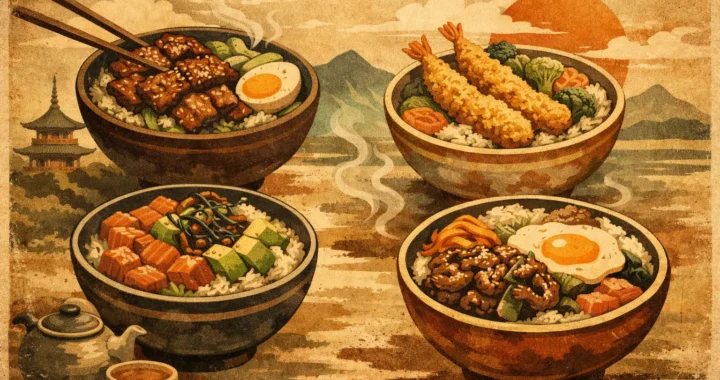
A rice bowl is one of the easiest comfort-food orders to make your own. Steamed rice provides the base, then a protein, vegetables, sauce, and toppings turn it into a complete meal. Chicken, beef, salmon, tofu, and vegetables can all work well, depending on the menu.

Rice bowls are practical for lunch, families, and takeout because they travel well and do not require much assembly. They are also a smart middle ground for a group where one person wants something familiar and another is ordering sushi or noodles.

4. Poke Bowls

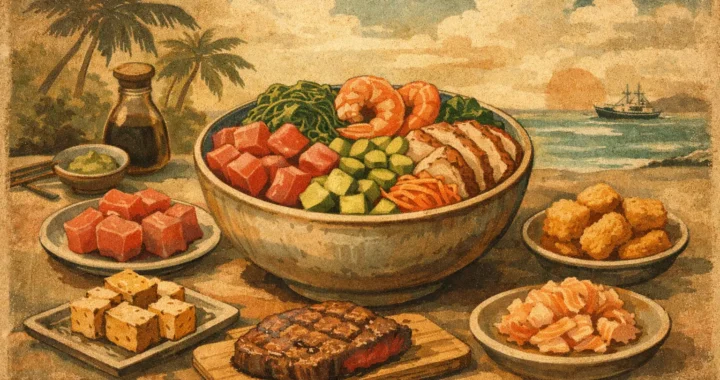
Poke bowls are lighter in feel than ramen but can still be filling. Typically built with rice, fish or another protein, crunchy vegetables, sauces, and toppings, they offer a mix of cool, fresh, and savory flavors in every bite.

This is a good comfort dish when you want a satisfying meal but are not in the mood for something hot or fried. For first-time poke diners, start with a protein and sauce you recognize, then add familiar toppings such as cucumber, avocado, edamame, or sesame seeds.

5. Nigiri and Sashimi

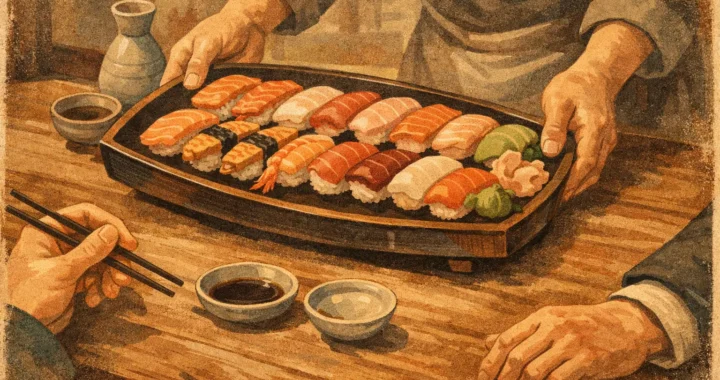
Sushi can absolutely be comfort food, especially when the focus is on clean, simple ingredients. Nigiri pairs a slice of fish with seasoned rice, while sashimi is served without rice. Both are a great choice when you want to taste the fish directly without a heavy sauce or fried coating.

The trade-off is that these options may not feel like a full meal on their own for every appetite. Pair nigiri or sashimi with miso soup, an appetizer, or a rice bowl if you want a more complete lunch or dinner.

6. Maki Rolls

Maki rolls are often the most approachable place to begin with sushi. The rice, seaweed, fillings, and sauces create a familiar, easy-to-share format. Options can range from simple cucumber or avocado rolls to more substantial rolls with fish, crab, shrimp, or tempura.

For beginners, cooked or vegetable-forward rolls can be a comfortable first step. For experienced sushi fans, a mix of simple rolls and specialty rolls creates variety without ordering too much of one flavor. Rolls are also one of the best choices for sharing at the table.

7. Tempura

Tempura brings crunch to a comfort-food meal. Lightly battered and fried shrimp or vegetables offer a crisp texture that pairs well with rice, noodles, or sushi. It is a dependable choice for anyone who wants something warm and familiar.

Because tempura is best when crisp, it is usually strongest for dine-in or quick pickup. If you are ordering a larger meal for delivery, balance it with soup, rice, or rolls that hold up well during the trip home.

8. Miso Soup

Miso soup may look simple, but it does a lot of work in a meal. Its savory broth can warm up your appetite, complement sushi, and add a comforting start to lunch or dinner. It is especially useful when you want a little more than a roll but not another full entree.

Think of miso soup as a supporting dish rather than the main event. It helps make a lighter sushi order feel more complete and provides a warm contrast to chilled fish or poke.

9. Indonesian-Inspired Dishes

Indonesian comfort food often brings deeper spice, aromatic seasoning, and satisfying rice-based meals to the table. Flavors may include soy sauce, garlic, chili, ginger, peanut, and herbs, creating dishes that can be savory, slightly sweet, and gently spicy at the same time.

For diners ready to try something beyond standard sushi-shop fare, Indonesian options are a great next order. Spice levels and preparations vary, so ask what to expect if you prefer mild flavors. O’Sae Colorado’s Taste of Indonesia selection makes it easy to add something different to a group order without leaving behind the familiar favorites.

10. Fried Rice

Fried rice is familiar for a reason. It is filling, flexible, and built around flavors that work for almost any age group. Rice is stir-fried with egg, vegetables, protein, and seasoning, creating a meal that feels both simple and complete.

It is one of the best options for sharing, and leftovers tend to reheat well. Fried rice is also a dependable choice when you want a warm dish that is less soupy than noodles and less delicate than sushi.

11. Small Rice Bowls

A smaller rice bowl is ideal when you want a quick meal, a budget-friendly lunch, or something to pair with sushi. It gives you the satisfying base of rice and protein without committing to a large entree.

This option works particularly well for mixed appetites. One person can order a mini bowl, another can choose ramen, and someone else can build a sushi plate. Everyone gets a meal that fits their hunger level instead of settling on one shared dish.

12. Desserts with Asian Flavors

A comfort-food meal does not have to end with the last bite of noodles. Desserts can bring a sweet finish that is especially welcome after spicy dishes, salty broths, or rich sauces. Depending on the menu, look for fruit, ice cream, mochi-style treats, or other light sweets.

Dessert is worth adding when the meal is shared. A few bites at the end can turn takeout dinner into a small occasion, even if the plan was simply to eat on the couch after a long day.

How to Build a Comfort-Food Order for a Group

The best group order usually includes one warm, filling item, one rice-based option, and a few shareable choices. For example, ramen or udon covers the person who wants soup; a rice or poke bowl works for the person looking for a complete meal; and maki rolls or tempura give the table something to share.

If someone is unsure about raw fish, do not push them toward it. Cooked rolls, tempura, noodles, fried rice, and chicken or beef bowls offer plenty of entry points. On the other hand, sushi fans can add nigiri or sashimi to make the meal feel more special.

Choose the Dish That Matches Your Craving

When you want warmth, choose ramen, udon, or miso soup. When you want something fresh, go for poke, sashimi, or a lighter sushi roll. Rice bowls and fried rice are reliable when you need a filling meal that travels well, while Indonesian-inspired dishes are a good move when you are ready for bigger, more layered flavors.

The right order is not always the most traditional or the most adventurous. It is the dish that fits your appetite, your schedule, and the people eating with you. Start with what sounds good, add one item that feels new, and let dinner be easy.
Sushi or Ramen Dinner? Choose What Fits Tonight

Sushi or Ramen Dinner? Choose What Fits Tonight

A sushi or ramen dinner can solve the same problem – everyone is hungry, but nobody wants the same thing. One person wants something light and fresh. Another wants a hot bowl they can settle into. The good news is that you do not have to treat the choice like a test. Start with the kind of meal you want to have, then choose what sounds right for tonight.

Sushi or Ramen Dinner: Start With Your Appetite

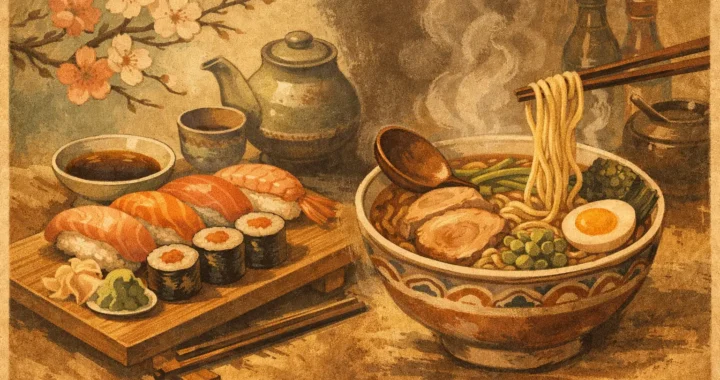
If you are looking for a meal that feels fresh, varied, and easy to share, sushi is usually the better direction. A table can mix nigiri, sashimi, maki, appetizers, and a few familiar rolls so each person gets what they actually want. Sushi also works well when you want to try several flavors instead of committing to one large bowl.

Ramen is the move when you want comfort and warmth. A steaming bowl gives dinner a clear center: broth, noodles, toppings, and a satisfying amount of substance in every bite. It is a strong choice after a long workday, before a cold evening, or anytime you want food that feels filling without requiring much decision-making.

Neither option has to be all or nothing. A group can order ramen for the noodle fans and sushi for the roll fans, then add appetizers or a rice bowl for someone who wants something in between. That flexibility is often the real answer when dinner plans include different appetites.

Choose Sushi When You Want Variety

Sushi is a practical dinner choice for people who like control over the meal. You can keep it simple with a few familiar rolls, build a more traditional selection with nigiri or sashimi, or mix both. It is especially useful when one person at the table is experienced with sushi and another is trying it for the first time.

For beginners, approachable rolls can make the first order feel less intimidating. There is no need to order the most traditional item on the menu just because it looks impressive. Pick flavors you recognize, ask questions if you are unsure, and order enough variety that you can find a favorite without overthinking it.

For regular sushi diners, dinner can be more about contrast. A combination of maki with nigiri or sashimi gives you different textures and portions. Add an appetizer to make the meal feel more complete, particularly if you are sharing. Sushi also travels well for a planned takeout dinner when you want separate items that are easy for everyone to choose from.

Sushi may not be the best fit if you are extremely hungry and want one hot, hearty dish right away. You can absolutely make a full meal of it, but it helps to order with intention. Choose a mix of rolls, protein, sides, or a bowl rather than assuming one item will cover a big appetite.

A quick sushi check

Choose sushi if you want a cooler, lighter-feeling meal; enjoy sharing; want a lot of flavor variety; or need an order that works for people with different comfort levels around Japanese food.

Choose Ramen When Comfort Comes First

Ramen is built for the nights when you want dinner to feel settled. The warmth of the broth and the chew of the noodles make it an easy choice when Colorado Springs weather turns chilly, but ramen is not only a cold-weather meal. It works just as well when you need a filling lunch, a quick dinner after errands, or a reliable takeout option that does not require a lot of picking and choosing.

A ramen dinner is often easier for a tired decision-maker. Rather than comparing several rolls and combinations, you pick the bowl that matches your appetite and let the meal do its job. It is comforting, straightforward, and satisfying for diners who prefer hot food over a chilled or shared plate.

Ramen can also be a friendly bridge for people who are new to Japanese dining. Noodles and soup are familiar formats, even when the flavors are new. If someone in your group is hesitant about sushi, ramen gives them an easy, recognizable starting point while the rest of the table orders what they want.

The trade-off is that ramen is less naturally shareable. It is a personal bowl, and it is usually best enjoyed soon after it arrives. If you are ordering takeout, plan to eat it promptly so the noodles and broth are at their best. For a relaxed dine-in meal or a direct trip home, that is rarely a problem.

Think About the Rest of the Table

The best sushi or ramen dinner is not always about your own craving. It is often about making dinner simple for everyone involved. Families may have one person who wants noodles, one who wants a rice bowl, and another who only wants sushi. Friends meeting after work may want a table full of shareable choices. Students may be looking for a filling option without turning dinner into a big event.

This is where a broad Japanese and Asian menu makes a difference. You do not need to convince everyone to like the same dish. Sushi, ramen, udon, poke, rice bowls, soups, and appetizers can give a group room to order comfortably. Indonesian-inspired selections can also offer another direction for diners who want to try something beyond the usual sushi-and-noodles decision.

At O’Sae Colorado, that kind of menu range makes ordering easier for mixed groups. You can keep dinner familiar for one person and let another explore something new, all from the same order.

If you are feeding kids or ordering for people with strong preferences, avoid making the meal more complicated than it needs to be. Start with the most particular eater. Once they have a choice they are happy with, the rest of the order usually comes together quickly.

Dine-In or Takeout Can Change the Answer

For dine-in, both sushi and ramen are easy choices. Sushi is great for a longer meal where people want to talk, share, and sample different dishes. Ramen is ideal when you want to sit down, warm up, and enjoy a bowl while it is freshly served.

For takeout, think about timing. Sushi is convenient when everyone wants individual items or you are bringing dinner to a small gathering. Ramen is still a good takeout choice, especially when you are headed home right away, but it is best not to let it sit around while you finish other errands.

If you are ordering online for a busy night, keep the order clear. Choose mains first, then decide whether the table needs an appetizer, soup, dessert, or a smaller bowl to round things out. You do not need to order every category. A simple order that suits everyone is better than a large one full of items nobody is excited to eat.

Make Tonight’s Choice Easy

Ask one question: do you want fresh variety or warm comfort? If the answer is fresh variety, order sushi. If the answer is warm comfort, order ramen. If the group cannot agree, order both and let dinner be what it should be – easy, filling, and suited to the people at the table.

The best choice is the one that gets everyone fed without turning a simple dinner into a debate.

Sushi Rolls Versus Sashimi for Your Next Order

Sushi Rolls Versus Sashimi for Your Next Order

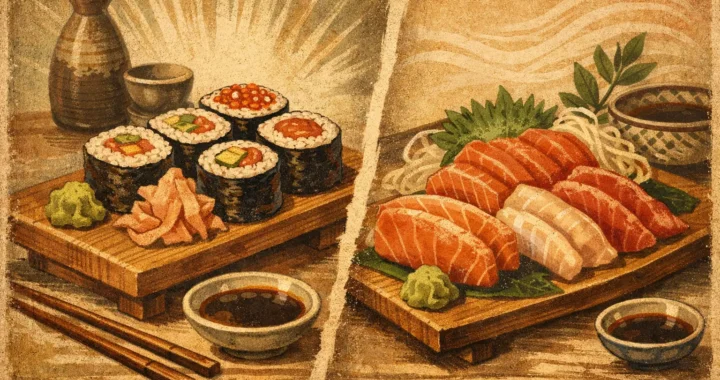
When a table is deciding between ramen, poke, and sushi, the sushi choice can still bring up one question: sushi rolls versus sashimi. Both can feature fish and familiar Japanese flavors, but they offer very different eating experiences. One is built for variety and a satisfying bite. The other keeps the focus squarely on the seafood.

Knowing the difference makes ordering easier, whether you are trying sushi for the first time, choosing a lighter lunch, or putting together a dinner where everyone wants something different.

What Is the Difference Between Sushi Rolls and Sashimi?

The simplest distinction is rice. Sushi is made with seasoned vinegar rice, while sashimi is usually thinly sliced raw fish or seafood served without rice. That means sashimi is not technically sushi, even though both often appear together on a sushi menu.

Sushi rolls, also called maki, wrap sushi rice and fillings in seaweed or another outer layer. Fillings can include raw fish, cooked shrimp, crab-style seafood, eel, vegetables, avocado, cucumber, cream cheese, or spicy sauces. A roll is cut into bite-size pieces, so it is easy to share and gives you several flavors in every piece.

Sashimi is more straightforward. It may be salmon, tuna, yellowtail, shrimp, octopus, or another seafood selection, cut to show its texture and flavor. It is typically served with soy sauce, wasabi, ginger, and garnishes such as daikon radish. The fish does the talking, so quality, freshness, and proper preparation matter a great deal.

Where Does Nigiri Fit In?

Nigiri is the useful middle ground. It is a small hand-formed piece of sushi rice topped with fish or seafood. If sashimi sounds appealing but you still want a little rice, nigiri is often the best place to start. It also lets you taste one type of fish at a time without the added flavors of a full roll.

Flavor and Texture: What to Expect

A sushi roll is usually the more layered option. The rice has a mild tang from vinegar seasoning, nori adds a savory note, and fillings can range from crisp cucumber to rich avocado to spicy tuna. Sauces, sesame seeds, tempura crunch, and tobiko can add even more flavor and texture.

That variety is exactly why rolls work well for beginners and groups. A California-style roll can feel familiar and mild. A spicy tuna roll brings heat. A tempura roll may appeal to someone who prefers cooked seafood and a crispy texture. There is no single sushi-roll experience because the fillings change everything.

Sashimi is cleaner and more direct. Salmon sashimi is often buttery and rich, while tuna tends to be leaner and more savory. Yellowtail can be silky with a fuller flavor. Since there is no rice or sauce to soften the seafood, sashimi is usually best for diners who enjoy the natural taste and texture of fish.

Neither choice is automatically better. It depends on what sounds good that day. If you want contrast, crunch, and a filling meal, rolls are a natural choice. If you want to slow down and taste the seafood itself, sashimi is hard to beat.

Sushi Rolls Versus Sashimi: Which Is More Filling?

Sushi rolls are generally more filling because rice is a main component. A standard roll often includes several pieces, plus fillings and sometimes sauces or fried elements. That makes rolls a practical choice for lunch, dinner, or sharing with the table.

Sashimi is lighter in the sense that it does not include rice, but portion size still matters. Fish contains protein and healthy fats, especially varieties such as salmon, so a sashimi plate can be satisfying. Still, someone with a larger appetite may want to pair it with miso soup, edamame, a small rice bowl, salad, or noodles.

If you are looking for a balanced order, a few pieces of sashimi plus nigiri or a simple roll gives you both the clean flavor of the fish and the comfort of seasoned rice. This is also a good approach when two people have different preferences.

Nutrition Depends on the Ingredients

It is easy to assume sashimi is always the lighter choice and rolls are always the heavier one. Often that is true, but not always. Sashimi has no rice and usually no added sauce, so it can be a good choice for diners who want more protein and fewer carbohydrates. Its nutrition profile mainly depends on the type and amount of fish.

Rolls vary widely. A cucumber or tuna roll can be fairly simple, while a large specialty roll with tempura, spicy mayo, eel sauce, and cream cheese can be much richer. Rice also contributes carbohydrates, and soy sauce can add significant sodium if used heavily.

There is no need to treat either option as a rulebook. If you want a lighter order, choose sashimi, nigiri, or a simple roll and use sauces on the side when available. If you want a hearty, comfort-food meal, a specialty roll can be exactly the right call. The best choice is one that fits your appetite rather than one that follows a food trend.

How to Order if You Are New to Sushi

Starting with sashimi can feel like a big leap if you do not already enjoy raw seafood. A beginner-friendly roll is often more approachable because the rice and other ingredients round out the flavor. Cooked shrimp, crab-style seafood, avocado, cucumber, and tempura options can offer a familiar entry point.

If you are curious about raw fish, try a simple salmon or tuna roll before ordering a full sashimi plate. Nigiri is another easy next step because it introduces the fish in a simple format while still including rice. From there, sashimi becomes less intimidating because you already know which fish you like.

For experienced sushi fans, sashimi is a chance to compare different seafood selections side by side. Order a variety rather than several pieces of one fish if you want to notice the differences in richness, texture, and flavor. A simple roll on the side can add variety without taking attention away from the fish.

A Few Practical Ordering Tips

Raw seafood is not the only sushi option. Many rolls include cooked ingredients, and vegetarian rolls can be just as satisfying. If you are pregnant, have a weakened immune system, or have been advised to avoid raw seafood, choose cooked menu options and ask the restaurant staff for guidance.

Allergies deserve the same care. Sushi can include fish, shellfish, sesame, soy, wheat, and egg, while sauces may contain ingredients that are not obvious from the name. Let your server know about allergies before ordering rather than trying to guess from appearance.

When eating sashimi, use soy sauce lightly. Dipping the fish can add flavor, but soaking it can cover the delicate taste you ordered it for. With nigiri, a light touch of soy sauce on the fish side, rather than the rice, helps keep the piece together.

Choosing for a Group Meal

For a group with mixed tastes, ordering only sashimi can leave some people wanting something more familiar or filling. Ordering only rich specialty rolls can leave seafood fans wishing for a simpler bite. A mix usually works best: choose a few rolls with different flavor profiles, add sashimi or nigiri for the traditional sushi lovers, and include an appetizer or warm dish for anyone skipping raw seafood.

That flexibility is part of what makes a casual sushi meal easy to share. At O’Sae Colorado, a group can pair sushi choices with ramen, rice bowls, poke, or other Asian comfort dishes, so no one has to order outside their comfort zone.

The next time the menu puts sushi rolls and sashimi side by side, order for the experience you want: a colorful, filling mix of flavors, or a simple plate that lets great seafood stand on its own.

How to Order Nigiri Platter for Your Table

How to Order Nigiri Platter for Your Table

A nigiri platter is one of the easiest ways to put a good mix of sushi on the table without having to choose every piece one at a time. If you are wondering how to order nigiri platter options for lunch, dinner, or takeout, start with the people eating it. A couple of simple choices – how many diners, how adventurous they are, and whether sushi is the whole meal – will point you toward the right order.

Nigiri is sushi made with a small hand-pressed bed of seasoned rice topped with a slice of fish or seafood. It is different from a sushi roll, where rice and ingredients are wrapped together. A platter brings several nigiri choices together, giving your group variety while keeping the ordering process straightforward.

How to Order Nigiri Platter Without Overordering

First, decide whether the platter is the main course or part of a larger meal. For a light meal, many adults are comfortable with around six to eight pieces of sushi, depending on appetite and what else is on the table. If you are adding ramen, udon, appetizers, rice bowls, or rolls, you can order less nigiri per person and still have a satisfying spread.

A simple way to plan is to count the diners who will actually eat raw fish or seafood. Not everyone at the table needs to share the platter equally. One person may want salmon and tuna nigiri while another would rather have chicken karaage, a cooked roll, or noodles. Ordering for the group works best when each person has an option they will enjoy.

For two sushi fans, a platter plus one shared appetizer or roll can make a complete meal. For a family or larger group, choose a larger assortment and add familiar cooked items. This creates a table with something for beginners and experienced sushi diners, without turning the order into a guessing game.

Start With Familiar Fish

If this is your first time ordering nigiri, salmon and tuna are usually comfortable starting points. Salmon has a rich, smooth texture, while tuna is clean and mild. Shrimp is cooked and has a firmer bite, which can be a good choice for anyone who prefers seafood that is not raw.

As you get more comfortable, try variety through fish texture and flavor. White fish can be delicate and lightly sweet. Eel is typically served cooked with a sweet-savory sauce. Octopus has more chew, and roe offers a pop of salty flavor. A well-chosen platter lets you try these differences without committing to a full order of each item.

There is no need to order the most unusual item on the menu to have an authentic sushi experience. The best platter is the one your table will finish and enjoy.

Choose the Right Mix of Nigiri

A balanced nigiri platter usually includes a few familiar choices, a few mild choices, and one or two selections with more character. That may mean salmon, tuna, shrimp, a white fish, and a cooked option such as eel. The exact selection depends on availability and the restaurant’s current menu, so it is always fine to ask what fish is being featured that day.

If you are ordering for people with different comfort levels, ask for a mix that leans familiar. A restaurant team can help guide you toward approachable picks and flag items that are cooked, richer in flavor, or more adventurous in texture. This is especially helpful when a platter is being shared by first-time sushi guests and regular sushi eaters.

Keep in mind that nigiri is rice-forward. Each piece includes seasoned sushi rice, so a large platter is more filling than it may look. If your group also wants several rolls, poke, or noodle dishes, a moderate platter often makes more sense than the largest option.

Raw, Cooked, and Vegetarian Considerations

Before placing the order, check whether anyone needs cooked seafood, vegetarian food, or has an allergy. Shrimp and eel may suit diners who want cooked seafood, but always confirm preparation and ingredients when needed. If someone has a fish, shellfish, soy, sesame, or gluten concern, let the restaurant know before ordering.

Nigiri platters are not always the best single choice for every table. A guest who does not eat seafood may be happier with vegetable rolls, tofu, noodles, rice bowls, or another Asian comfort-food option. Building a shared meal around the whole group is more useful than trying to make every person fit one platter.

Add Sides That Make the Platter Feel Like a Meal

Nigiri has a clean, simple flavor, so a few sides can round out the meal. Miso soup is light and warming. Edamame is easy to share. Gyoza, tempura, or other appetizers add crunch and a cooked option. If you want a heartier dinner, ramen or udon can give the table a warm, filling centerpiece alongside sushi.

For takeout, choose sides that travel well and match the timing of your meal. Nigiri is best enjoyed soon after pickup, while soup and noodle dishes may need a little extra care on the ride home. If you are ordering for a work lunch or family dinner, plan the pickup time so the sushi does not sit too long before serving.

At O’Sae Colorado, it can also be practical to pair sushi with menu choices beyond Japanese favorites. A group may want nigiri while someone else is in the mood for a rice bowl or an Indonesian-inspired dish. That kind of variety makes one order easier when cravings do not match.

How to Eat Nigiri at the Table

Nigiri is usually served with soy sauce, wasabi, and pickled ginger. The ginger is meant to refresh your palate between different fish, not to pile on top of every piece. Wasabi can be added in a small amount if you like heat, but it is completely optional.

When dipping nigiri in soy sauce, turn the piece slightly and touch the fish side to the sauce instead of soaking the rice. Rice absorbs soy sauce quickly and can fall apart if it gets too wet. Chopsticks work well, but using clean hands for nigiri is also perfectly acceptable in a casual setting.

Try the pieces one at a time rather than mixing them into a shared bowl of sauce. Start with milder fish and move toward richer or stronger flavors, such as eel or roe. This is not a strict rule, but it helps you notice the difference between each selection.

Ordering Nigiri for Takeout or a Group

For takeout, ask for the platter to be packed with sauces and extras on the side. That helps preserve the texture of the rice and fish. Once home, open the container, set out small dipping dishes, and serve the sushi promptly. Avoid reheating nigiri or leaving it in a hot car.

For a group order, label or call out the more distinctive pieces before everyone starts picking. If someone is excited to try a specific fish, make sure they get a piece first. It is a small detail that keeps a shared platter from becoming a scramble.

A nigiri platter should feel easy, not intimidating. Order enough for the sushi fans, add a few dishes for the rest of the table, and choose fish that fits your group. The right platter is the one that lets everyone take a bite, try something new if they want to, and leave the table happy.

A Guide to Asian Rice Bowls for Every Craving

A Guide to Asian Rice Bowls for Every Craving

A rice bowl can solve the hardest group-order question: one person wants something filling, another wants fresh vegetables, and someone else is looking for a familiar protein with a good sauce. This guide to Asian rice bowls makes the choices easier, whether you are ordering a quick lunch, picking up dinner after work, or trying something beyond your usual sushi roll.

The basic idea is simple: rice, protein, vegetables, and sauce in one bowl. What makes the category worth coming back to is the range. A bowl can be light and bright, rich and savory, spicy, crunchy, or built around comfort-food flavors. There is no single “Asian rice bowl” formula, because Japanese, Korean, Indonesian, Hawaiian-inspired poke, and other regional cuisines each bring different ingredients and cooking styles to the table.

Start With the Kind of Meal You Want

Before looking at individual toppings, decide what you need the bowl to do. A warm bowl with grilled or braised protein is often the right call when you want a substantial dinner. A poke-style bowl can feel cooler and lighter, especially if you like raw fish, crisp vegetables, and a clean finish. A mini bowl is useful when you want a smaller meal, a side to share, or an easy add-on with sushi or soup.

For many diners, the best choice comes down to familiar versus adventurous. Chicken, beef, shrimp, or tofu are easy starting points if you are new to Asian rice bowls. If you already enjoy sushi, salmon or tuna in a poke bowl may be a natural next order. The ingredients may be new, but the format is not complicated: choose the flavors that sound good together and let the rice hold it all together.

A Guide to Asian Rice Bowls: Build From the Base Up

Rice is not just filler. It changes the texture, flavor, and overall weight of the bowl. Steamed white rice is soft, neutral, and ideal for soaking up savory sauces. It works well with almost any protein and is a safe option for picky eaters or families sharing several dishes.

Sushi rice is typically seasoned and a little stickier, which makes it a natural match for poke and sushi-inspired bowls. Its mild tang can balance rich salmon, spicy tuna, avocado, and creamy sauces. Fried rice, when offered, brings more seasoning and can make a bowl feel especially hearty.

The right base depends on the toppings. If the bowl has a bold sauce or tender, saucy meat, plain steamed rice gives the other ingredients room to stand out. If the toppings are fresh and lightly seasoned, sushi rice adds a bit more personality without taking over.

Choose a Protein That Fits Your Comfort Level

Protein is usually the center of the bowl, but it does not have to make the decision difficult. Grilled chicken is a reliable choice for diners who want something familiar. Beef can bring a deeper, richer flavor and pairs well with onions, sesame, and savory sauces. Shrimp offers a lighter seafood option, while tofu gives the bowl a satisfying plant-based direction when it is well-seasoned and cooked with care.

Raw fish is best for people who already enjoy sashimi, nigiri, or sushi. Salmon tends to be buttery and mild. Tuna is leaner with a cleaner flavor. In a poke-style bowl, these fish are commonly combined with rice, cucumber, avocado, scallions, seaweed, or a sauce with a little heat.

There is no need to order raw fish simply because it is popular. A cooked bowl can be every bit as flavorful, and it may travel better for takeout if you are driving across Colorado Springs before eating. For a first poke experience, asking for a simple fish-and-rice combination with familiar vegetables is often better than piling on every available topping.

Add Contrast With Vegetables and Crunch

The best bowls have contrast. Soft rice and tender protein need something crisp, fresh, or tangy to keep every bite interesting. Cucumber, cabbage, carrots, radish, edamame, seaweed salad, scallions, and avocado all do different jobs. Cucumber is cool and crisp. Pickled vegetables add acidity. Avocado brings richness. Sesame seeds, fried onions, or crunchy toppings add texture.

This is also where you can make a bowl work for different appetites. Want something lighter? Choose extra vegetables and a brighter sauce. Want a more filling dinner? Add avocado, a generous protein portion, or a side dish. If you are feeding kids or a diner who prefers simple flavors, fewer toppings can be the smarter choice. A bowl does not need to be loaded to be good.

Understand the Sauce Before You Commit

Sauce is often the biggest flavor decision. It can turn a simple rice and protein bowl into something sweet, spicy, smoky, creamy, or deeply savory. If you are unsure how much heat you want, start mild or ask for sauce on the side when possible. You can always add more, but it is hard to take heat away.

Soy-based sauces are usually savory and salty, with a clean finish that works across many proteins. Teriyaki-style sauces bring sweetness alongside savory depth and are a dependable option with chicken, beef, or salmon. Spicy mayo adds creaminess and heat, while sesame-forward sauces can give the bowl a nutty, roasted flavor.

Some bowls use chili, garlic, fermented ingredients, or stronger spices. These can be great if that is what you are craving, but the flavor profile matters more than the name of the dish. If you know you enjoy spicy ramen, kimchi, or chili sauces, you may be ready for more heat. If not, keep the first order straightforward and build from there next time.

Think About Temperature and Takeout

Rice bowls are convenient, but not every style eats the same after a long drive. Warm bowls with cooked proteins tend to hold up well for takeout, especially when the sauce is mixed through the rice. Fresh poke bowls are best enjoyed soon after pickup, when the fish is chilled and the vegetables are still crisp.

If you are ordering for an office lunch or bringing dinner home, consider separating sauces or crunchy toppings if the option is available. This helps preserve texture. It also gives everyone more control over spice and seasoning, which is useful when a group has different preferences.

At O’Sae Colorado, the broader menu makes rice bowls an easy choice when not everyone wants the same thing. One person can choose a bowl while someone else goes for ramen, udon, sushi, appetizers, or an Indonesian-inspired dish. That flexibility is one reason Asian comfort food works well for family dinners and casual group meals.

Good First Orders for New Rice Bowl Diners

If rice bowls are new to you, avoid treating the order like a test. Start with a cooked protein, white rice, a savory or mildly sweet sauce, and a few vegetables you already like. Chicken with rice, cucumber, avocado, and a gentle sauce is an approachable place to begin. Shrimp or tofu can work the same way.

For sushi fans trying poke, salmon or tuna over sushi rice with cucumber, avocado, scallions, and a modest amount of spicy or soy-based sauce is a good introduction. The goal is to taste the fish and rice, not bury them under too many competing flavors.

If you already know you like bold food, look for bowls with chili, garlic, pickled vegetables, or richer sauces. Balance matters here. A spicy protein, creamy sauce, avocado, and rice can become heavy quickly, so a crisp vegetable or tangy topping makes the whole bowl better.

Make the Bowl Yours Without Overthinking It

The most useful rule is to choose one main flavor direction. Go savory and grilled, fresh and sushi-inspired, sweet and smoky, or spicy and rich. Then add contrast with vegetables, crunch, or a bright topping. Ordering becomes much easier when you stop trying to include every ingredient at once.

A good rice bowl should meet you where you are that day. Keep it simple when you want a dependable lunch. Add heat when you are in the mood for it. Try a new protein or regional flavor when you have time to enjoy the change. The next time dinner needs to be quick but not boring, a well-chosen bowl is a practical place to start.

What Is Udon Soup? A Simple Japanese Favorite

What Is Udon Soup? A Simple Japanese Favorite

A bowl of udon is the kind of meal that works when one person wants something light and another wants something filling. So, what is udon soup? It is a Japanese noodle soup made with thick, chewy wheat noodles in a flavorful broth, usually finished with simple toppings such as green onion, tempura, tofu, egg, or sliced meat.

Udon is comfort food, but it is not one single recipe. The noodles stay at the center of the bowl while the broth, temperature, toppings, and regional style can change. That makes udon a practical choice for lunch, dinner, or takeout when you want a warm meal without needing to know every Japanese menu term.

What Is Udon Soup Made Of?

Udon soup begins with udon noodles. These noodles are made primarily from wheat flour, water, and salt. Compared with ramen noodles, udon is thicker, paler, and softer with a pleasantly springy bite. A good udon noodle should feel substantial without being heavy or gummy.

The broth is often the next thing people notice. Many traditional versions use dashi, a Japanese stock commonly made from kombu, a type of kelp, and bonito flakes. Dashi has a savory, lightly briny taste that gives the soup depth without making it creamy or overly rich. Soy sauce and mirin, a mildly sweet cooking rice wine, are often added to season the broth.

Not every udon broth tastes the same. Some are clear and delicate, while others are darker, sweeter, or bolder with curry, miso, or meat-based flavors. The result can be simple enough for a quick meal or layered enough to satisfy a serious noodle craving.

Udon Noodles vs. Ramen Noodles

Udon and ramen are both popular Japanese noodle soups, but they offer different experiences. Udon noodles are thick, round or slightly flat, and made from wheat flour. Ramen noodles are usually thinner, firmer, and often made with alkaline water, which gives them their familiar yellow color and firmer texture.

Broth is another difference. Ramen is often associated with rich pork, chicken, miso, or soy-based broths. Udon commonly uses dashi-forward broth that can taste cleaner and lighter, though curry udon and beef udon can be quite hearty.

If you like a soft, chewy noodle and a broth that lets toppings stand out, udon may be your pick. If you prefer firmer noodles and a richer, more intensely seasoned broth, ramen may fit the moment better. Neither is automatically lighter or heavier – the preparation matters.

Common Types of Udon Soup

A menu may list several types of udon, and the names often tell you what is in the bowl. Once you know a few basics, ordering becomes much easier.

Kake Udon

Kake udon is the straightforward starting point: udon noodles in hot broth, often topped with sliced green onion. It is a good choice for someone trying udon for the first time because the noodle and broth are allowed to speak for themselves.

Tempura Udon

Tempura udon includes crisp fried shrimp or vegetables served on top of, or alongside, the noodles. The contrast is part of the appeal. As the tempura meets the broth, some pieces stay crunchy while others soak up the savory flavor. It is satisfying, although the tempura can soften quickly in a to-go bowl.

Beef Udon

Beef udon typically features thinly sliced beef, often cooked with soy sauce and a little sweetness. The beef adds richness to the dashi broth and turns the dish into a more filling meal. It is a familiar option for diners who want a protein-forward bowl.

Curry Udon

Curry udon combines thick noodles with Japanese curry broth. The curry is usually savory and mildly sweet, with a thicker texture than clear dashi broth. Spice levels vary by recipe, but Japanese curry is often more warming than fiery. Ask if you prefer a stronger heat level.

Kitsune Udon

Kitsune udon is topped with aburaage, thin fried tofu that has been seasoned in a sweet-savory sauce. Despite the name, there is no fox in the dish. The name comes from a Japanese folklore connection between foxes and fried tofu. This is a useful meatless option, though diners should still check whether the broth contains fish-based dashi.

Cold Udon

Udon does not always arrive in a steaming bowl. Cold udon is often served chilled with a dipping sauce, especially in warmer weather. The cold temperature highlights the noodle’s chewy texture. It can be refreshing, but it does not deliver the same cozy, brothy experience as hot udon soup.

Toppings That Change the Bowl

Udon toppings are usually simple, but they make a real difference. Green onions add freshness. Soft egg can add richness. Fish cake, often called kamaboko, brings a mild seafood flavor and a soft, bouncy texture. Seaweed adds a mineral, ocean-like note, while sesame seeds add a little nuttiness.

Tempura, grilled chicken, beef, tofu, and vegetables can make udon more substantial. If you are ordering for a group with different tastes, udon is flexible because toppings can help move the bowl toward light, vegetarian-friendly, seafood-focused, or meatier territory.

For takeout, consider how the toppings travel. Noodles can continue absorbing broth, and crispy toppings may lose their crunch. If possible, keep tempura separate until you are ready to eat. Reheating the broth gently and adding the noodles near the end can help preserve their texture.

Is Udon Soup Spicy?

Traditional udon soup is not usually spicy. A basic dashi broth is savory, lightly sweet, and salty, not hot. Curry udon may have gentle heat, and certain restaurants may offer chili oil, chili flakes, or spicy sauces as additions.

That makes udon a friendly option for kids, spice-sensitive diners, and anyone who wants a break from hotter dishes. If you do enjoy heat, add it gradually. Thick noodles hold onto broth well, so a little chili can go a long way across the bowl.

Is Udon Soup Vegetarian or Gluten-Free?

It depends on the recipe. Udon noodles are made from wheat, so standard udon is not gluten-free. People avoiding gluten should choose another noodle option unless a restaurant specifically offers gluten-free noodles and prepares them separately.

Vegetarian status also depends on the broth. Dashi often contains bonito flakes, which are fish, even when the bowl is topped only with vegetables or tofu. A vegetable broth and plant-based toppings can make an udon dish vegetarian, but it is always worth asking when dietary needs are strict.

The same practical approach applies to allergies. Soy sauce may contain wheat, tempura contains batter, and shared kitchen equipment can matter for people with serious allergies. Clear questions help the restaurant guide you to the best option.

How to Order Udon for the First Time

Start with the kind of meal you want. Choose plain or kake udon if you want to taste the broth and noodle texture. Choose beef, chicken, tofu, or tempura if you want more protein or texture. Choose curry udon when you are looking for a thicker, heartier bowl.

There is no special rule for eating it. Chopsticks are traditional, but the goal is to enjoy your meal, not pass a test. Slurping noodles is common in Japan and can help cool them, but it is also fine to eat at your own pace. Use a soup spoon for the broth, and do not worry if the noodles are too long for one bite.

At O’Sae Colorado, udon can be a comfortable choice when your table is balancing sushi orders, rice bowls, ramen, and other Asian favorites. It gives newcomers an easy entry point while still offering the satisfying noodle texture longtime Japanese food fans look for.

The best udon bowl is the one that fits your appetite that day: clear broth and green onion when you want simple comfort, tempura when you want contrast, or curry when you want a fuller, warming meal.

12 Best Appetizers Before Sushi

12 Best Appetizers Before Sushi

Ordering sushi gets harder when the table is hungry enough to order everything at once. The best appetizers before sushi are the ones that wake up your appetite without burying the flavors you came for – clean fish, seasoned rice, and a little contrast from soy sauce, wasabi, or ginger. If the starter is too heavy, too greasy, or too sweet, your rolls and nigiri can feel flat before they even arrive.

That is why the right appetizer depends on what kind of sushi meal you want. If you are planning a lighter lunch with sashimi or simple maki, your starter should stay light too. If your table is mixing in specialty rolls, cooked items, and a few non-sushi dishes, you have more room for something crisp or savory up front.

What makes the best appetizers before sushi?

A good sushi appetizer does one of three things. It can refresh your palate, add texture, or bring a warm contrast before cooler dishes hit the table. Miso soup works because it is light and savory. Seaweed salad works because it is briny and crisp. Gyoza works when you want a little comfort food, but it can still be too filling if sushi is the main event.

The easiest mistake is treating appetizers like a separate meal. Tempura, fried rice, or a large noodle dish may be great on their own, but they can crowd out the sushi course fast. If your goal is to enjoy the fish, the rice, and the variety on the sushi plate, moderation matters.

Light appetizers before sushi that usually work best

If you want the safest choices, start with dishes that are warm, clean-tasting, and easy to share.

Miso soup

Miso soup is one of the best appetizers before sushi because it starts the meal gently. It is warm, salty, and savory without being heavy. That warmth can be especially nice if you are following it with sashimi, nigiri, or chilled rolls.

It also works well for mixed groups. Someone ordering ramen or a rice bowl can still enjoy miso soup, and sushi fans do not have to worry about overwhelming their palate.

Seaweed salad

Seaweed salad is a strong pick when you want something cold, light, and a little bright. The texture wakes up your appetite, and the sesame seasoning gives you flavor without too much richness. It pairs especially well before tuna, salmon, yellowtail, and simpler cucumber or avocado rolls.

If your table is ordering spicy rolls or richer items later, seaweed salad gives you some balance at the start.

Edamame

Edamame is simple for a reason. It is easy to share, easy to like, and does not compete with sushi. Plain salted edamame is usually the better move before sushi than garlic-heavy or spicy versions, especially if you want the fish to stay front and center.

It is also a good option for beginners who may not know what they want yet. You can snack on it while deciding between nigiri, maki, or cooked rolls.

House salad or ginger salad

A small salad with ginger dressing can work really well before sushi. The acidity and freshness sharpen your appetite, and it keeps the meal from starting too rich. This is a smart choice if you know your main order includes tempura rolls, baked rolls, or mayo-based sauces.

Not every sushi meal needs fried starters. Sometimes a salad does the job better.

Warm appetizers before sushi when you want more comfort

Some diners want a little more substance before sushi, especially at dinner or when sharing with family. That can work, but the portion matters.

Gyoza

Gyoza is one of the most reliable warm appetizers before sushi. The filling is savory, the wrapper adds texture, and the dipping sauce gives a little tang. It feels satisfying without automatically becoming too much, as long as you are sharing a plate instead of treating it as your own first course.

If your main order is lighter – sashimi, hand rolls, or basic maki – gyoza can round out the meal nicely. If you are already ordering specialty rolls, fried rolls, or ramen, it may tip the meal into too heavy.

Shumai

Shumai is often a better choice than heavier fried appetizers because it gives you warmth and protein without as much oil. The texture is soft, the flavor is mild, and it fits well before sushi that is more delicate.

This is a useful pick for diners who want something more filling than soup but less rich than tempura.

Light tempura, in moderation

Tempura can work before sushi, but this is where people often over-order. A small vegetable tempura to share is very different from a full fried appetizer platter. If your sushi order is mostly simple rolls and nigiri, a few pieces of tempura can add a nice crispy contrast.

If your table is already ordering crunchy rolls, baked rolls, spicy mayo-heavy sauces, or teriyaki dishes, you probably do not need more fried food first.

Appetizers that pair best with different sushi orders

The best appetizer is not always the same because sushi orders vary.

If you are ordering sashimi or nigiri, stay lighter. Miso soup, seaweed salad, or edamame make the most sense because they leave room for the fish to shine. Clean flavors matter more here.

If you are ordering classic rolls like California, tuna, salmon, or cucumber rolls, you have a little more flexibility. Gyoza, shumai, and salad all fit well because the rolls themselves are usually mild and approachable.

If you are ordering specialty rolls with sauce, crunch, or baked toppings, lighter starters are usually smarter. Rich starters plus rich rolls can make the whole meal feel one-note. A simple soup or salad gives the meal more balance.

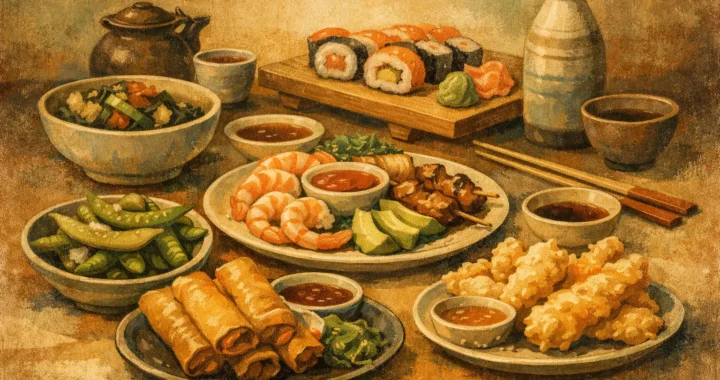
If your group is mixed, with some people ordering sushi and others choosing noodles, bowls, or other Asian comfort food, the best shared starters are usually edamame, gyoza, miso soup, and salad. They work across the table and do not box anyone into one style of meal.

Appetizers to avoid before sushi if you want the sushi to stand out

Not every appetizer is wrong before sushi, but some are harder to pair well.

Very sweet appetizers can throw off your palate before raw fish. Very spicy starters can overpower subtler sushi, especially white fish or simple nigiri. Large fried appetizers can fill you up before the main order arrives, and that gets expensive fast when sushi is still on the way.

Heavy noodle dishes are another one to watch. If you want ramen or udon, it often makes more sense to make that your meal rather than your pre-sushi starter. The same goes for big rice dishes. Sushi already includes rice, so adding another substantial rice course first can feel repetitive.

How to order appetizers before sushi for a table

For most tables, the easiest approach is to pick one light starter and one warm starter to share. That gives everyone some variety without overdoing it. For example, miso soup plus gyoza works well, or edamame plus seaweed salad if you want to keep things lighter.

If your group includes first-time sushi diners, start with familiar appetizers. Gyoza, edamame, and salad are easy entry points. Once people feel comfortable, they are more likely to branch out into nigiri, sashimi, or more traditional rolls.

If you are ordering takeout, this matters even more. Fried appetizers can cool off quickly, and very large starters can turn a sushi dinner into too much food. A simpler appetizer lineup usually travels better and keeps the meal balanced when you are eating at home.

At a casual neighborhood spot like O’Sae Colorado, where one table might be splitting rolls while someone else orders a bowl or noodle dish, flexible appetizers matter. The best starters are the ones that help everybody eat well, not the ones that steal the whole meal.

So what are the best appetizers before sushi?

If you want the shortest answer, start with miso soup, seaweed salad, edamame, gyoza, or shumai. Those are the most reliable choices because they support the meal instead of competing with it. After that, it depends on your order, your appetite, and whether sushi is the star or part of a bigger spread.

A quiet rule helps here: your appetizer should make you more ready for sushi, not less. If it leaves you full, dulls your palate, or turns the table toward heavier flavors too early, it is probably not the right first move. Start lighter than you think, and your sushi usually tastes better when it arrives.

How to Order Ramen Takeout Without Regret

How to Order Ramen Takeout Without Regret

Cold noodles, soggy toppings, broth that leaks into the bag – bad ramen takeout usually comes down to ordering the wrong way, not the ramen itself. If you have ever wondered how to order ramen takeout so it still tastes good by the time you get home, a few small choices make a big difference.

Ramen is one of those meals that can be excellent to-go or just okay, depending on timing, packaging, and what you add to it. The good news is that you do not need to be a ramen expert to get it right. You just need to know what holds up well, what changes during the drive home, and how to build an order that fits your appetite instead of turning into a too-big, too-messy dinner.

How to order ramen takeout and get a better bowl

The first decision is not toppings. It is distance and timing. Ramen is best when it is eaten fairly soon after pickup or delivery. Noodles continue to soften in hot broth, and crispy toppings stop being crispy the minute steam gets involved. If you are ordering from nearby and planning to eat right away, you can be a little more flexible. If you have a longer drive or you know dinner will sit on the counter for 20 minutes, order with that in mind.

That usually means keeping the bowl simple and paying attention to how the restaurant packs it. Many places separate broth from noodles and toppings, which helps a lot. If that option is available, take it. It gives you a better shot at noodles with some bite instead of a bowl that tastes overcooked before you even open the lid.

If you are picking up for a group, ramen can still work, but it helps to think beyond one category. A restaurant with sushi, rice bowls, udon, poke, appetizers, and ramen can make the order easier because not everyone has to commit to the same thing. That matters more than people expect. One person wants broth, one wants a rice bowl, one wants something beginner-friendly, and suddenly takeout becomes less of a negotiation.

Start with the broth, not the extras

When people overbuild a ramen order, it often starts here. They choose the richest broth, add every topping, throw in extra sauce, and expect it to travel like a salad. It usually does not.

A richer broth can be great, but it depends on what you want from takeout. Heavier broths tend to feel more filling and travel well in terms of flavor, but they can also become a little thicker as they sit. Lighter broths may feel cleaner and less heavy for lunch, but they can seem more delicate if the trip home takes longer. Neither is wrong. The better question is whether you want comfort-food ramen or a bowl that feels a little less intense.

If you are new to ramen, go with a version that sounds familiar instead of trying to impress yourself. A straightforward ramen with a balanced broth, sliced protein, noodles, and a few classic toppings is usually the safest takeout choice. You can always branch out next time.

What holds up best in takeout ramen

Some parts of the bowl travel better than others. Proteins like sliced pork or chicken usually hold up well. Soft-boiled eggs are still good after the ride home, even if the yolk sets a little more from the heat. Green onions, bamboo shoots, and corn are generally fine.

The items to think twice about are anything meant to stay crisp or delicate. Fried toppings can lose texture fast. Seaweed can go from pleasant to limp if it sits against hot broth too long. If you love those add-ons, it is worth seeing if they can be packed on the side.

Noodles are where takeout ramen wins or loses

If you really want to know how to order ramen takeout like someone who has learned from experience, focus on the noodles. Broth can still be tasty after a drive home. Toppings can be adjusted. But once noodles go too soft, there is no fixing them.

That is why separate packaging matters so much. If the restaurant offers broth and noodles in different containers, choose that option. If not, order for the shortest possible gap between pickup and eating. This is not being picky. It is just how ramen works.

Some people even prefer slightly firmer noodles for takeout because they know the noodles will continue absorbing liquid. If there is a way to request that, and you know you will not be eating immediately, it can help. Just do not overcomplicate the order with too many special instructions. Clear, simple requests are easier for any kitchen to get right during a busy service.

Delivery or pickup?

Pickup usually gives you more control. Your ramen spends less time in transit, and you can get it home while it is still in good shape. Delivery is convenient, especially on a busy night, but it adds more time and a few more chances for the bowl to shift, cool down, or soften.

If you are ordering ramen because you want the best version of it, pickup often wins. If convenience matters more and you are okay with a little trade-off in texture, delivery can still be worth it. It depends on the night.

Order sides that make sense with ramen

A common takeout mistake is treating ramen like it has to do everything. Sometimes the better move is ordering a reasonably sized ramen and adding one side instead of loading up the bowl itself.

An appetizer can round out the meal without changing the ramen. Gyoza, edamame, or a simple starter can make dinner feel complete. If you are ordering for more than one person, this works even better because sides give everyone something to share while the main dishes stay personal.

This is also where a broader menu helps. If someone in your group is not in the mood for broth, they should not have to settle. A place like O’Sae Colorado makes takeout easier for mixed groups because one order can cover ramen, sushi, bowls, and other comfort-food options without making it complicated.

Build your order around real appetite

Ramen is filling, especially once you add extras and sides. Before you tap every add-on, think about whether you want a quick lunch, a full dinner, or leftovers. There is no prize for creating the largest bowl possible.

If you want something comforting after a long day, a standard ramen plus one appetizer is often enough. If you are especially hungry, extra protein makes more sense than piling on random toppings. If you want leftovers, ramen is tricky because noodles continue to change texture, so a separate side dish may be a better next-day option than oversized ramen.

That is also true for families ordering together. Kids, first-time ramen eaters, and lighter appetites may be happier with simpler dishes or smaller add-ons. The easiest takeout order is the one where each person gets something they actually want.

A few practical details people forget

Check the packaging before you leave if you are picking up. Make sure broth lids are secure, utensils are included if you need them, and any side-packed toppings are actually in the bag. This takes 10 seconds and saves a lot of frustration at home.

Once you get home, eat ramen first. Not after changing clothes, not after unloading groceries, not after one more episode. If you ordered it, treat it like the time-sensitive meal it is. Pour the broth, add the toppings, and eat while it still has some life in it.

If the broth and noodles are separated, assemble right before eating. If the bowl needs a quick reheat, warm the broth gently and then combine. Do not boil everything together unless you are fine with softer noodles.

The best way to order ramen takeout if you are new to it

Keep your first order simple. Choose a ramen with a broth and protein that sound familiar, avoid too many texture-sensitive extras, and pick it up if you can. Add one side if you want a fuller meal. That is usually enough to figure out what you like without turning dinner into a project.

From there, you can get more specific. Maybe next time you want extra egg, a richer broth, or a spicy version. Maybe you learn that delivery is fine for your schedule, or that pickup makes a noticeable difference. Good takeout is often less about ordering more and more about ordering smarter.

A well-ordered ramen takeout meal should feel easy, filling, and worth repeating. If you keep the timing tight and the order practical, your bowl has a much better chance of tasting like dinner instead of a compromise.

How to Find Great Ramen Takeout Near Me

How to Find Great Ramen Takeout Near Me

When the craving hits, searching for ramen takeout near me usually means you want something filling, fast, and worth the money. The hard part is that ramen can be one of the best takeout meals on the menu or one of the easiest to get wrong. A great bowl travels well when the restaurant packs it with care. A rushed bowl can show up soggy, lukewarm, or missing the extras that make it feel complete.

That is why it helps to know what separates a solid takeout ramen order from a disappointing one. If you are ordering lunch between meetings, grabbing dinner for the family, or adding a bowl to a mixed order of sushi, poke, or appetizers, a few practical checks can make a big difference.

What to Look for in Ramen Takeout Near Me

The first thing to pay attention to is how the ramen is packed. Good takeout ramen is usually separated in a way that protects texture. Broth, noodles, and toppings may come packed apart or arranged so the noodles do not sit too long before you eat. That extra step matters. It keeps the noodles from getting overly soft and helps toppings like green onion, egg, or protein stay closer to their best condition.

The broth is the real test. If the broth tastes flat in the restaurant, takeout will not improve it. You want a broth with enough depth and seasoning to still feel satisfying after a drive home. Rich broths tend to hold up well, but lighter broths can also work if they are balanced and not watery. Heat retention matters too, so reliable packaging is not just a nice detail. It is part of the meal.

Noodles are the second piece. Some ramen styles travel better than others because noodle thickness and cooking time affect texture after pickup or delivery. Firmer noodles tend to hold up better if you are not eating immediately. If you live a little farther from the restaurant, that is worth keeping in mind.

A Good Ramen Order Is About More Than the Bowl

Most people searching for ramen takeout are not ordering in a vacuum. They are feeding a household, a couple of coworkers, or a group with mixed tastes. That is where menu variety starts to matter just as much as the ramen itself.

A restaurant with a broader Japanese or Asian menu gives you more flexibility. Maybe one person wants ramen, another wants a rice bowl, and someone else would rather have sushi or udon. That kind of range makes ordering easier, especially on weeknights when nobody wants to negotiate around a single narrow menu.

This is one reason a neighborhood spot with several comfort-food categories often beats a place that only does one thing. The ramen still has to be good, but it also helps when the rest of the order can come together without forcing compromises.

Signs the Restaurant Understands Takeout

If you are trying to choose between a few local options, look at how the restaurant presents ordering. A clear online menu, easy-to-find contact info, and straightforward takeout process all tell you something about the experience. Places that handle a lot of takeout usually make it easy to identify categories, customize where needed, and place an order without confusion.

That practical side matters more than people think. Even great food can become a frustrating order if the menu is unclear, pickup timing is inconsistent, or items are hard to find. For ramen, timing especially counts. You do not want your bowl sitting too long before pickup.

A dependable local restaurant should feel predictable in a good way. You know where to order, what the menu includes, and how to get in and out without hassle. For busy professionals, students, and families, that reliability is often what turns a one-time order into a regular habit.

How to Judge Ramen Quality Before You Order

You cannot taste a bowl through a screen, but you can still make a smart call. Start by looking at the overall menu. If the restaurant offers soups, noodle dishes, rice bowls, sushi, and appetizers in a way that feels organized and intentional, that is usually a good sign. It suggests the kitchen is built to handle variety without chaos.

Then think about balance. A good ramen takeout order should feel like a full meal, not just broth and noodles. Protein, vegetables, egg, and extras all play a role. If the bowl sounds sparse, it may be underwhelming once it arrives. If it sounds overloaded, the trade-off may be that the textures suffer during transport. There is a sweet spot.

Photos and reviews can help, but practical clues matter too. Does the menu feel beginner-friendly? Are dishes described in a way that helps people choose confidently? Restaurants that serve both longtime fans and first-time diners often do a better job with takeout because they know not everyone wants to decode the menu.

When Ramen Takeout Near Me Is the Right Choice

Ramen is a strong takeout option when you want comfort food with more substance than a quick snack. It works well for cold days, late lunches, casual dinners, and nights when you want something warmer and more satisfying than a standard fast-food order. It also fits nicely into mixed orders because one bowl can stand on its own while still pairing well with appetizers or a side dish.

That said, there are trade-offs. If you plan to eat 30 to 45 minutes after pickup, ramen may not be the best choice unless the restaurant packs components separately. In that case, a rice bowl, udon, or poke order might hold better. The right call depends on distance, timing, and how quickly you plan to eat.

If your group wants different kinds of meals, ramen works best from a place that already serves a broad menu. In Colorado Springs, a restaurant like O’Sae Colorado makes that easier because the menu can cover ramen cravings while also giving other people sushi, poke, rice bowls, appetizers, and more approachable options if they are not ramen regulars.

What Makes a Local Spot Worth Reordering From

The best takeout places are not always the flashiest. They are the ones that consistently get the basics right. The broth is hot. The noodles are not blown out. The order is complete. Pickup is simple. The menu has enough range that you can come back next week and order something different.

That consistency is especially important for neighborhood restaurants. People are not just looking for a one-time meal. They want a dependable answer to lunch, dinner, and group takeout when everyone wants something a little different.

A service-driven restaurant earns repeat orders by reducing friction. You should be able to scan the menu, make a choice quickly, and feel confident that what arrives will match what you expected. When that happens, the search for ramen stops being random and starts becoming routine.

Best Times to Order Ramen for Takeout

Timing can affect the quality of your meal more than you might expect. If possible, order when you can pick it up promptly and eat it soon after. Ramen is at its best when the broth is still hot and the noodles have not spent too long steaming in the container.

Lunch can be a great time for takeout ramen if you are close by. Dinner works well too, but peak hours can sometimes mean more wait time. That does not always mean a worse experience, but if you are trying a place for the first time, an earlier order can be a safer bet.

If you know you will be delayed, think about choosing sides or alternate mains that travel more easily. A good menu gives you that flexibility instead of forcing one option.

The Smart Way to Search and Order

The best search result is not always the best meal. When you look up ramen takeout near me, focus on restaurants that make ordering simple, show clear menu categories, and offer enough variety to fit real-life group orders. Ramen should taste like comfort, not a gamble.

A little attention to packaging, timing, broth quality, and menu range goes a long way. And once you find a local place that gets those details right, dinner gets a whole lot easier.

Poke Bowl Protein Choices That Actually Fit

Poke Bowl Protein Choices That Actually Fit

Some poke bowls look great on paper and still miss the mark once you start eating. Usually, the problem is not the rice, sauce, or toppings. It is the protein. When people think about poke bowl protein choices, they are really deciding how the whole bowl will eat – light or filling, rich or clean, familiar or a little more adventurous.

That matters whether you order poke all the time or you are trying it for the first time. A good protein choice can make the bowl feel balanced and easy to finish. The wrong one can leave it too heavy, too bland, or fighting with everything else you picked.

How to think about poke bowl protein choices

The easiest way to choose is to stop asking which protein is best and start asking what kind of bowl you want. Some proteins carry bold sauces well. Others are better when the toppings do more of the work. Some feel substantial enough for dinner, while others make more sense for a quick lunch.

Texture is a big part of it. Poke is not just about flavor. It is about how soft fish, crisp vegetables, creamy sauces, and chewy rice all come together in one bite. If your protein is too delicate, it can disappear under strong toppings. If it is too rich, the whole bowl can feel one-note.

For most people, the best choice sits somewhere between comfort and contrast. You want a protein that feels good with the ingredients you already know you like, but still gives the bowl some character.

Tuna is clean, classic, and easy to build around

Tuna is one of the most dependable poke proteins for a reason. It has a clean taste, a tender bite, and enough flavor to stand on its own without taking over the bowl. If you want something traditional-feeling or you are not sure where to start, tuna is usually a safe call.

It works especially well with soy-based sauces, scallions, cucumber, seaweed salad, and sesame. Those flavors support it without covering it up. If you like a bowl that feels fresh rather than heavy, tuna tends to keep things in that lane.

There is a trade-off, though. Because the flavor is relatively mild, tuna can get lost if you pile on too many big toppings or very sweet sauces. If you want crunchy onions, spicy mayo, mango, edamame, and extra sauce all in the same bowl, you may not taste the tuna as much as you expect.

Salmon brings more richness

If tuna feels lean and clean, salmon feels softer and fuller. It has more natural richness, which makes it a strong option for people who want their bowl to feel satisfying even with a lighter topping mix.

Salmon pairs well with creamy, spicy, and slightly sweet flavors. Avocado, spicy mayo, eel sauce, and cucumber all make sense here. If you like a bowl that tastes a little more indulgent, salmon usually gets you there faster than tuna.

The thing to watch is balance. Rich protein plus rich sauce plus avocado can tip into too much of the same texture. A better move is to add something crisp or sharp, like radish, green onion, or pickled vegetables, so the bowl still feels lively.

Shrimp is familiar and lighter than people expect

Shrimp is a good middle ground for customers who want seafood but are hesitant about raw fish. It has a familiar taste, a firmer bite, and a lighter overall feel than salmon. That makes it especially practical for lunch or for a bowl with a lot of toppings already planned.

Because shrimp has a mild sweetness, it works well with citrusy sauces, crunchy vegetables, and toppings that add freshness. Think cucumber, carrots, greens, or a little fruit if that is your style. It also handles spice well because the flavor is steady enough not to disappear.

Compared with tuna or salmon, shrimp can feel a little less luxurious in a poke bowl. That is not necessarily a negative. Sometimes a straightforward protein is exactly what makes the bowl easier to enjoy.

Tofu is not just the backup option

A lot of people treat tofu like the protein you choose only when you are skipping seafood. That undersells it. In a poke bowl, tofu can be a smart choice on its own, especially if you like strong toppings and bold sauces.

Tofu absorbs flavor well, which means it can carry soy, sesame, spicy, or garlic-forward combinations nicely. It also gives the bowl a softer, calmer base, which is useful if you are mixing in crunchy vegetables, seaweed salad, onions, and multiple sauces.

Its biggest strength is flexibility. Its biggest weakness is the same thing. If the rest of the bowl is under-seasoned, tofu will not rescue it. You need enough flavor around it to keep the bowl interesting. For customers who like to customize heavily, that is usually not a problem.

Mixed proteins can work, but only if the bowl stays focused

Choosing two proteins sounds like the obvious upgrade, and sometimes it is. Tuna and salmon together can give you contrast between lean and rich. Shrimp with a fish option can make the bowl feel more varied. If you want more texture in each bite, mixing proteins can help.

But more is not always better. When the proteins have very different textures or when the toppings are already busy, the bowl can start to feel scattered. Instead of tasting layered, it tastes random.

A good rule is to mix proteins only when the rest of the bowl stays simple. If you are going with two proteins, it helps to be restrained with sauces and toppings so each one still has room to show up.

Match the protein to the meal

Lunch bowls and dinner bowls often call for different choices. If you are ordering something quick in the middle of the day, tuna, shrimp, or tofu can keep the meal from feeling too heavy. You still get flavor and protein without the nap-after-lunch effect.

For dinner, people often want something more filling, and salmon tends to make sense there. It has a richer mouthfeel and holds up well in a bigger bowl. Mixed proteins can also work better at dinner, especially if you are hungry and want a little variety.

If you are ordering for a group, think about comfort level too. Not everyone at the table is looking for the same experience. One person may want a traditional fish-forward bowl, while someone else wants a more familiar or beginner-friendly option. That is where a place with broad menu variety, like O’Sae Colorado, can make ordering easier because people do not have to force one style of meal.

Sauce and toppings should support the protein

A lot of disappointing poke bowls are built backward. People choose toppings first, then add a protein almost as an afterthought. It works better the other way around.

If you pick tuna, keep the bowl clean and bright. If you pick salmon, use toppings that cut the richness. If you pick shrimp, lean into crunch and freshness. If you pick tofu, make sure the sauces and toppings bring enough character.

This does not mean you need to keep the bowl plain. It just means every choice should have a job. Creamy toppings can soften heat. Crisp vegetables can break up rich textures. Salty sauces can wake up milder proteins. Once you think in those terms, the bowl gets easier to build.

What beginners should order first

If you are new to poke, start with the protein that matches your comfort level, not the one you think you are supposed to order. Tuna is a good first choice if you want a classic poke experience without too much richness. Salmon works well if you already know you like buttery, fuller seafood flavors. Shrimp is often the easiest starting point for someone who wants a familiar seafood option. Tofu is a solid choice if you like customizing and want the toppings to lead.

The best first bowl is usually not the most complicated one. Pick one protein, one sauce direction, and a few toppings that make sense together. Once you know what you like, you can get more creative on the next order.

The best poke bowl protein choices depend on the bowl you want

That is really the whole point. The best poke bowl protein choices are not about ranking tuna over salmon or shrimp over tofu. They depend on whether you want something rich, light, classic, filling, simple, or customizable.

When the protein matches the rest of the bowl, everything else falls into place faster. You spend less time guessing and more time ordering something you will actually want again. A good poke bowl should feel easy to eat, balanced from the first bite to the last, and worth repeating when the craving comes back.