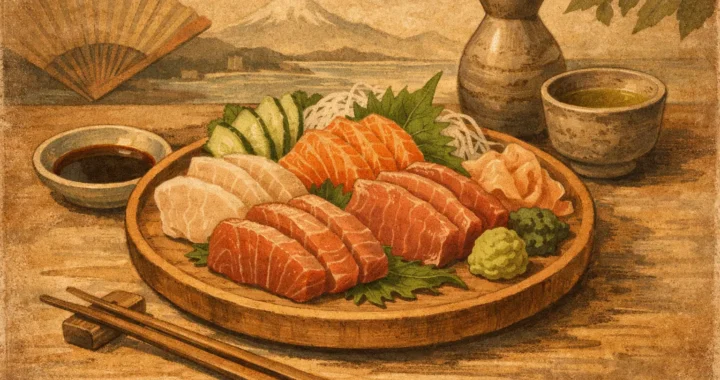
Ordering a sashimi platter for beginners can feel a little high-stakes the first time. There is no crispy coating, no sauce-heavy cover, and no rice to make it feel familiar. It is just sliced fish, served simply, which is exactly why many first-timers hesitate. The good news is that sashimi does not require expert knowledge. You only need a basic sense of what you like, what to expect, and how to pace yourself.
Sashimi is one of the most direct ways to taste seafood. That can sound intimidating, but it is also what makes it approachable when the platter is chosen well. A good beginner platter is not about showing off the rarest fish in the case. It is about balance, comfort, and a few easy wins that help you notice texture and flavor without feeling like you are taking a test.
What sashimi actually is
Sashimi is thinly sliced raw fish or seafood served without rice. That is the main difference between sashimi and sushi, which often includes vinegared rice. If you have had nigiri before, you are already close to the sashimi experience. Remove the rice, and the fish becomes the full focus.
That simplicity changes how people experience the meal. With sashimi, texture matters more. Temperature matters more. Even the order you eat each piece can make a difference. None of that means you need rules for every bite. It just means the fish has less to hide behind, so a well-built platter should start with milder, friendlier options.
How to choose a sashimi platter for beginners
A beginner-friendly platter should feel varied but not random. You want enough contrast to keep things interesting, but not so much that one bold piece makes the rest harder to appreciate.
Start with fish that are known for clean, mild flavor. Salmon is usually the easiest entry point because it is buttery, soft, and familiar to people who already like cooked salmon. Tuna is another common starting point, especially if it is a leaner cut with a clean finish rather than a rich, fatty one. Yellowtail often works well too. It has more richness than lean tuna but is still smooth and accessible.
White fish can be a good addition, but it depends on the person. Some beginners love the lighter, delicate taste. Others find it harder to read because it is subtle. If you are building confidence, it helps to have at least one richer fish and one milder fish on the plate so you can compare them side by side.
A good first platter usually avoids going too far into strong briny flavors, chewy textures, or highly specialized cuts. That means octopus, surf clam, or strongly oceanic selections may be better as a second or third visit choice. They are not bad picks. They are just not always the most welcoming place to begin.
What each common fish tastes like
If the menu lists several sashimi options and you are not sure what to order, it helps to think in plain terms.
Salmon is rich, soft, and slightly buttery. It is often the safest pick for someone new to raw fish.
Tuna can vary. Lean tuna is clean and meaty, almost steak-like in structure. Fatty tuna is softer and richer, but that is not always the cut served on a basic platter.
Yellowtail is smooth, mild, and lightly sweet. Many people who want something a little more flavorful than tuna end up liking yellowtail.
Snapper or other white fish tends to be delicate, lean, and subtle. These pieces can be refreshing, especially between richer bites.
Scallop, when offered as sashimi, is sweet and tender with a softer texture. Some beginners love it right away. Others prefer fish first because shellfish can feel different on the palate.
The main thing is this: mild does not mean boring, and rich does not always mean better. A balanced platter lets you figure out your preference without committing to one style.
How to eat sashimi without overthinking it
There is a lot of unnecessary pressure around eating Japanese food the “right” way. For a casual meal, the best approach is simple. Start with the lighter pieces and move toward the richer ones. That helps your palate notice the differences more clearly.
Use soy sauce lightly. A common beginner move is soaking each piece until it all tastes like salt. A quick dip is enough. If there is wasabi, start small. A little can brighten the fish, but too much will erase the flavor you are trying to notice.
Pickled ginger is useful as a reset between bites, not as a topping for every piece. If you like it, great. If you do not, you can leave it alone. There is no prize for using every garnish.
You also do not need chopstick skills to enjoy sashimi. If you are more comfortable asking for a fork, that is completely fine in a casual restaurant setting. The point is to enjoy your meal, not to perform expertise.
What beginners usually get wrong
The biggest mistake is ordering based on what sounds adventurous instead of what sounds appealing. If you already know you like richer seafood, start there. If you prefer lighter flavors, choose a platter with more tuna or white fish. There is no reason to force yourself into the most unfamiliar option on day one.
Another common mistake is treating sashimi like a race. Because the portions are small, people sometimes eat too quickly and miss the texture altogether. Take a second with each bite. Notice whether the fish feels silky, firm, buttery, or clean. That is where most of the enjoyment comes from.
Temperature can also surprise people. Sashimi should be cool, but not icy. If it tastes muted, the fish may be too cold for its flavor to come through right away. Waiting a minute between bites can actually help.
Then there is the expectation problem. Some people assume every piece should taste intense. Sashimi is often subtle. The appeal is not always boldness. Sometimes it is the clean finish, the soft texture, or the contrast between two neighboring cuts on the platter.
When a sashimi platter makes sense and when it might not
A sashimi platter is a great choice if you want to learn what different fish actually taste like. It is also a smart order when you already enjoy seafood and want a cleaner, lighter meal.
That said, it may not be the best first step for everyone. If raw texture is the main concern, nigiri can be an easier entry because the rice adds familiarity. If you are hungry and want something more filling, pairing sashimi with a roll, soup, or rice dish can make the meal feel more comfortable. There is no rule that says your first sashimi experience has to be all sashimi, all at once.
For groups, a mixed order often works best. One person can try a few pieces from the platter while still having a roll or noodle dish to fall back on. That makes the experience lower pressure, which is usually when people end up enjoying it more.
A simple way to order your first platter
If you are not sure what to ask for, keep it practical. Say you are new to sashimi and want a mix of mild, beginner-friendly fish. That gives the restaurant a clear direction. Most places that regularly serve both sushi fans and first-timers know how to build a plate that feels balanced instead of challenging.
At a casual spot like O’Sae Colorado, that kind of order fits the menu style well. The goal is not to turn dinner into a lesson. It is to help you find a few pieces you would happily order again.
If you end up loving salmon but not white fish, that is useful. If tuna feels too lean and yellowtail is your favorite, that is useful too. A first platter is less about having a perfect experience and more about narrowing down what suits your taste.
The best mindset for a first sashimi experience
Think of sashimi as a tasting, not a test. You do not need a trained palate or a long list of fish names memorized. You just need enough curiosity to try one bite at a time.
Some people become instant fans because they love the clean flavor and soft texture right away. Others need a couple of tries before it clicks. Both reactions are normal. A sashimi platter for beginners should make the experience easier, not more formal.
If you start with a balanced selection, use the condiments lightly, and give yourself room to have preferences, sashimi stops feeling intimidating pretty fast. The first good platter usually does the same thing any good meal should do – make you want to come back and order a little smarter next time.