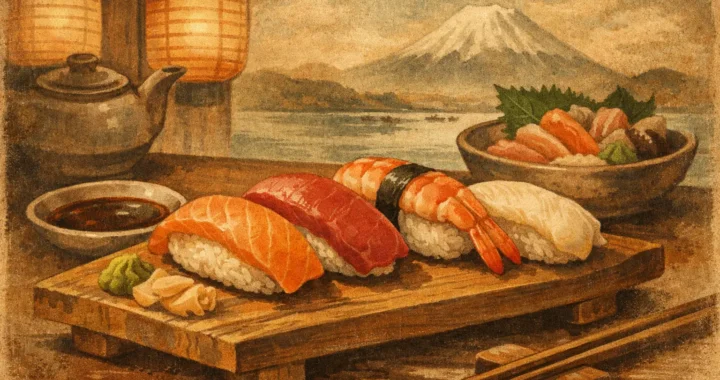
Beginner Friendly Sushi Options to Try First

Beginner Friendly Sushi Options to Try First

If you have ever stared at a sushi menu and felt like everyone else got the joke before you did, you are not alone. The good news is that beginner friendly sushi options are easy to find once you know what to look for, and your first order does not need to be adventurous to be good.

A lot of new sushi diners assume they need to start with raw fish and strong flavors to have the “real” experience. That is usually what makes sushi feel intimidating. In practice, the best first step is simpler – choose familiar textures, mild ingredients, and rolls that feel close to foods you already like.

What makes sushi beginner friendly

For most people, beginner friendly sushi options have three things in common. They use cooked or mild proteins, avoid overly fishy flavor, and keep the texture approachable. That usually means rolls with shrimp tempura, crab mix, cucumber, avocado, or cooked eel rather than sashimi-heavy orders right away.

Temperature matters too. Warm, crispy fillings tend to feel easier than cold, delicate slices of raw fish. A crunchy roll with a cooked center is often a smoother starting point than a plate of nigiri, even if both are excellent in their own way.

There is also the sauce factor. Some beginners like a little spicy mayo or eel sauce because it adds familiar richness. Others do better with cleaner flavors so the roll does not feel too busy. It depends on your taste and how comfortable you are with new ingredients.

Beginner friendly sushi options that usually work

The easiest starting point for many people is a California roll. It is mild, slightly creamy, and easy to eat. With imitation crab, avocado, and cucumber, it feels familiar enough that first-time diners can focus on the rice and seaweed without also adjusting to stronger seafood flavor.

A shrimp tempura roll is another safe first pick. The shrimp is cooked, the texture is crisp, and the overall bite feels hearty. If you like fried shrimp or seafood appetizers, this usually lands well because it gives you sushi form with a comfort-food center.

Cooked salmon or baked salmon rolls can also be a good bridge. Salmon has a richer flavor than crab, but when it is cooked, it tends to feel more approachable than raw tuna or yellowtail. It is a good option for someone who wants seafood flavor without jumping straight into sashimi.

Cucumber and avocado rolls are often overlooked, but they are useful if you are unsure about seafood altogether. They let you get used to sushi rice, nori, and the bite-size format without worrying about fish. These are especially good if you want something light alongside a bowl of ramen, udon, or a rice bowl.

Eel rolls can surprise beginners in a good way. Cooked eel is soft, slightly sweet, and usually paired with eel sauce, which gives it a savory-sweet flavor many people already like. The texture is different, so it is not everyone’s first choice, but for diners who enjoy barbecue-style sweetness, it can be an easy win.

Rolls are usually easier than nigiri or sashimi

If you are new to sushi, rolls are usually the most comfortable starting place. Maki rolls combine several ingredients in one bite, so no single flavor takes over. Rice, sauce, vegetables, and protein all work together, which makes the experience feel balanced.

Nigiri is a little more direct. It is a slice of fish over rice, so there is less to soften the flavor or texture. That does not make it harder in a technical sense, but it can feel like a bigger leap if you are still figuring out what kinds of fish you enjoy.

Sashimi is the most straightforward of all – just sliced fish, no rice. For some diners, that simplicity is exactly the appeal. For beginners, though, it usually helps to wait until you know whether you like the texture and flavor of raw seafood on its own.

If raw fish makes you nervous, start cooked

There is nothing wrong with beginning with cooked sushi. In fact, that is the best move for many first-time customers. Cooked shrimp, crab mix, eel, tempura-style fillings, and baked seafood rolls all count as a real sushi experience.

People sometimes treat raw fish as the finish line, but it does not need to be. Plenty of regular sushi diners still prefer cooked rolls because they like the texture better or want something warmer and more filling. Order what sounds good, not what sounds impressive.

If you do want to work toward raw options, start with milder fish. Salmon is often a softer introduction than stronger, leaner fish. Tuna can be a good next step if you prefer cleaner flavor. Go one piece at a time rather than building your whole meal around something you are unsure about.

Sauces, crunch, and spice can help – or get in the way

One reason specialty rolls work well for beginners is that they soften the edges. Crunchy toppings, tempura bits, or a light drizzle of sauce can make sushi feel more familiar. That can be especially helpful if you like texture and want your first roll to feel substantial.

At the same time, too many extras can hide what you actually like. If every roll is loaded with spicy mayo, eel sauce, cream cheese, and fried onions, it becomes harder to tell whether you enjoy the fish, the rice, or just the toppings. A good middle ground is to order one simpler roll and one more dressed-up roll, then compare.

Spicy tuna sounds friendly because it is common, but it is not always the best first order. The spice can be pleasant, but the chopped texture and stronger seasoning are not for everyone. If you enjoy spicy foods, it may still work. If not, start milder.

How to order your first sushi meal without overthinking it

The easiest first order is usually two rolls with different styles. Pick one familiar, like a California roll, and one cooked option with a little more texture, like shrimp tempura. That gives you range without turning the meal into a guessing game.

If you are dining with other people, sharing helps. You can try a few pieces of different rolls without committing to a full plate of one thing. This works well for groups where one person wants sushi, another wants noodles, and someone else wants a rice bowl or appetizer. A menu with variety makes that easier, which is one reason local spots like O’Sae Colorado work well for mixed groups.

It also helps to say you are new to sushi when you order. That is practical, not awkward. Staff can usually point you toward mild rolls, cooked options, and house favorites that fit your comfort level.

Common beginner mistakes

The biggest mistake is ordering based on what sounds most authentic instead of what sounds most appealing. If you hate the idea of raw texture, do not force yourself into sashimi first. If seaweed is what throws you off, try a soy paper roll if it is available.

Another mistake is adding too much soy sauce. A light dip is enough for most rolls. Too much can make everything taste salty and flatten the differences between ingredients.

Wasabi is similar. Use a little if you want the heat, but do not feel like it has to be part of every bite. Ginger is there to refresh your palate between pieces, not pile on top of the sushi.

The best beginner friendly sushi options depend on your taste

There is no single correct starting point. If you like fried foods, tempura rolls make sense. If you prefer cool and simple flavors, California rolls or cucumber rolls may be better. If you enjoy rich, savory bites, cooked eel or baked salmon can be a strong first pick.

That is the useful way to approach beginner friendly sushi options – not as a fixed list, but as a match between sushi styles and foods you already enjoy. Once you stop treating sushi like a test, it gets much easier to order well.

Start with one or two things that sound comfortable, leave room to try something new next time, and give yourself permission to have preferences right away. The best first sushi order is the one that makes you want a second one.

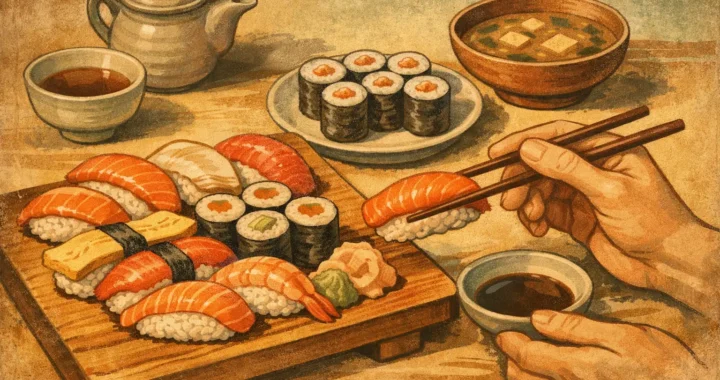
How to Order Sushi First Time and Feel Sure

How to Order Sushi First Time and Feel Sure

Staring at a sushi menu for the first time can feel like taking a pop quiz you did not study for. If you are wondering how to order sushi first time without slowing down the table or ending up with something too raw, too spicy, or too unfamiliar, the good news is that it is easier than it looks.

Sushi menus can seem packed with terms you may not use every day, but most first-time orders come down to a few simple choices. Once you know the difference between a roll, nigiri, and sashimi, and once you know what flavors you actually like, ordering gets much more comfortable.

How to order sushi first time without overthinking it

The easiest way to start is to order for familiarity, not for bragging rights. You do not need to begin with the most traditional or adventurous item on the menu. If you already know you like crab, shrimp, avocado, cucumber, rice, or cooked seafood, start there.

For most beginners, rolls are the best first step. They are usually the most approachable because they combine rice, seaweed, and fillings in bite-sized pieces. Many rolls also include cooked ingredients or mild flavors, which can feel less intimidating than starting with fully raw fish.

Nigiri is another good option if you want to try something classic without committing to a full raw plate. Nigiri is a small mound of rice with a slice of fish or seafood on top. Sashimi is just sliced fish without rice. That makes sashimi great for people who already know they enjoy the texture and flavor of raw fish, but it is not always the easiest place to begin.

If you are feeling unsure, a simple mix works well. Order one familiar roll and one small item outside your comfort zone. That gives you a safe option and a chance to try something new without making the whole meal a gamble.

Start with the beginner-friendly sushi choices

A lot of first-time diners do best with cooked or mild sushi. Shrimp tempura rolls are popular because they are crispy, warm, and easy to like. California rolls are another classic starting point, usually made with imitation crab, avocado, and cucumber. They are mild, slightly sweet, and not too fish-forward.

If you like smoked flavors, a roll with smoked salmon can be a good bridge into sushi. If you prefer simple texture, cucumber or avocado rolls are easy and clean. Some menus also separate out beginner-friendly options, which can save time if you do not want to decode every item.

There is no rule that says your first sushi order has to include raw fish. A lot of people start with cooked rolls, then move to nigiri later. That is a smart way to do it. Sushi is supposed to be enjoyable, not a test.

Know what the common menu words mean

A little menu language goes a long way. Maki usually means a rolled sushi cut into pieces. Nigiri is fish over rice. Sashimi is sliced fish alone. Hand rolls are cone-shaped and usually eaten with your hands. Tempura means battered and fried, which gives a roll crunch and warmth.

You may also see words like tuna, salmon, yellowtail, eel, octopus, or crab listed by themselves or inside specialty rolls. Spicy usually means a creamy chili-based sauce, not necessarily extreme heat. Crunchy often refers to tempura flakes or fried toppings. If a roll says baked, seared, or tempura, it is often a solid choice for someone easing into sushi.

One thing to watch for is sauce-heavy specialty rolls. They can taste great, but they can also hide the simpler flavor of the fish and rice. For a first order, that can be either helpful or too much, depending on what you like. If you already enjoy bold sauces, go for it. If you want to understand what sushi tastes like on its own, keep at least one item simple.

A simple first order that works for most people

If you want the easiest answer to how to order sushi first time, build a meal with balance. Get one familiar roll, one classic piece, and one comfort-food side.

That might mean a California roll or shrimp tempura roll, plus two pieces of salmon nigiri, plus miso soup or edamame. This kind of order gives you variety without making the meal complicated. You can try a roll, taste a more traditional sushi format, and have something warm on the side.

If raw fish still feels like a big jump, skip the nigiri and add another cooked roll instead. If you are dining with someone else, sharing is even better because you can sample a few different items without committing to a full plate of each.

For groups with mixed preferences, sushi places are often easier than people expect. One person can order rolls, another can get ramen or a rice bowl, and everyone still eats together without a lot of negotiation.

What to do with soy sauce, wasabi, and ginger

This part trips up a lot of first-time diners, mostly because people worry there is a right and wrong way to do everything. There are traditions, yes, but in a casual neighborhood restaurant, the main goal is still to enjoy your meal.

Soy sauce is for dipping, but a little goes a long way. If you soak sushi in it, the rice can fall apart and the flavor gets salty fast. Start light. Wasabi is spicy and sharp, so treat it like a condiment, not a side dish. Try a tiny amount first.

Pickled ginger is usually meant as a palate cleanser between bites, especially between different kinds of sushi. It is not typically piled on top like a topping. That said, if you like it that way, nobody is going to take your chopsticks away.

If chopsticks feel stressful, ask for a fork. If a hand roll seems easier to eat by hand, that is normal. If you need to ask what is cooked and what is raw, ask. Good service means making the menu easier to enjoy.

How to order sushi first time if you do not like raw fish

This is one of the most common concerns, and it has a very easy fix. You can absolutely enjoy sushi without ordering raw fish. Look for cooked shrimp, tempura shrimp, eel, crab-based rolls, vegetable rolls, or baked rolls.

You can also step sideways into similar menu categories if you want the flavors of a Japanese or Asian meal without starting with sushi at all. Miso soup, gyoza, rice bowls, poke, ramen, or udon can make the whole experience feel more comfortable. At O’Sae Colorado, that variety matters because people in one group do not always want the same thing, and beginners often like having a backup plan.

Sometimes the best first sushi meal is not all sushi. It might be a roll, soup, and an appetizer. That still counts, and it usually makes people more likely to come back and try more next time.

Ordering online vs ordering in person

If you are nervous, online ordering can be easier because you can read at your own pace. You can compare ingredients, check for words like cooked or tempura, and avoid the pressure of deciding on the spot. The trade-off is that you cannot ask immediate questions unless the menu descriptions are very clear.

Ordering in person gives you the chance to ask what is beginner-friendly or what tastes mild versus rich. That can be helpful if you are looking at two similar rolls and cannot tell the difference. If a menu has a lot of specialty items, a quick question can save you from ordering something much spicier or heavier than you wanted.

Neither option is better across the board. It depends on whether you want time to think or quick guidance.

The biggest mistake first-time sushi diners make

The most common mistake is ordering based on what sounds impressive instead of what sounds good. If you know you do not enjoy spicy foods, do not start with a spicy tuna roll just because it is common. If you are unsure about raw texture, do not force yourself into sashimi first.

The second mistake is ordering too much. Sushi can look light, but rolls, rice, sauces, and fried items add up. Start with a manageable amount. You can always add another roll if you are still hungry.

A better first experience usually comes from choosing a few items that sound comfortable, tasting them slowly, and noticing what you would order again. Maybe you learn that you love salmon but not tuna. Maybe you like crunchy rolls more than simple ones. That is useful. Your second order gets easier fast.

If you are new to sushi, keep it simple, ask questions when you need to, and order what actually sounds appealing. The best first sushi meal is the one that makes you want a second one.

What Sushi Should Beginners Order First?

What Sushi Should Beginners Order First?

The hardest part of trying sushi for the first time is usually not the taste – it is the menu. If you are wondering what sushi should beginners order, the best answer is simple: start with mild flavors, familiar textures, and rolls or nigiri that do not ask too much from your palate all at once.

A lot of first-time sushi eaters assume they need to order the most traditional item on the menu to do it “right.” You do not. A good first sushi order should feel comfortable enough to enjoy, not like a test. Cooked fillings, lighter fish, and straightforward rolls are usually the best place to begin.

What sushi should beginners order on a first visit?

For most beginners, the easiest first order is a cooked roll, a California roll, or a simple piece of nigiri with a mild fish. These options give you the basic sushi experience without throwing you straight into stronger flavors or unfamiliar textures.

A California roll is often the entry point for a reason. It is usually made with imitation crab, avocado, and cucumber, so the flavor is mild, slightly sweet, and easy to recognize. If you already like crab salad, avocado, or fresh cucumber, this roll tends to feel approachable from the first bite.

Cooked shrimp rolls are another safe pick. Shrimp has a firmer texture than raw fish, and that alone makes a big difference for many first-timers. Tempura shrimp rolls are especially beginner-friendly because the crispy coating adds warmth and crunch, which can make sushi feel more familiar.

If you want to try nigiri, start with shrimp, eel, or salmon before moving into stronger choices. Eel is cooked and usually brushed with a sweet sauce, so it often surprises people who thought sushi would taste fishy. Salmon is raw in most nigiri preparations, but it is buttery and mild compared with more intense fish.

Start with flavors that feel familiar

The easiest way to order confidently is to think less about sushi categories and more about foods you already enjoy. If you like avocado, cucumber, crab, shrimp, rice bowls, or crispy textures, there is probably a sushi option that lines up with that preference.

That is why beginner sushi does not have to be raw. Some people love sashimi on day one. Others need a gentler start. Both are normal. Ordering cooked rolls first does not mean you are missing the real experience. It just means you are easing into it in a way that makes sense.

Familiar flavor combinations also help if you are eating sushi as part of a group meal. If one person wants ramen, another wants a rice bowl, and someone else wants to test out sushi for the first time, starting with easy rolls makes the whole meal less stressful.

Best sushi choices for beginners

If you are looking at a menu and want the short version, these are usually the safest categories to start with.

California rolls

This is the classic beginner roll. It is mild, balanced, and not heavy on seafood flavor. The avocado softens the texture, while cucumber keeps it fresh.

Shrimp tempura rolls

If you like crunchy, warm, and filling foods, this is often the easiest first step. It feels less delicate than raw fish rolls and gives you a familiar fried texture.

Cooked crab or baked rolls

Cooked seafood rolls work well for people who are open to sushi rice and seaweed but not ready for raw fish. Baked rolls can be especially appealing if you want something richer and warmer.

Salmon nigiri

For anyone curious about raw fish but unsure where to begin, salmon is often the best first bite. It is soft, mild, and less sharp in flavor than some other fish.

Shrimp nigiri or eel nigiri

These are good options if texture is your main concern. Shrimp is cooked and straightforward. Eel is soft, sweet, and often easier to like than people expect.

What beginners may want to skip at first

Not every sushi item is a bad choice for beginners, but some are simply more challenging on a first visit. That does not mean never order them. It just means they may be better as a second or third step.

Tuna can vary a lot depending on the cut and preparation. Some tuna is mild, but leaner or more traditional preparations can feel more direct and meaty than salmon. Mackerel, octopus, sea urchin, and strong pickled items can also be a lot if you are still getting used to sushi rice and seaweed.

Large specialty rolls with multiple sauces are another maybe. They can look easier because they seem less traditional, but sometimes they are so busy that you cannot tell what you are tasting. For a first order, simpler is usually better. You want to learn what you like.

How to build a beginner-friendly sushi order

If you are still unsure what sushi should beginners order, a balanced first order usually works better than putting all your confidence into one item. Try one familiar roll, one cooked option, and one simple piece of nigiri. That gives you variety without going overboard.

A good example would be a California roll, a shrimp tempura roll, and one or two pieces of salmon or shrimp nigiri. You get to compare textures, see whether you like seaweed on the outside of a roll, and decide whether raw fish feels exciting or not for you.

Sharing helps too. If you are dining with other people, order a few approachable rolls for the table instead of everyone choosing one separate item. That way you can try several styles without committing to a full plate of something unfamiliar.

Sauces, soy sauce, and wasabi matter more than people think

A lot of beginners blame sushi when the real issue is the seasoning. Too much soy sauce can overwhelm a delicate roll. Too much wasabi can make the whole bite feel harsh. A little goes a long way.

If you are new, start with a light dip of soy sauce or even try the first bite plain. That lets you taste the rice, filling, and fish without covering everything up. Add ginger between bites if you want to reset your palate. You do not need to use every condiment at once.

This is also where trade-offs come in. Some people genuinely prefer sushi with sauce-heavy rolls because it feels more flavorful right away. Others like cleaner, simpler bites. Neither is wrong. The point of a first order is figuring out which direction fits you.

Rolls, nigiri, and sashimi: what is easiest for beginners?

Rolls are usually the easiest place to start because they combine several ingredients in one bite. Rice, filling, and sometimes sauce or crunch make them feel balanced and less intense. They are a good fit if you want something approachable and filling.

Nigiri is the next step for many people. It is a slice of fish or shrimp over rice, so there is nowhere for the flavor to hide. That sounds intimidating, but with mild options like salmon, shrimp, or eel, it can actually be a clean and easy introduction.

Sashimi is usually best once you already know you enjoy the texture of raw fish. Since there is no rice to soften the experience, the flavor and texture are more direct. Some beginners love it immediately. Most people prefer to work up to it.

If you do not like your first sushi order

That does not mean you do not like sushi. It may just mean you started with the wrong texture, the wrong fish, or too much sauce. Sushi has a wider range than many first-timers expect.

Someone who does not enjoy raw tuna might still love a shrimp tempura roll. Someone who is unsure about seaweed might prefer nigiri. Someone who does not want sushi at all that day may be happier with a bowl of ramen and a shared beginner roll on the side. At a casual spot like O’Sae Colorado, that flexibility matters because not everyone at the table has to be in the same mood.

The easiest way to get into sushi is to let yourself start small. Order what sounds good, not what sounds impressive. A mild roll, a cooked option, or one simple piece of nigiri is enough for a first try. If you enjoy that first bite, the rest gets a lot easier.

7 Best Beginner Sushi Rolls to Order First

7 Best Beginner Sushi Rolls to Order First

The first time you order sushi, the hardest part usually is not eating it. It is figuring out what will actually taste good to you. If you are looking for the best beginner sushi rolls, start with options that feel familiar – mild seafood, cooked ingredients, simple sauces, and textures that are easy to like on the first bite.

For most new sushi diners, the goal is not to prove anything. You want something approachable, filling, and not too far outside your comfort zone. That is why beginner-friendly rolls tend to work better than jumping straight into stronger raw fish or more traditional pieces with little else around them. A good starter roll gives you the balance of rice, seaweed, protein, and crunch without asking too much all at once.

What makes the best beginner sushi rolls

The best beginner sushi rolls usually have three things going for them. First, they lean on familiar flavors like crab, shrimp, avocado, cucumber, or tempura. Second, they avoid strong fishiness, which is often what nervous first-time sushi eaters are trying to avoid. Third, they have a texture people already understand – creamy, crispy, soft, or lightly sweet.

That does not mean every beginner should order the exact same thing. Some people are comfortable with raw salmon right away, while others would rather start with cooked shrimp or imitation crab. If you already like seafood, avocado, and rice bowls, you will probably adjust to sushi quickly. If you are unsure about seaweed or raw fish, choosing a roll with cooked ingredients is usually the easiest first step.

7 best beginner sushi rolls to try first

California roll

If there is one roll that consistently works for beginners, it is the California roll. It is mild, slightly sweet, and familiar enough that most people are comfortable with it right away. The usual combination of imitation crab, avocado, and cucumber keeps the flavor clean and easy.

This roll is a strong starting point because nothing in it is too intense. Avocado adds creaminess, cucumber brings freshness, and the crab gives just enough seafood flavor without being overpowering. For someone new to sushi, that balance matters.

Shrimp tempura roll

A shrimp tempura roll is often the easiest sell for anyone who likes fried food. The shrimp is cooked, the tempura batter adds crunch, and many versions include avocado or a light drizzle of sauce that makes the whole roll feel more like comfort food than a leap into the unknown.

This is one of the best beginner sushi rolls for people who say they are not sure about raw fish. It offers the sushi experience while keeping the flavor warm, crispy, and familiar. The trade-off is that it can be a little heavier than simpler rolls, so if you want something lighter, a California roll may fit better.

Philadelphia roll

A Philadelphia roll usually includes salmon, cream cheese, and cucumber, sometimes with avocado. For beginners, the cream cheese does a lot of work. It softens the overall flavor and gives the roll a rich, smooth texture that feels familiar if you already enjoy bagels with lox or other mild seafood dishes.

This one depends on your comfort level. If the salmon is raw, it is still a beginner-friendly way to try raw fish because the cream cheese tones everything down. If you are not ready for that yet, ask about cooked options or choose something else first and come back to it later.

Cucumber and avocado roll

Not every beginner wants fish in the first round. A cucumber and avocado roll is simple, clean, and a low-pressure way to get used to sushi rice, nori, and the overall format. It is especially good for vegetarians or for anyone who wants to understand the basics before adding seafood.

Because it is so simple, it can also tell you what you do and do not like. If you enjoy the rice, seaweed, and texture here, moving into crab, shrimp, or salmon rolls usually feels much easier after that.

Boston roll

A Boston roll often features cooked shrimp, cucumber, and avocado. It lands in a nice middle ground between very basic and slightly more seafood-forward. The cooked shrimp keeps things approachable, while the avocado and cucumber keep the bite cool and balanced.

For people who want a sushi roll that feels fresh but not too plain, this is a smart pick. It is less crunchy than tempura-based rolls and less rich than cream cheese rolls, so it works well if you prefer cleaner flavors.

Crunch roll

The name alone makes this one easier for many first-timers. A crunch roll usually includes tempura flakes and may have crab, shrimp, or other mild fillings. The crisp texture can make sushi feel more familiar, especially for someone who is unsure about softer textures.

This is a good example of why texture matters just as much as flavor. A lot of beginners think they are worried about raw fish, but what actually throws them off is the texture of seaweed or soft seafood. A crunch roll helps bridge that gap.

Salmon avocado roll

If you are ready to try a more straightforward sushi option, salmon avocado is a great next step. Salmon tends to be buttery and mild compared with stronger-tasting fish, and avocado keeps the roll smooth and easy to eat.

This is often where beginners realize they do like sushi, just not the idea they had in their head before trying it. If you want to move from cooked rolls toward more traditional choices, salmon avocado is a sensible place to start.

How to choose the right first roll for you

The best order depends on what you already like. If you want the safest possible option, go with California or cucumber avocado. If you prefer fried foods and want something heartier, shrimp tempura or a crunch roll makes more sense. If you are curious about raw fish but do not want anything too strong, salmon avocado or a Philadelphia roll is usually a comfortable entry point.

It also helps to think about your usual takeout habits. If you like poke bowls, grilled salmon, crab rangoon, or shrimp dishes, there is a good chance you will enjoy beginner sushi rolls with similar ingredients. If you tend to like simpler foods, avoid rolls loaded with too many sauces at first. Extra spicy mayo, eel sauce, and multiple toppings can be great, but they can also make it harder to tell what you actually enjoy.

Common mistakes first-time sushi diners make

One common mistake is ordering based on what looks impressive instead of what sounds appealing. Big specialty rolls with lots of toppings can be fun, but they are not always the best place to start. They can be messy, heavy, or packed with competing flavors.

Another mistake is assuming all sushi is raw. Plenty of rolls use cooked shrimp, tempura, crab, vegetables, or egg-based ingredients. If raw fish is the only thing holding you back, you still have a lot of good options.

Some beginners also skip asking questions because they do not want to seem inexperienced. That is never necessary. A good casual sushi spot expects those questions and should be able to point you toward easy first choices. At O’Sae Colorado, that kind of beginner-friendly approach matters because not every table wants the same thing, and a group might include both regular sushi eaters and someone ordering their first roll.

What to order with beginner sushi rolls

If you want the meal to feel even more comfortable, pair your roll with something familiar. Miso soup is light and easy. Edamame gives you a simple starter while you wait. If you are dining with people who are not fully sold on sushi, a restaurant that also serves ramen, rice bowls, or appetizers makes the decision easier for everyone.

That flexibility matters more than people think. Sometimes the best way to try sushi is not to make it your entire meal. Start with one roll, add a soup or noodle dish, and see what you like. You can always order more next time once you know your preferences.

Best beginner sushi rolls if you are ordering for a group

For mixed groups, variety works best. A California roll, a shrimp tempura roll, and one vegetable roll usually cover a lot of ground without making anyone feel stuck with something too adventurous. If the group includes one person who wants to branch out, add a salmon avocado roll so there is a mild raw option on the table.

Sharing also takes pressure off. You do not have to commit to eight pieces of one thing if you are not sure. Trying one or two pieces of a few different rolls is often the fastest way to find your favorite.

Sushi does not have to be complicated to be good. Start with a roll that sounds genuinely appealing, not one you think you are supposed to order, and your first experience will probably go a lot better.

Nigiri Sashimi Hosomaki Differences

Nigiri Sashimi Hosomaki Differences

Standing at a sushi menu and comparing nigiri sashimi hosomaki can feel simple until you actually have to order. One comes over rice, one comes without rice, and one is a slim roll – but those small differences change the whole meal. If you are deciding what to try for lunch, dinner, or takeout, knowing what each style offers makes ordering a lot easier.

For some guests, the question is about taste. For others, it is about portion, texture, or how filling the meal will be. If you are new to sushi, the names can blur together fast. If you already know what you like, it still helps to understand why one format works better than another depending on what you are in the mood for.

What nigiri, sashimi, and hosomaki actually mean

Nigiri is a hand-pressed piece of rice topped with fish or another ingredient. It is usually served in two pieces per order, and the balance matters. You are tasting both the topping and the seasoned sushi rice together, not just one or the other.

Sashimi is sliced raw fish served without rice. That makes it the most direct way to taste the fish itself. Texture, freshness, and cut become the whole point because there is no rice, seaweed, or sauce structure to soften or change the bite.

Hosomaki is a small, narrow sushi roll. It typically uses seaweed on the outside, rice inside, and one main filling in the center. Because it is compact and straightforward, hosomaki is often one of the easiest roll styles to understand and enjoy.

Nigiri sashimi hosomaki – how the experience changes

These three formats can use some of the same ingredients, but they do not eat the same way. Nigiri gives you a balanced bite. The rice adds body and mild sweetness, so the fish feels fuller and more rounded. That is one reason many people find nigiri satisfying without feeling too heavy.

Sashimi is cleaner and more focused. If you love tuna, salmon, yellowtail, or another fish and want the purest version of it, sashimi is usually the best choice. At the same time, it can feel less approachable for beginners because there is nothing else in the bite to cushion the texture.

Hosomaki sits in a different lane. It is tidy, familiar, and easy to share. The seaweed gives it structure, the rice softens the flavor, and the filling stays consistent from piece to piece. For guests who want something lighter than a specialty roll but a little more familiar than sashimi, hosomaki often lands right in the middle.

When nigiri makes the most sense

Nigiri is a good fit when you want sushi that feels traditional, balanced, and filling without going overboard. Because each piece combines fish and rice, it gives you a complete bite. That matters when you want something satisfying but still clean and simple.

It also works well for people who are learning what kinds of fish they enjoy. You can try salmon nigiri, tuna nigiri, or shrimp nigiri and get a clear sense of each topping without committing to a large portion. Compared with larger rolls, nigiri makes tasting easier and more focused.

The trade-off is that nigiri depends on balance. If you are in the mood for bold sauces, crunch, or several ingredients at once, it may feel too restrained. Nigiri is better when you want the ingredient itself to stay front and center.

Who usually likes nigiri

Nigiri often appeals to diners who want a traditional sushi experience but do not necessarily want a full sashimi order. It is also a smart middle ground for groups. One person can order nigiri, someone else can pick a roll, and the table still feels easy to share.

If you are ordering takeout, nigiri also travels fairly well, though it is best eaten sooner rather than later. The rice can change texture over time, so it is usually at its best when you plan to eat soon after pickup.

When sashimi is the better order

Sashimi is all about the fish. If quality, cut, and texture are what you care about most, this is the format that keeps everything direct. It is often the choice for guests who already know they love raw fish and do not need rice to round out the plate.

It can also be a practical option if you want a lighter meal. Since there is no rice, sashimi feels less filling in one sense, but it can still be very satisfying if what you want is clean protein and straightforward flavor.

That said, sashimi is not always the best starting point for beginners. Some people love it right away. Others prefer to start with nigiri or hosomaki because the rice and seaweed make the textures feel more familiar. There is no wrong choice here – it mostly depends on your comfort level.

A good pick for experienced sushi diners

If you already know the difference between salmon and tuna by texture alone, sashimi gives you the clearest comparison. It strips the experience down to the ingredient. That is exactly why some guests love it and why others save it for specific cravings rather than every sushi meal.

Why hosomaki is often the easiest place to start

Hosomaki is one of the most approachable sushi styles on the menu. The roll is small, the flavors are usually straightforward, and the bite is easy to manage. For beginners, that can make a big difference.

A simple cucumber roll, tuna roll, or salmon roll gives you a clear idea of what sushi can be without the extra layers that come with larger specialty rolls. It is also a practical choice for lunch, shared appetizers, or adding variety to a table without ordering too much of one thing.

Hosomaki also works well for diners who want sushi but not a heavy meal. Because the rolls are smaller and simpler, they can pair nicely with soup, salad, ramen, or another dish if your group has mixed cravings.

Nigiri sashimi hosomaki for beginners

If you are brand new to sushi, hosomaki is usually the easiest first step, and nigiri is often the next one. Hosomaki offers a familiar roll format and usually milder, less intimidating bites. Nigiri introduces you to the fish more directly while still keeping rice in the mix.

Sashimi is often better once you know you enjoy the texture of raw fish on its own. Some first-time diners do start with sashimi and love it, but for most people, a gradual approach feels more comfortable.

This is especially useful when ordering with family or coworkers. One person may want traditional sushi, another may want something simple, and someone else may still be deciding how adventurous they feel. Choosing across these formats helps everyone find their lane.

How to choose based on appetite and meal style

If you want the most complete single bite, nigiri is a strong choice. If you want the purest taste of fish, order sashimi. If you want something easy, compact, and beginner-friendly, hosomaki usually makes the most sense.

Appetite matters too. Nigiri and hosomaki include rice, so they tend to feel more meal-like on their own. Sashimi can be lighter, which is great for some lunches but may leave you wanting another dish alongside it.

There is also the question of pacing. Nigiri and sashimi encourage slower eating because each piece stands on its own. Hosomaki is often more casual and easy to share. That difference may not sound huge, but it changes how the meal feels at the table.

Ordering for a group without overthinking it

When a group wants different things, mixing formats is usually the smartest move. A few nigiri orders, one sashimi plate, and a couple hosomaki rolls create variety without making the table feel too complicated. You get contrast in texture, portion, and flavor, and everyone has something comfortable to reach for.

That is one reason these styles work so well in a casual setting like O’Sae Colorado. Some guests want a straightforward sushi lunch. Others want to test out a new favorite. Having nigiri, sashimi, and hosomaki on the same menu makes it easier to build a meal around the people you are actually dining with, not just around one style of sushi.

If you are still unsure, start with the version that sounds easiest to enjoy, not the one that feels most impressive to order. Good sushi does not require guesswork. It just helps to know what kind of bite you want before you ask for it.

Nigiri Sashimi Temaki Explained Simply

Nigiri Sashimi Temaki Explained Simply

Standing at a sushi menu and trying to sort out nigiri sashimi temaki is a lot more common than most people admit. One person wants something familiar, another wants the freshest raw fish option, and someone else just wants an easy handheld roll that does not feel intimidating. Knowing the difference makes ordering faster, easier, and a lot more enjoyable.

If you are new to sushi, these three terms matter because they describe completely different eating experiences. If you already know your way around a sushi bar, they still help you order more intentionally. Texture, portion size, rice level, and even how filling your meal feels can change a lot depending on whether you choose nigiri, sashimi, or temaki.

Nigiri sashimi temaki: what each one means

Nigiri is a small hand-pressed piece of sushi rice topped with fish or another protein. It is simple, compact, and usually served in pairs. The rice is part of the point here, not just a base. A good piece of nigiri balances the seasoning of the rice with the texture and flavor of the topping.

Sashimi is sliced raw fish, served without rice. It is the most direct way to taste the fish itself. Because there is no rice, no seaweed wrap, and usually very little added on top, sashimi tends to appeal to people who want a cleaner, more focused bite.

Temaki is a hand roll. It is made with seaweed wrapped into a cone shape and filled with rice, fish, vegetables, and sauces or toppings depending on the style. It is casual, easy to hold, and often one of the most beginner-friendly ways to eat sushi because the mix of textures feels familiar and less formal.

Those definitions sound simple, but the best choice depends on what kind of meal you want. Some people are looking for a light lunch. Others want something filling enough for dinner. Some care most about tasting the fish, while others want balance and variety in every bite.

How nigiri differs from sashimi

Nigiri and sashimi get mixed up all the time because both usually feature sliced fish. The key difference is rice. Nigiri includes seasoned sushi rice. Sashimi does not.

That one detail changes the whole experience. Nigiri feels more complete as a bite because the rice adds body and a mild tang from the vinegar seasoning. It also softens stronger flavors. If you are unsure about trying a richer fish, nigiri can be an easier starting point because the rice makes the flavor more approachable.

Sashimi is more direct. There is nothing between you and the fish. That can be a great thing if you love clean texture and subtle differences in flavor, but it can also feel like a bigger leap if you are new to raw seafood. For some guests, sashimi is the best option when they want a lighter meal or are avoiding rice. For others, it feels less satisfying on its own and works better as part of a larger order.

There is also a value question that depends on what you want. Nigiri gives you fish plus rice, so it can feel more filling for the portion. Sashimi gives you a purer seafood experience, which many sushi fans prefer, but it may not satisfy hunger in the same way unless you pair it with something else.

Where temaki fits in

Temaki sits in a different lane from both nigiri and sashimi. It is not about a precise, single bite like nigiri, and it is not as minimal as sashimi. It is a hand roll built for texture and contrast.

You get the crispness of seaweed, the softness of rice, and a mix of fillings in one cone. That combination makes temaki a strong choice for people who want something casual and more filling. It is also a practical option for customers who are interested in sushi but not ready to start with straight sashimi.

Because temaki often includes several ingredients, the flavor can be more rounded and familiar. Fish, cucumber, avocado, spicy mayo, and other add-ins create a bite that feels less intense than plain raw fish. That does not make it less authentic. It just makes it a different style with a different purpose.

Which one is best for beginners?

For many first-time sushi customers, temaki is the easiest entry point. The cone shape is approachable, the filling can include both raw and cooked ingredients, and the overall bite tends to feel less delicate than nigiri. It is easier to understand right away.

Nigiri usually comes next. If you want to start appreciating fish quality and traditional sushi structure, nigiri is a smart move. You are still getting the comfort of rice, but you can pay closer attention to the topping and how it pairs with the rice.

Sashimi is often the last step for beginners, not because it is harder in a technical sense, but because it asks you to focus almost entirely on the fish. If you already enjoy seafood and want the cleanest expression of it, sashimi can quickly become a favorite. If you are unsure, ordering just a small sashimi portion alongside something more familiar is usually the better move than making it your whole meal.

How to order nigiri sashimi temaki with confidence

The easiest way to order well is to think about appetite first, then comfort level. If you want something light and clean, sashimi makes sense. If you want balanced bites that feel traditional and satisfying, choose nigiri. If you want a more casual, filling option that is easy to enjoy, go with temaki.

It also helps to think about your group. In a mixed group, these categories can solve a lot of problems. One person can order sashimi for a lighter plate, another can choose nigiri for a more classic sushi experience, and someone newer to sushi can go for temaki without feeling left out. That kind of flexibility is one reason sushi works so well for lunch, dinner, and takeout.

If you are building a full meal, these styles pair differently with the rest of the menu. Sashimi goes well when you also want soup, a side, or another dish with more substance. Nigiri can stand on its own better for a moderate meal. Temaki can be satisfying enough to anchor a quick lunch, especially if you want something easy to eat without too much formality.

Common mistakes people make

A lot of confusion comes from assuming all sushi is basically the same. It is not. Rice changes flavor, texture, and fullness. Seaweed changes texture and portability. Removing both puts all the attention on the fish.

Another common mistake is ordering based only on what sounds most advanced. Sashimi is not automatically the best choice just because it sounds purer. If you are hungry and want something more substantial, nigiri or temaki may fit better. On the other hand, if you really want to taste the fish without distractions, a heavy sauce-filled roll may not be what you are after.

People also tend to overcommit on a first try. If you are curious about nigiri sashimi temaki, the smartest order is often a mix rather than a large portion of one item. That gives you a better sense of what you actually enjoy.

Choosing based on mood, not rules

There is no single right answer between these three. Some days you want the simplicity of nigiri. Other days you want the lighter feel of sashimi. And sometimes a hand roll is exactly right because it is quick, satisfying, and easy to eat.

That is especially true in a neighborhood restaurant setting where people are ordering for real life, not for a textbook sushi experience. Lunch breaks are short. Family orders need variety. One person may want ramen while another wants sushi. A place like O’Sae Colorado works well for that reason – you do not have to force everyone into the same lane to get a good meal.

The nice thing about understanding these terms is that the menu gets easier right away. You can stop guessing and start ordering based on what sounds good to you. If you want a practical rule, it is this: choose nigiri for balance, sashimi for purity, and temaki for ease. Once you know that, the rest of the menu feels a lot more welcoming.

Maki Roll Basics: What to Order First

Maki Roll Basics: What to Order First

If you have ever looked at a sushi menu and felt sure about ramen but less sure about sushi, a maki roll is usually the easiest place to start. It is familiar, easy to share, and simple to eat, which makes it a good fit for first-timers and regular sushi fans alike.

Maki is one of the most recognizable sushi styles in the U.S. You will often see it listed alongside nigiri and sashimi, but it serves a different purpose on the table. Nigiri highlights a slice of fish over rice. Sashimi skips the rice entirely. A maki roll brings several ingredients together in one bite, which can make it feel more approachable if you want a balance of flavor and texture rather than a single ingredient taking center stage.

What Is a Maki Roll?

A maki roll is sushi rice and fillings rolled in seaweed, then sliced into bite-size pieces. The outer layer is usually nori, the dark sheet of roasted seaweed that holds everything together. Inside, you might find seafood, vegetables, egg, or a mix of ingredients chosen for contrast and balance.

That balance is part of why maki is so popular. You get rice, texture, and flavor in a format that is neat, consistent, and easy to order for the table. For beginners, that can be less intimidating than choosing raw fish on its own. For experienced sushi diners, it offers room for variety, from simple cucumber rolls to more layered combinations with tuna, salmon, crab, avocado, or spicy sauces.

The word itself can cover a range of roll styles. Some are thin and minimal. Others are larger and built with more ingredients. On many restaurant menus, maki refers broadly to rolled sushi, even when there are small differences in style.

Why Maki Roll Is a Popular First Sushi Order

A lot of people try sushi for the first time through a roll, and that makes sense. A maki roll is portioned in a way that feels familiar. You can eat one piece at a time, share an order, and figure out what you like without committing to a single strong flavor.

It also works well for mixed groups. One person may want something simple like cucumber or avocado, while someone else wants a spicy tuna roll or a roll with multiple textures. That flexibility matters when you are ordering lunch with coworkers, dinner with family, or takeout for a group where not everyone likes the same things.

Another reason is texture. A good roll gives you soft rice, a slight bite from the nori, and a crisp or creamy filling. That combination can make sushi feel more accessible than people expect. If someone says they are curious about sushi but do not know where to begin, a maki roll is often the easiest answer.

Common Types of Maki Roll

Not every roll is built the same way, and the differences matter when you order. Hosomaki is a thinner roll with fewer ingredients, often just one main filling like tuna, cucumber, or pickled radish. It is clean, simple, and a good choice if you want something traditional.

Futomaki is thicker and usually includes several fillings. It can feel more substantial, especially if you are looking for something closer to a full meal rather than a side order. Then there are inside-out rolls, often called uramaki, where the rice is on the outside and the nori is inside. These are especially common in American sushi restaurants and often appeal to beginners because the seaweed flavor is less forward.

There is no single best style for everyone. If you want something light and straightforward, a thinner roll is usually the right call. If you want more texture and a bigger range of flavors in each bite, a larger roll may be the better choice.

How to Choose the Right Maki Roll

The easiest way to choose is to think about what you already like. If you enjoy fresh, clean flavors, look for rolls with cucumber, tuna, salmon, or avocado. If you prefer richer food, crab-based rolls, spicy mayo, eel sauce, or tempura-style ingredients may be more your speed.

It also helps to decide how adventurous you want to be. Some people are ready for raw fish right away. Others want cooked seafood or vegetable-forward rolls first. Neither approach is more correct. The best first order is the one you will actually enjoy.

For beginners, rolls with cooked shrimp, imitation crab, cucumber, avocado, or egg tend to feel familiar. If you already know you like sushi-grade fish, tuna and salmon rolls are natural next steps. Spice is another variable. A spicy roll can be fun, but if you are new to sushi, starting mild lets you notice the texture and ingredients more clearly.

A practical way to order is to mix one safe choice with one new choice. That gives you something dependable on the table and still leaves room to branch out.

Maki Roll vs. Nigiri and Sashimi

People often compare these three because they sit side by side on the menu, but they offer different experiences. A maki roll is about combination. Nigiri is about focus. Sashimi is about purity.

If you want a bite that blends rice, seaweed, and filling, maki is the better fit. If you want to taste one fish more directly, nigiri is a smarter order. If you want no rice and the cleanest possible fish flavor, sashimi is the choice.

That said, it does not have to be either-or. A lot of diners order a roll plus one or two pieces of nigiri. That is often the sweet spot if you want variety without overthinking it. You get the easy familiarity of a roll and the chance to try a more traditional sushi format at the same time.

What Makes a Good Maki Roll

A good roll should hold together without feeling packed too tightly. The rice should be seasoned but not overly sweet. The nori should taste fresh, not stale or chewy. Most of all, the ingredients should make sense together.

That sounds basic, but balance is the whole point. Too much rice can make a roll feel heavy. Too much sauce can bury the filling. An overloaded roll may look impressive but can be harder to eat and less satisfying bite to bite.

This is where menu design matters. A well-built sushi menu gives room to both simple rolls and more layered specialty rolls. Some guests want something classic and clean. Others want crunch, spice, and sauce. A good neighborhood spot should be able to do both without making the menu feel confusing.

Best Times to Order a Maki Roll

A maki roll works in more situations than people think. It is an easy lunch because it is filling without always feeling heavy. It fits dinner when you want to build a meal with appetizers, soup, or noodles. It also works well for takeout because rolls generally travel better than some delicate sushi formats.

For groups, rolls are especially practical. They are shareable, easy to portion, and usually broad enough in flavor to satisfy different preferences. If one person wants sushi and another wants a rice bowl, ramen, or an appetizer, a casual Asian restaurant with a wide menu can solve that problem without making anyone settle.

That is part of why maki continues to be a go-to order. It fits both the sushi fan who knows exactly what they want and the person who just wants something reliable and good.

Ordering Maki Roll With Confidence

The best approach is not to memorize sushi terms. It is to know your comfort level. If you like cooked seafood, start there. If you enjoy raw fish, go for a tuna or salmon roll. If you want something lighter, choose cucumber or avocado. If you want a fuller meal, pair your roll with soup, noodles, or a rice dish.

At O’Sae Colorado, that flexibility matters because not every table is ordering the same way. Some guests want sushi only. Others want a mix of sushi, ramen, poke, or appetizers. A maki roll fits easily into all of those plans, which makes it one of the most useful things on the menu.

If you are still unsure, keep it simple. Start with one roll that sounds familiar, pay attention to what you liked, and build from there. The next order gets easier, and that is usually how sushi becomes part of your regular rotation.

A maki roll does not ask you to be an expert. It just gives you a solid place to start and plenty of room to find your favorites.

Nigiri & Sashimi Selection Made Simple

Nigiri & Sashimi Selection Made Simple

Standing in front of a sushi menu with a solid nigiri & sashimi selection can feel easy if you know what you like – or oddly specific if you do not. One person wants something buttery, another wants clean and lean, and someone at the table may be trying raw fish for the first time. The good news is that choosing well usually comes down to texture, richness, and how adventurous you want to be.

For a casual lunch, dinner out, or takeout order, nigiri and sashimi are often the best way to taste the quality and range of a sushi menu. They are simple by design, which means each fish choice matters more. If you are new to sushi, that simplicity helps. If you already know your favorites, it lets you compare cuts and balance your order without overthinking it.

How to approach a nigiri & sashimi selection

Start with the difference. Nigiri is a slice of fish served over a small mound of seasoned rice. Sashimi is served without rice, so the fish is the full focus. If you are hungry and want a more filling meal, nigiri usually makes more sense. If you want a cleaner tasting experience or want to try several fish side by side, sashimi is often the better pick.

That choice also changes how flavors land. Rice softens and rounds out stronger flavors, which is one reason nigiri is beginner-friendly. Sashimi is more direct. You notice texture faster, and you notice quality faster too. Neither is better across the board. It depends on whether you want a complete bite or a more stripped-down tasting.

A practical way to order is to mix both. Choose a few nigiri pieces for comfort and balance, then add a sashimi item or combo if you want to compare fish more closely. That works especially well when one person at the table loves sushi and another is still figuring out what they like.

What to look for in a good nigiri & sashimi selection

Variety matters, but not just for the sake of having a long list. A good selection includes different flavor profiles and textures so you can build a meal instead of repeating the same bite six times. In most cases, you want a range that includes mild fish, richer fish, and at least one option with a firmer texture.

Mild choices are often the easiest place to start. Tuna and salmon are common first picks because they are familiar, balanced, and easy to enjoy. Salmon tends to be richer and softer. Tuna is usually cleaner and meatier. If you are ordering for someone who says they are “not sure about raw fish,” one of those two is usually the safest entry point.

Then there are the richer options. Fatty cuts have more body and a fuller mouthfeel. These can be the most memorable bites on the plate, but they can also feel heavy if every piece is rich. That is where balance matters. Pair one richer item with one clean item and one slightly sweet or briny item, and the whole order feels more complete.

Texture is the part many people overlook. Some fish are soft and almost creamy. Others are firmer and have more chew. Some shellfish have a gentle snap. If your meal includes only one texture, it can get monotonous even if the flavors are good. A stronger selection gives you contrast.

Freshness is obviously the baseline, but presentation tells you a lot too. Nigiri should look neat and proportionate, with fish that sits naturally over the rice instead of looking forced into place. Sashimi should be cut cleanly, not ragged or uneven. These details may sound small, but they affect how the fish feels when you eat it.

Best choices for beginners

If you are ordering for someone new to sushi, keep the first round simple. Salmon nigiri is often the easiest start because it is rich without being overwhelming. Tuna nigiri is another safe choice for people who prefer a leaner bite. If they like shrimp or cooked seafood more than raw fish, that can be a comfortable bridge before trying sashimi.

For sashimi, beginners usually do better with softer, familiar-tasting fish rather than stronger or more mineral-forward cuts. Thin slices can also feel less intimidating than thicker cuts, though some people actually prefer a thicker piece because the texture is easier to understand. It really does depend on the person.

One mistake beginners make is loading up on soy sauce and wasabi right away. A little is fine, but too much can flatten the differences between fish. If you are trying something for the first time, take one bite with minimal seasoning. After that, adjust. The point is to figure out what the fish tastes like, not just what soy sauce tastes like.

How experienced diners usually build a better order

People who eat sushi often tend to think in sequence, not just quantity. They might start with something clean and mild, move into a richer cut, then finish with something bright or firmer. That pacing helps each item stand out.

You can use the same approach without making it complicated. Start with tuna or a white fish, move to salmon or another richer option, then finish with something with a little snap or a more distinct flavor. If you order everything rich at once, the last few bites can blur together. If you order only lean fish, the meal can feel too restrained.

Another smart move is to consider what else is on the table. If your group is also ordering ramen, poke, appetizers, or rice bowls, a lighter sashimi order may make more sense than a full plate of nigiri. If sushi is the center of the meal, nigiri gives you more staying power. There is no perfect formula, just a better fit for the rest of your order.

Nigiri or sashimi for lunch, dinner, and takeout

For lunch, nigiri is often the easier pick because it is more filling and travels well as a complete item. It gives you rice and protein in one bite, which works when you need something satisfying without adding a lot of extras. Sashimi can be ideal at lunch too, especially if you want a lighter meal, but many people pair it with soup or another side.

For dinner, sashimi tends to shine when the meal is more relaxed. You have time to notice the cuts, compare flavors, and build a plate with a little more intention. Nigiri still works well, especially if you want a straightforward order that feels complete on its own.

Takeout changes things slightly. Nigiri generally holds its structure better over short travel times because the rice and fish arrive as a finished bite. Sashimi can still travel well, but the experience depends more on temperature and timing. If you are ordering for pickup and eating soon, either works. If dinner may sit for a bit before everyone gets home, nigiri can be the safer choice.

Simple ordering tips that actually help

If you are undecided, order for contrast instead of volume. A small mix with lean, rich, and mild choices usually beats a larger order of similar fish. You get a better sense of what you like, and the meal feels less repetitive.

It also helps to be honest about your comfort level. If you know you prefer familiar flavors, start there. If you like trying new things, add one or two less familiar options instead of making the whole order experimental. That keeps the meal enjoyable even if one item is not your favorite.

At a place like O’Sae Colorado, where groups often order across categories, your nigiri and sashimi choices do not have to do all the work. If one person wants sushi and another wants noodles or a bowl, that flexibility makes it easier to keep the sushi order focused and balanced rather than oversized.

A good sushi order is not about proving how adventurous you are. It is about choosing a few pieces you will actually enjoy, paying attention to texture and richness, and leaving room to try something new next time. If you keep it that simple, the right choice usually finds you.

Best Nigiri Sashimi: What to Order First

Best Nigiri Sashimi: What to Order First

If you are scanning a sushi menu and trying to decide on the best nigiri sashimi, the real question is usually simpler: what sounds good, what feels approachable, and what matches your comfort level with raw fish? For some guests, that means starting with salmon or tuna. For others, it means building a mix of familiar pieces and trying one or two new options without overthinking it.

Nigiri and sashimi often get grouped together, but they offer different experiences. Nigiri is a slice of fish served over seasoned rice. Sashimi is just the sliced fish, without rice. If you like a little balance and texture, nigiri is often the easier starting point. If you want to focus on the fish itself, sashimi gives you the cleanest version of that flavor.

Best nigiri sashimi starts with knowing the difference

A lot of first-time sushi customers are not actually nervous about sushi itself. They are nervous about ordering the wrong thing. That is why understanding the format matters.

Nigiri is usually the most approachable choice for people who want traditional sushi without going too far outside their comfort zone. The rice adds mild sweetness and body, which makes rich fish feel softer and lean fish feel more balanced. A good piece of nigiri is simple, but that simplicity is the whole point. You notice the texture of the fish, the temperature of the rice, and whether the bite feels clean and satisfying.

Sashimi is more direct. There is no rice to soften the flavor or fill out the bite. If you already know you enjoy raw fish, sashimi can be the better order because it lets you compare one fish against another more clearly. If you are newer to Japanese food, sashimi can still be a great choice, but it helps to start with fish known for a milder, buttery texture.

Neither one is better in every situation. It depends on whether you want a full meal, a tasting experience, or a mix of both.

What fish usually makes the best nigiri sashimi?

The best place to start is with fish that have broad appeal. Salmon is one of the easiest entry points because it is rich, smooth, and not overly briny. It works well as both nigiri and sashimi, and it tends to win over people who are still deciding how they feel about raw seafood.

Tuna is another strong choice, but it can vary more. Lean tuna has a cleaner, meatier bite. Fatty cuts feel softer and more luxurious. If you want something classic, tuna is hard to miss with. If you want something gentler, salmon may still be the safer first order.

Yellowtail is a favorite for people who want a little more flavor without jumping to something strong. It has a buttery texture and a slightly richer finish than lean tuna. In many cases, yellowtail is the piece that turns a curious first-timer into someone who starts ordering sushi regularly.

Shrimp is also worth mentioning for guests who want something familiar. It is usually cooked, which lowers the barrier for beginners, and it still gives you the nigiri format without committing to raw fish right away. Egg, or tamago, can serve a similar role on some menus. It is mild, slightly sweet, and easy to enjoy.

Then there are the fish and seafood that depend more on personal preference. Mackerel has a stronger flavor. Octopus is firmer. Eel is often cooked and sauced, which makes it a good bridge for people who like bold, savory bites but are not ready for sashimi. These are excellent options, but they are not always the first recommendation when someone asks where to begin.

Best first picks for beginners

If you want the shortest path to a solid order, start with salmon nigiri, tuna nigiri, yellowtail sashimi, or shrimp nigiri. That combination gives you variety in texture and flavor without getting too far into the deep end.

If you already know you like seafood, add one piece that is less familiar. That is usually the best way to find a new favorite without turning the whole meal into a gamble.

How to order nigiri and sashimi without making it complicated

A practical order usually comes down to appetite. If you want lunch and need something that feels complete, nigiri is often the better anchor because the rice makes it more filling. If you are sharing with someone or adding other dishes like ramen, appetizers, or poke, sashimi can make more sense because it lets you sample quality fish without getting full too quickly.

For one person, a balanced order might be four to six pieces of nigiri plus a small sashimi selection if you want comparison. If you are dining with someone who is less experienced, splitting a few types of nigiri can be smarter than ordering a large sashimi plate. It keeps the meal approachable and makes it easier to talk through what you like.

The biggest mistake is ordering only by what sounds adventurous. There is nothing wrong with sticking to familiar fish if that is what you enjoy. Good sushi is not a test. It is dinner.

The rice matters more than people expect

When people talk about the best nigiri sashimi, the fish gets most of the attention. That makes sense, but for nigiri, the rice does a lot of work. Rice should hold together just enough to support the fish, but it should not feel packed, dry, or cold.

This is one reason nigiri and sashimi are not interchangeable. With sashimi, your entire focus is on the cut and quality of the fish. With nigiri, you are also judging balance. A great fish on poorly handled rice can feel flat. A well-made piece of nigiri feels like one bite, not two separate ingredients stacked together.

That is also why some diners prefer nigiri even when they already like sashimi. The rice rounds out the experience and makes each piece feel more complete.

Best nigiri sashimi for different moods

Sometimes the best choice depends less on taste and more on what kind of meal you want.

If you want something light and clean, sashimi is hard to beat. It works especially well when you are pairing it with soup, salad, or another dish. If you want something more filling but still easy to eat, nigiri makes more sense.

If you are bringing along family or friends with mixed preferences, nigiri is usually the easier group order. It feels familiar, portions are simple to share, and people who are curious but cautious tend to be more willing to try one piece of nigiri than a full sashimi serving.

If your table wants variety, a mix works best. A few nigiri selections, a sashimi plate, and one or two cooked items can satisfy both sushi fans and beginners without forcing everyone into the same lane. That is part of what makes a casual neighborhood spot like O’Sae Colorado appealing. You do not have to build the whole meal around one comfort level.

A few ordering tips that actually help

Soy sauce should support the fish, not drown it. Wasabi should add a little heat, not erase the flavor. If you are trying a fish for the first time, take one bite with minimal extras before deciding whether you like it.

Temperature matters too. Cold fish is normal, but the overall bite should not feel lifeless. Freshness, texture, and balance are what people usually mean when they say something tastes like the best nigiri sashimi they have had.

It also helps to pace your order from mild to rich. Start with lighter fish like white fish or lean tuna, then move toward salmon, yellowtail, or eel. Your palate picks up the differences more easily that way.

So what should you order first?

If you want the most reliable first order, choose salmon nigiri, tuna nigiri, and a small sashimi selection with yellowtail or salmon. That gives you a straightforward way to compare textures while keeping the meal familiar and enjoyable.

If you are hesitant about raw fish, start with shrimp nigiri or eel, then add one raw piece. If you already know you like sushi, branch out with a mixed plate and pay attention to what you finish first. That is usually a better guide than any ranking list.

The best choice is the one that makes you want another bite, not the one that sounds the most impressive. Order with that in mind, and the menu gets a whole lot easier.

What Is the Best Nigiri? Start Here

What Is the Best Nigiri? Start Here

If you have ever stared at a sushi menu and wondered what is the best nigiri, the honest answer is simple: the best one is the piece that matches your taste, your comfort level, and how fresh the fish is that day. There is no single winner for everyone. Some people want rich and buttery. Others want clean and mild. And if you are new to sushi, the best nigiri for you may be very different from the best nigiri for someone who orders sushi every week.

Nigiri is one of the simplest forms of sushi, which is exactly why people care so much about it. It is usually a small hand-pressed mound of rice topped with a slice of fish or seafood, sometimes brushed with sauce or finished with a small garnish. Because there is nowhere to hide, quality matters. The rice has to be properly seasoned, the topping has to be fresh, and the balance between the two has to feel right in one bite.

What is the best nigiri for most people?

For most diners, the best nigiri is not necessarily the rarest fish or the most expensive piece on the plate. It is usually the one that feels balanced. Salmon is a common favorite because it has a soft texture, a mild flavor, and enough richness to feel satisfying without being too intense. Tuna is another strong choice, especially for people who want something cleaner and leaner.

If you are ordering for a group, salmon and tuna are often the safest places to start. They appeal to both beginners and regular sushi fans, and they give you a good sense of what nigiri is supposed to feel like. A good piece should not be chewy, fishy, or overloaded with rice. It should be clean, tender, and easy to eat in one bite.

That said, “best” changes fast once you know what you like. If you prefer sweet seafood, shrimp or eel may be your favorite. If you like richer texture, yellowtail can be the standout. If you want something very light, snapper or other white fish may be the better pick.

The best nigiri depends on flavor and texture

The easiest way to choose nigiri is to think about what kind of bite you want.

If you like mild flavors, start with salmon, shrimp, or a white fish. These usually feel approachable and less briny. They are a good fit for first-timers or anyone who wants something simple and clean.

If you like richer flavor, tuna belly, salmon belly, or yellowtail can be more satisfying. These cuts often feel softer and more buttery. They are popular for a reason, but they can be a little much if you prefer lighter seafood.

If you enjoy sweet and savory combinations, eel nigiri is worth trying. It is usually cooked and glazed, which makes it especially appealing to people who are not ready for fully raw options. The texture is soft, and the sauce adds a familiar sweetness.

If you want something with a little more ocean flavor, scallop or squid can be interesting choices. These are less universal favorites because texture becomes more important. Some diners love that clean, springy bite. Others would rather stick with tuna or salmon.

Best nigiri for beginners

If you are new to sushi, there is no prize for ordering the most adventurous item first. The best nigiri for beginners is usually the kind that feels familiar in texture and mild in flavor.

Salmon is often the easiest starting point. It is tender, slightly rich, and generally very approachable. Shrimp is another smart choice, especially for diners who feel more comfortable with cooked seafood. Eel works well too because the sauce gives it a sweeter, less intimidating flavor.

Tuna is also beginner-friendly, but it depends on the cut. Lean tuna has a firmer texture and a cleaner taste than salmon. Some people love that right away. Others prefer the softer mouthfeel of salmon first.

A practical first order might include two or three different types instead of committing to one. That gives you a side-by-side comparison without overthinking it. If one piece stands out, that is your answer for now.

What sushi fans usually look for in the best nigiri

People who eat sushi often tend to judge nigiri a little differently. They are not just asking which fish tastes good. They are also paying attention to the rice temperature, the knife work, the ratio of topping to rice, and how the piece holds together when picked up.

That is why the best nigiri is not only about the fish itself. Even premium seafood can feel disappointing if the rice is packed too tightly or served too cold. On the other hand, a straightforward piece of salmon nigiri can be excellent when the rice is seasoned properly and the fish is sliced with care.

Regular sushi diners also know that seasonal quality matters. One day, tuna may be the standout. Another day, yellowtail may be better. Freshness has a huge effect on flavor, especially with simple preparations like nigiri.

Popular nigiri choices and what to expect

Salmon nigiri is rich, smooth, and easy to like. It is one of the most common favorites because it works for a wide range of diners.

Tuna nigiri is cleaner and meatier. If you do not want something too fatty, tuna is often a great pick.

Yellowtail nigiri has a slightly richer flavor than tuna with a soft texture that many sushi fans love. It feels a little more luxurious without being too bold.

Shrimp nigiri is mild and slightly sweet. Since it is usually cooked, it is a comfortable choice for cautious eaters.

Eel nigiri is soft, sweet, and savory. It is one of the best bridges between cooked dishes and sushi.

Scallop nigiri is delicate and sweet with a very tender bite. When it is fresh, it can be one of the best pieces on the plate.

Egg nigiri, or tamago, is often overlooked, but it can tell you a lot about a sushi kitchen. It is sweet, soft, and a nice option if you want a break from seafood.

What is the best nigiri if you do not like raw fish?

You still have options. Shrimp, eel, crab-based items, and tamago can all offer the nigiri experience without asking you to jump straight into raw seafood. This matters more than people think because the format of nigiri is part of the appeal. You get that balance of seasoned rice and topping in a compact, easy-to-eat bite.

For many people, cooked nigiri is the easiest way in. Once you get comfortable with the rice and portion size, trying salmon or tuna feels less like a big leap.

At a casual neighborhood spot with beginner-friendly sushi options, this kind of progression makes sense. You do not need to know all the Japanese names or order like an expert. You just need a starting point that sounds good.

How to decide what is the best nigiri for you

Start with honesty. If you already know you like buttery textures, choose salmon or yellowtail. If you prefer lighter seafood, go with tuna or a white fish. If you want cooked options, choose shrimp or eel.

Then pay attention to your first bite. Did you like the fish, or was it really the rice and sauce that worked for you? Did you want something richer, sweeter, or cleaner? That tells you what to order next time.

It also helps to avoid drowning nigiri in soy sauce. A small amount is usually enough. Too much soy can flatten the flavor and make different fish taste more alike than they should. The same goes for wasabi. A little can sharpen the bite, but too much can overpower everything.

The real answer to what is the best nigiri

The real answer is that the best nigiri is personal, but not random. Freshness matters. Balance matters. Your own taste matters. If you want a reliable first pick, start with salmon or tuna. If you want a cooked option, try shrimp or eel. If you already know you enjoy sushi, yellowtail and scallop are often worth adding to the order.

Good nigiri does not need to be complicated. It just needs to be fresh, well-made, and right for the person eating it. If you are choosing lunch, planning dinner, or picking takeout for a mixed group, start simple and let your next favorite piece reveal itself one bite at a time.