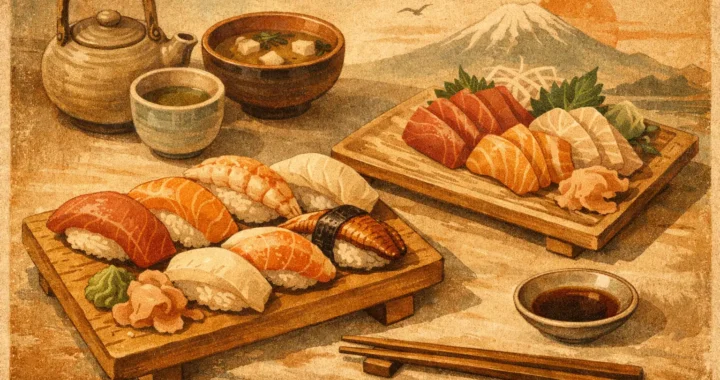
Standing in front of a sushi menu with a solid nigiri & sashimi selection can feel easy if you know what you like – or oddly specific if you do not. One person wants something buttery, another wants clean and lean, and someone at the table may be trying raw fish for the first time. The good news is that choosing well usually comes down to texture, richness, and how adventurous you want to be.
For a casual lunch, dinner out, or takeout order, nigiri and sashimi are often the best way to taste the quality and range of a sushi menu. They are simple by design, which means each fish choice matters more. If you are new to sushi, that simplicity helps. If you already know your favorites, it lets you compare cuts and balance your order without overthinking it.
How to approach a nigiri & sashimi selection
Start with the difference. Nigiri is a slice of fish served over a small mound of seasoned rice. Sashimi is served without rice, so the fish is the full focus. If you are hungry and want a more filling meal, nigiri usually makes more sense. If you want a cleaner tasting experience or want to try several fish side by side, sashimi is often the better pick.
That choice also changes how flavors land. Rice softens and rounds out stronger flavors, which is one reason nigiri is beginner-friendly. Sashimi is more direct. You notice texture faster, and you notice quality faster too. Neither is better across the board. It depends on whether you want a complete bite or a more stripped-down tasting.
A practical way to order is to mix both. Choose a few nigiri pieces for comfort and balance, then add a sashimi item or combo if you want to compare fish more closely. That works especially well when one person at the table loves sushi and another is still figuring out what they like.
What to look for in a good nigiri & sashimi selection
Variety matters, but not just for the sake of having a long list. A good selection includes different flavor profiles and textures so you can build a meal instead of repeating the same bite six times. In most cases, you want a range that includes mild fish, richer fish, and at least one option with a firmer texture.
Mild choices are often the easiest place to start. Tuna and salmon are common first picks because they are familiar, balanced, and easy to enjoy. Salmon tends to be richer and softer. Tuna is usually cleaner and meatier. If you are ordering for someone who says they are “not sure about raw fish,” one of those two is usually the safest entry point.
Then there are the richer options. Fatty cuts have more body and a fuller mouthfeel. These can be the most memorable bites on the plate, but they can also feel heavy if every piece is rich. That is where balance matters. Pair one richer item with one clean item and one slightly sweet or briny item, and the whole order feels more complete.
Texture is the part many people overlook. Some fish are soft and almost creamy. Others are firmer and have more chew. Some shellfish have a gentle snap. If your meal includes only one texture, it can get monotonous even if the flavors are good. A stronger selection gives you contrast.
Freshness is obviously the baseline, but presentation tells you a lot too. Nigiri should look neat and proportionate, with fish that sits naturally over the rice instead of looking forced into place. Sashimi should be cut cleanly, not ragged or uneven. These details may sound small, but they affect how the fish feels when you eat it.
Best choices for beginners
If you are ordering for someone new to sushi, keep the first round simple. Salmon nigiri is often the easiest start because it is rich without being overwhelming. Tuna nigiri is another safe choice for people who prefer a leaner bite. If they like shrimp or cooked seafood more than raw fish, that can be a comfortable bridge before trying sashimi.
For sashimi, beginners usually do better with softer, familiar-tasting fish rather than stronger or more mineral-forward cuts. Thin slices can also feel less intimidating than thicker cuts, though some people actually prefer a thicker piece because the texture is easier to understand. It really does depend on the person.
One mistake beginners make is loading up on soy sauce and wasabi right away. A little is fine, but too much can flatten the differences between fish. If you are trying something for the first time, take one bite with minimal seasoning. After that, adjust. The point is to figure out what the fish tastes like, not just what soy sauce tastes like.
How experienced diners usually build a better order
People who eat sushi often tend to think in sequence, not just quantity. They might start with something clean and mild, move into a richer cut, then finish with something bright or firmer. That pacing helps each item stand out.
You can use the same approach without making it complicated. Start with tuna or a white fish, move to salmon or another richer option, then finish with something with a little snap or a more distinct flavor. If you order everything rich at once, the last few bites can blur together. If you order only lean fish, the meal can feel too restrained.
Another smart move is to consider what else is on the table. If your group is also ordering ramen, poke, appetizers, or rice bowls, a lighter sashimi order may make more sense than a full plate of nigiri. If sushi is the center of the meal, nigiri gives you more staying power. There is no perfect formula, just a better fit for the rest of your order.
Nigiri or sashimi for lunch, dinner, and takeout
For lunch, nigiri is often the easier pick because it is more filling and travels well as a complete item. It gives you rice and protein in one bite, which works when you need something satisfying without adding a lot of extras. Sashimi can be ideal at lunch too, especially if you want a lighter meal, but many people pair it with soup or another side.
For dinner, sashimi tends to shine when the meal is more relaxed. You have time to notice the cuts, compare flavors, and build a plate with a little more intention. Nigiri still works well, especially if you want a straightforward order that feels complete on its own.
Takeout changes things slightly. Nigiri generally holds its structure better over short travel times because the rice and fish arrive as a finished bite. Sashimi can still travel well, but the experience depends more on temperature and timing. If you are ordering for pickup and eating soon, either works. If dinner may sit for a bit before everyone gets home, nigiri can be the safer choice.
Simple ordering tips that actually help
If you are undecided, order for contrast instead of volume. A small mix with lean, rich, and mild choices usually beats a larger order of similar fish. You get a better sense of what you like, and the meal feels less repetitive.
It also helps to be honest about your comfort level. If you know you prefer familiar flavors, start there. If you like trying new things, add one or two less familiar options instead of making the whole order experimental. That keeps the meal enjoyable even if one item is not your favorite.
At a place like O’Sae Colorado, where groups often order across categories, your nigiri and sashimi choices do not have to do all the work. If one person wants sushi and another wants noodles or a bowl, that flexibility makes it easier to keep the sushi order focused and balanced rather than oversized.
A good sushi order is not about proving how adventurous you are. It is about choosing a few pieces you will actually enjoy, paying attention to texture and richness, and leaving room to try something new next time. If you keep it that simple, the right choice usually finds you.