Casual Sushi Restaurant Guide for Easy Ordering

Casual Sushi Restaurant Guide for Easy Ordering

Picking a sushi spot should not feel like homework. A good casual sushi restaurant guide helps you figure out what to order, what the menu is really saying, and how to choose a place that works for your whole group – not just the person who already knows the difference between nigiri and sashimi.

That matters more than people think. Most casual dining plans are not built around one craving. One person wants sushi, another wants ramen, someone else would rather have a rice bowl, and at least one person says they are “not really into raw fish.” The best casual Japanese restaurants make that easy. They give beginners a clear starting point, keep quality consistent, and offer enough variety that lunch, dinner, and takeout all feel simple instead of complicated.

What a casual sushi restaurant guide should actually help you do

A useful guide is not just a glossary of sushi terms. It should help you make a fast, confident choice based on how you like to eat. Are you trying sushi for the first time? Ordering takeout on a workday? Meeting family members with completely different tastes? Those situations need different menu choices.

Casual sushi restaurants work best when they remove friction. The menu should be easy to scan. There should be familiar options alongside more traditional items. Ordering should feel straightforward whether you are dining in or picking up food on the way home. If a restaurant gets those basics right, it becomes the kind of place people come back to regularly, not just once in a while.

Casual sushi restaurant guide to reading the menu

If you have ever opened a menu and felt like half the words needed translation, start here. Most sushi menus are more approachable than they look.

Nigiri is one of the most direct ways to try sushi. It is usually a slice of fish served over pressed rice. If you want to focus on the flavor of the fish itself, this is a good place to start. Sashimi is similar, but without rice. It is a better fit if you already know you like raw fish and want something simpler.

Maki refers to rolls. For many casual diners, this is the easiest entry point because rolls often combine rice, seaweed, fish or cooked protein, and vegetables in a more familiar format. Some are straightforward, while others come with sauces, crunch, or spicy elements that make them feel closer to a comfort-food order.

Then there are the non-sushi sections, which matter just as much in a casual setting. Ramen, udon, poke, rice bowls, appetizers, soups, and desserts give people options when they want Japanese or broader Asian flavors without committing to sushi. A well-rounded menu is usually a good sign because it means the restaurant understands mixed groups and repeat customers.

Best picks for beginners

If you are new to sushi, there is no prize for ordering the most technical thing on the menu. The better move is to start with items that feel familiar in texture and flavor.

Cooked rolls are often the easiest first order. They reduce the hesitation some people feel around raw fish and usually have a milder flavor profile. Crispy or tempura-style rolls can also be a comfortable starting point because they bring in texture that feels more recognizable.

Rice bowls and poke are another smart bridge into the menu. They use many of the same ingredients you might find in sushi, but in a format that feels more like a lunch or dinner bowl. If you are curious but cautious, that can be the difference between trying something new and defaulting to the same order every time.

It also helps when a restaurant clearly separates beginner-friendly choices from more traditional sushi selections. That kind of menu organization respects both kinds of customers. New diners do not feel lost, and sushi regulars can still order exactly what they came for.

How to order for a group without overthinking it

This is where a casual sushi restaurant guide becomes practical. Group orders go better when you stop thinking in categories and start thinking in balance.

A strong order usually includes one or two shareable appetizers, a few sushi rolls with different flavor profiles, and at least one hot entrée option like ramen or udon for people who want something more filling. If your group is mixed, include one cooked roll, one classic roll, and one bolder option with spice or crunch. That covers a lot of preferences without turning the table into a strategy meeting.

For family meals or office lunches, variety matters more than chasing the most specialized items. People want something they can recognize quickly and enjoy without explanations. That is why broad menus work so well in neighborhood restaurants. They let one person get sashimi while another orders a bowl and someone else sticks with soup and appetizers.

Dine-in versus takeout

Not every item travels the same way, and that is worth considering before you order. Sushi can be excellent for takeout, but some items hold up better than others.

Rolls, nigiri, poke, and rice bowls are usually dependable choices for pickup. They are compact, easy to package, and still taste fresh when handled well. Ramen and udon can also travel well, though quality depends on packaging and timing. Crisp appetizers may lose some texture on the ride home, so that is one area where dine-in can have an edge.

If convenience is the priority, a casual sushi spot should make online ordering feel easy and predictable. The restaurant experience starts before the food arrives. Clear menu sections, simple pickup flow, and dependable timing matter just as much as the food itself when you are fitting dinner into a busy day.

What makes a casual sushi restaurant worth returning to

Quality matters, but consistency is what turns a one-time customer into a regular. In a casual restaurant, people are looking for food they can count on. They want the roll they liked last week to taste right again. They want the broth to be hot, the portions fair, and the ordering process simple.

Hospitality also matters more in casual dining than people sometimes realize. An approachable restaurant does not assume everyone walks in already understanding the menu. It meets beginners where they are. It makes recommendations without making anyone feel inexperienced. That kind of service builds trust fast.

Menu range is another big factor. A sushi place that also offers ramen, bowls, appetizers, desserts, and a few distinctive items outside the standard template gives customers more reasons to come back. At O’Sae Colorado, for example, that broader mix includes a Taste of Indonesia section, which gives people another option when they want something different without having to choose a completely different restaurant.

A few trade-offs to keep in mind

Casual sushi restaurants are built for access and convenience, not for a formal omakase-style experience. That is not a weakness. It is just a different kind of meal.

If you want a quick lunch, an easy family dinner, or takeout that satisfies different cravings, casual is often the better fit. If you are looking for a slower, chef-led tasting focused on rare fish and fine details, that is a different category entirely. Knowing the difference helps set the right expectations.

Price works the same way. Casual spots tend to give you more flexibility. You can keep it simple with a small bowl or a basic roll, or you can build a larger meal with appetizers and multiple sushi items. That range is useful, especially when not everyone in your group wants the same level of spend.

How to use this casual sushi restaurant guide next time you order

Start by deciding what kind of meal you actually want. If you want familiar and easy, go with a cooked roll, a rice bowl, or ramen. If you already know your way around sushi, branch into nigiri, sashimi, or a more traditional maki selection. If you are ordering for several people, build in contrast so everyone has an option that makes sense.

Then look at how the menu is structured. A good casual restaurant will make the path clear. You should be able to spot beginner options, classic sushi items, and hot entrées without digging. That kind of clarity usually reflects how the restaurant operates overall – practical, reliable, and focused on making the meal easy to enjoy.

The best neighborhood sushi places do not ask you to be an expert. They just make it easy to eat well, whether you want one simple roll or a table full of different dishes. If a restaurant can do that consistently, you have probably found your regular spot.

Is Udon Healthier Than Ramen?

Is Udon Healthier Than Ramen?

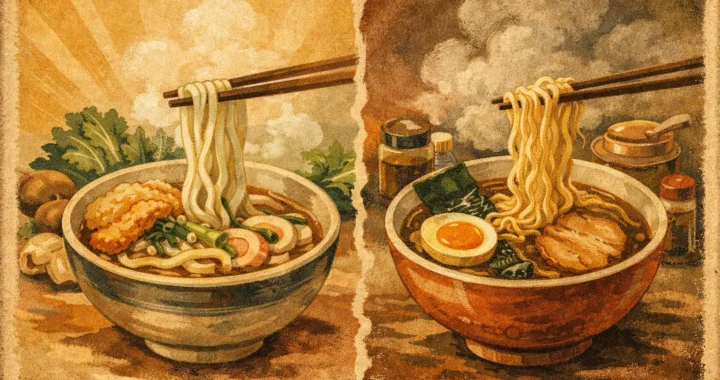
If you are standing between an udon bowl and a ramen bowl and wondering, is udon healthier than ramen, the short answer is this: sometimes, but not always. The healthier choice depends less on the noodle itself and more on the broth, portion size, protein, and toppings that come with it.

That matters because two bowls can look similar and land very differently. A simple udon soup with vegetables can feel light and balanced, while a rich tonkotsu ramen can be much heavier. But flip the setup around and a fully loaded udon dish can easily outpace a more modest ramen bowl.

Is udon healthier than ramen when you compare the noodles?

If you strip both dishes down to just the noodles, udon and ramen are fairly close in calories and carbs. Udon noodles are thick wheat noodles, usually made from wheat flour, water, and salt. Ramen noodles are also wheat-based, but they often include kansui, an alkaline ingredient that gives them their springy texture and yellow color.

From a basic nutrition standpoint, udon noodles are often a little lower in fat because they are usually simpler in composition. Ramen noodles, especially the instant kind many people think of first, can be higher in fat if they are fried before packaging. Fresh restaurant ramen noodles are a different story and are not automatically unhealthy.

So if the question is only about the noodle, udon can have a slight edge for simplicity. Still, the difference is usually not dramatic enough to settle the question on its own. Most of what makes one bowl healthier than another comes after the noodles hit the broth.

Broth makes the biggest difference

This is where the gap can get wide. Udon is often served in a lighter broth made with dashi, soy sauce, and mirin. It tends to be clean, savory, and less heavy on fat. Ramen broth can range from relatively light shoyu to deeply rich tonkotsu made by simmering pork bones for hours.

A lighter broth usually means fewer calories and less saturated fat. That gives many udon bowls a healthier profile right away, especially for someone who wants a filling meal that does not feel too heavy in the middle of the day.

But ramen is not one thing. A shio or shoyu ramen with lean protein and vegetables can be more balanced than a creamy udon dish topped with fried tempura. If you are comparing specific bowls, broth style matters more than the name of the dish.

Sodium is another part of the story. Both udon and ramen can be high in sodium because Japanese noodle soups rely on seasoned broth for flavor. A lighter-tasting broth is not always lower in salt. If you are watching sodium, the smartest move is often to drink less of the broth rather than focus only on whether the bowl is udon or ramen.

Udon vs ramen broth styles

A traditional udon broth is usually more delicate and lower in fat. That makes it a good fit for people who want comfort food without the richness of a heavy pork-based soup.

Ramen gives you a wider range. Some broths are clear and lighter. Others are creamy, dense, and much more calorie-heavy. When people ask, is udon healthier than ramen, they are often really asking whether a light broth is healthier than a rich one. In many cases, yes.

Toppings can turn a light bowl into a heavy one

Toppings decide a lot. Add tempura, extra noodles, fatty pork, heavy sauces, or a soft bun on the side, and the nutrition picture changes quickly.

A balanced bowl usually includes a protein, vegetables, and a reasonable portion of noodles. Think chicken, tofu, shrimp, or sliced beef paired with bok choy, spinach, mushrooms, seaweed, green onion, or other vegetables. That kind of bowl gives you more staying power than noodles and broth alone.

Ramen often comes with chashu pork, soft-boiled egg, bamboo shoots, scallions, and seaweed. That can be a satisfying and complete meal. Udon can be just as balanced if it comes with vegetables and lean protein. The issue is not that one dish is always better. It is whether the bowl is built in a way that matches what you need.

If you want a lighter lunch, udon with vegetables and a simple broth often works well. If you want a more filling dinner, ramen with protein and vegetables may be the better pick, even if it is a bit richer.

Calories, carbs, and fullness

Udon noodles are thicker and softer, so they can feel especially filling. Some people eat them more slowly because of their texture, which can help with satisfaction. Ramen noodles are thinner and can feel easier to eat quickly, especially in a rich broth that makes the whole bowl more craveable.

In practical terms, both are carb-forward meals. If you are trying to cut carbs, neither is especially low-carb. If you are simply trying to choose the more balanced option, portion size matters. A moderate bowl with protein and vegetables is usually a better choice than a giant bowl of mostly noodles, whether it is udon or ramen.

For active people, students, or anyone grabbing a quick meal between work and errands, both can fit into a normal diet. The healthier question is less about avoiding noodles and more about choosing a bowl that will actually keep you full without leaving you sluggish.

Instant ramen is a different category

One reason ramen gets labeled as less healthy is instant ramen. That version is often high in sodium, lower in fiber, and sometimes higher in fat because the noodles are pre-fried. It is convenient, but it is not the best comparison for fresh restaurant ramen.

Fresh ramen made to order is a different meal. It may still be high in sodium, and some broths are definitely rich, but it can also include fresh ingredients, better protein, and more vegetables. If you are comparing restaurant udon to instant ramen, udon will often come out ahead. If you are comparing two fresh bowls from a restaurant, the answer gets more nuanced.

So, is udon healthier than ramen for specific goals?

If your goal is to eat lighter, udon often has the advantage. The broth is frequently less rich, and the overall bowl can be lower in fat.

If your goal is higher protein and a more complete meal, ramen can be a strong option if it includes egg, meat, or tofu and a good amount of vegetables. A ramen bowl with thoughtful toppings may support fullness better than a plain udon soup.

If your goal is lower sodium, either one can be tricky. Both can carry a lot of salt in the broth. In that case, choosing a simpler preparation and leaving some broth behind can help.

If your goal is comfort food that still feels reasonable, both can work. It really comes down to what is in the bowl and how often you eat it.

How to order either bowl in a healthier way

A few simple choices make a real difference. Pick a broth that is lighter if you do not want a heavy meal. Add vegetables when possible. Choose leaner proteins or tofu. Be careful with fried toppings if you are trying to keep calories in check.

You also do not need to treat noodle soup like a health food or a cheat meal. It can just be lunch or dinner. A practical way to think about it is balance. If your bowl is rich, keep the rest of the meal simpler. If your bowl is lighter, you may want to add protein or a side to make it more satisfying.

At a casual spot with a broad menu, that flexibility is part of the appeal. You can order what sounds good and still make smart adjustments based on your appetite and your day.

The better question is what kind of bowl you want

Is udon healthier than ramen? Often yes, especially when udon is served in a light broth with simple toppings. But ramen is not automatically the less healthy choice, and udon is not automatically light. A rich bowl of either can be heavy, and a balanced bowl of either can fit nicely into a normal week.

If you are choosing between the two, skip the all-or-nothing thinking. Look at the broth, toppings, and portion. Then order the bowl that fits how hungry you are and how you want to feel after the meal. That is usually the healthiest choice that still feels like a meal you actually wanted.

Indonesian Food Flavor Review for Newcomers

Indonesian Food Flavor Review for Newcomers

You can usually tell within one bite whether a dish is trying to be loud or balanced. Indonesian food often does both at once. That is what makes an Indonesian food flavor review useful for first-time diners. The food can taste sweet, savory, spicy, earthy, smoky, and bright in the same meal, but not in a random way. The flavors are layered, practical, and built for comfort.

If you are used to sushi, ramen, rice bowls, or stir-fried dishes, Indonesian food will not feel completely unfamiliar. Rice matters. Sauces matter. Texture matters. What changes is the seasoning style. Indonesian cooking often leans deeper, warmer, and more aromatic than many people expect on a first try.

Indonesian food flavor review: what stands out first

The first thing most people notice is balance. Not mild balance, but active balance. A dish may bring soy, garlic, chile, palm sugar, tamarind, coconut, lemongrass, or shrimp paste into the same bite. That sounds busy on paper. In practice, it usually tastes grounded.

Sweetness is one of the biggest surprises for new diners. In American restaurant menus, sweet often means dessert-level sweet or a sugar-forward glaze. In Indonesian food, sweetness is often there to round out heat, salt, and fermented notes. It makes the dish feel full rather than sugary. That difference matters.

Savory depth is the second standout. Many Indonesian dishes have a slow-building richness that comes from aromatics, toasted spices, broth, or cooked-down sauces. The flavor tends to sit lower and warmer on the palate compared with the cleaner edge of citrusy or vinegar-heavy cuisines. If you like comfort food with personality, that is usually a good sign.

The core flavor profile in Indonesian cooking

A lot of Indonesian food works from a few familiar flavor directions, but the proportions shift from dish to dish. Sweet soy sauce can add body and caramel notes. Chile brings heat, but not always the sharp kind. Garlic, shallot, and ginger create a savory base. Lemongrass and lime can lift a dish so it does not feel heavy.

Then there are the ingredients that give Indonesian food its deeper character. Shrimp paste adds funk and salt. Tamarind brings tartness with a darker edge than lemon. Coconut milk softens spice and adds richness. Peanuts can make sauces taste round and nutty instead of just creamy.

That mix is why Indonesian flavors can feel bold without feeling messy. You are not tasting one dominant note as much as a sequence. First the sweet. Then the savory. Then a little heat. Then something earthy or tangy that keeps the bite moving.

Sweet and savory are partners, not opposites

This is where first-time diners sometimes hesitate. If you hear that a dish is sweet and savory, you may picture something overly sauced or sticky. Indonesian food can be glazed or caramelized, but the better way to think about it is that sweetness supports the savory base.

For example, sweet soy sauce can add color, depth, and a slight molasses note. It does not automatically turn a dish into takeout-style sweetness. When used well, it helps grilled meats, fried rice, or noodles taste fuller and more rounded.

Heat depends on the dish

Not every Indonesian dish is fiery. Some are gentle and aromatic, while others bring serious chile heat. Sambal, the broad category of Indonesian chile condiments and sauces, can range from bright and punchy to smoky, salty, or deeply spicy.

If you are heat-sensitive, Indonesian food is still worth trying. The trick is to ask whether the spice is cooked into the dish or added on the side. A lot depends on preparation. Some dishes are naturally mild until sambal is added, which gives you more control.

Texture matters as much as taste

A proper Indonesian food flavor review should talk about texture, because texture is part of the appeal. Crisp fried shallots, chewy noodles, tender meat, fluffy rice, crunchy vegetables, and creamy sauces often show up together. That contrast keeps rich dishes from feeling too dense.

This is one reason Indonesian comfort food lands well with a wide range of diners. Even when the seasoning is bold, the textures make the food feel approachable. There is usually something crisp, something soft, and something saucy in the same plate.

If you already enjoy the contrast of crispy tempura with rice, or raw fish with warm miso soup, this part will make sense right away. Different cuisine, same basic payoff – variety in each bite.

Common Indonesian dishes and how they taste

Nasi goreng is one of the easiest entry points. It is Indonesian fried rice, but that label only gets you halfway there. A good nasi goreng often tastes darker, smokier, and more savory-sweet than standard fried rice. The seasoning usually has more depth, and the rice can carry a little caramelized edge from sweet soy.

Mie goreng, the noodle version, gives a similar flavor profile with more chew and sauce cling. If you like stir-fried noodles, this is often a safe first order. The flavor is familiar enough to feel comfortable, but distinct enough to feel new.

Satay is another strong starting point. Skewered grilled meat with peanut sauce sounds simple, and it is, but the flavor can be surprisingly complete. You get char from the grill, warmth from spices, sweetness from marinade, and richness from the sauce. Depending on the version, the peanut sauce may lean sweeter, saltier, or more spiced.

Rendang is for diners who want depth. It is rich, slow-cooked, and layered with spices and coconut. The heat level can vary, but the main impression is usually concentrated savory flavor with warmth rather than quick spice. It is a great choice if you like braised dishes and want something hearty.

Gado-gado goes in a different direction. It is often built around vegetables, tofu, egg, and peanut sauce. That may sound light, but the sauce gives it real substance. This is a good reminder that Indonesian food is not only about meat or spice. It can be fresh, balanced, and very satisfying.

Indonesian food flavor review for cautious eaters

If you are the person in the group who usually orders the most familiar option, Indonesian food still has an easy learning curve. Start with grilled items, fried rice, or noodle dishes before jumping into stronger fermented or heavily spiced choices. That gives you the flavor structure without the steepest learning curve.

It also helps to think in terms of what you already enjoy. If you like teriyaki but want something less one-note, Indonesian sweet-savory dishes can work well. If you like curry but want less creaminess and more spice detail, Indonesian braises may be a better fit. If you like peanut sauce, satay is a simple yes.

The biggest trade-off is that not every dish is instantly clean or delicate. Some are intentionally earthy, dark, or funky. For adventurous eaters, that is the draw. For cautious eaters, it may take a dish or two to find the right fit.

Why Indonesian flavors work well in a casual local restaurant

Indonesian food does not need a formal setting to make sense. In fact, it often works best in a casual restaurant where the goal is straightforward – order something satisfying, share if you want, and leave full. The flavors are memorable, but the dishes are still practical lunch-and-dinner food.

That is part of why a Taste of Indonesia section can make sense on a broader Asian menu. It gives regulars a way to try something different without committing to a completely unfamiliar restaurant experience. At a place like O’Sae Colorado, that kind of choice matters. One person can stay with sushi or ramen, while another tries Indonesian-inspired comfort food, and nobody feels stuck.

For families or groups, that variety is useful. Not everyone wants the same flavor intensity. Indonesian dishes can sit comfortably alongside more familiar favorites because they share the same strengths – rice, noodles, grilled proteins, sauces, and filling portions.

What to expect before your first order

Expect more depth than brightness, more layering than simplicity, and more sweetness than you may guess from the menu description. Do not assume sweet means sugary, or spicy means painful. Indonesian food usually has more control than that.

A good first order depends on what you want. If you want safe and flavorful, go with fried rice or noodles. If you want grilled and shareable, choose satay. If you want rich comfort food, try a slow-cooked meat dish. If you want vegetables without giving up flavor, peanut-based salads and mixed plates are worth a look.

The best way to approach it is not to treat Indonesian food like a test of how adventurous you are. Treat it like dinner. Pick the texture and format you already enjoy, then let the seasoning do the interesting part.

A lot of great meals do not need a speech before the first bite. Indonesian food is one of them. If you like flavor that feels warm, layered, and satisfying, it is probably worth ordering once – and then again when you know what to look for.

12 Best Japanese Comfort Foods to Order

12 Best Japanese Comfort Foods to Order

Cold day, long shift, hungry kids, mixed group, no patience for a complicated menu – this is exactly when the best Japanese comfort foods make sense. They are warm, filling, familiar in the best way, and flexible enough for both regulars and first-timers. If you want something satisfying without overthinking it, Japanese comfort food usually gets the job done.

Some people hear Japanese food and think sushi first. That makes sense, but comfort food is a different lane. This is the part of the menu built around broth, rice, noodles, crispy bites, and rich sauces. It is the food you order when you want dinner to feel easy.

What makes the best Japanese comfort foods so reliable?

Japanese comfort food tends to balance richness with clean flavor. Even heavier dishes usually have structure – savory broth, tender noodles, crisp toppings, a little acidity, or just enough sweetness to round things out. That balance is a big reason these meals work so well for lunch breaks, family dinners, and takeout nights.

The other reason is range. Some comfort foods are great if you want something light but warm, like soup or udon. Others are better when you want a full, filling plate, like a rice bowl or curry. If your group is split between adventurous eaters and people who want something simple, this category makes ordering easier.

12 best Japanese comfort foods worth trying

1. Ramen

Ramen is usually the first answer for a reason. A good bowl gives you broth, noodles, protein, and toppings in one dish. It is rich without always being too heavy, and there are enough variations to match different appetites.

If you are new to Japanese comfort food, ramen is an easy starting point. It feels familiar, but the broth and toppings give it more depth than a standard noodle soup. For colder weather or a rough day, few orders are more dependable.

2. Udon

Udon is softer and thicker than ramen, and that texture is a big part of the appeal. The noodles are chewy, comforting, and satisfying even when the broth is simple. If ramen feels intense to you, udon can be the calmer option.

This is also a smart pick for people who want comfort food that does not feel overly rich. It still fills you up, but it often lands lighter. For lunch, that can matter.

3. Chicken katsu

Chicken katsu is one of the most beginner-friendly dishes on any Japanese menu. It is breaded, fried chicken cutlet, usually served with rice, sauce, or curry. Crispy outside, juicy inside, easy to understand.

It works because it is straightforward. If someone in your group says they are not sure what to get, chicken katsu is often a safe recommendation. It has broad appeal and still feels like a real meal, not a fallback.

4. Katsu curry

If you want a comfort dish with more sauce and more warmth, katsu curry is hard to beat. Japanese curry is usually thicker, milder, and a little sweeter than some other curry styles, which makes it especially approachable.

The fried cutlet adds crunch, the rice keeps it grounded, and the curry ties everything together. It is hearty, filling, and better for serious hunger than for a light lunch. That is the trade-off. When you want comfort, though, that heft is the point.

5. Gyudon

Gyudon is a beef rice bowl that does a lot with simple ingredients. Thin-sliced beef, onions, sauce, and rice do not sound complicated, because they are not. The appeal is in the balance of savory, slightly sweet flavor and how quickly it becomes satisfying.

This is one of the best Japanese comfort foods for people who want something practical. It travels well, it is easy to eat, and it gives you a full meal without feeling fussy. For takeout, that matters.

6. Oyakodon

Oyakodon is a chicken and egg rice bowl, and it deserves more attention than it usually gets. The egg softens into the sauce, the chicken stays tender, and the whole dish feels warm and homey.

It is not as bold as katsu curry or as brothy as ramen, which is exactly why some people prefer it. If you want comfort food that leans gentle instead of heavy, this is a good call.

7. Miso soup

Miso soup is not always the main event, but it absolutely belongs on a comfort food list. It is warm, savory, and quietly reassuring. Sometimes that is enough.

As a side, it rounds out a meal. On a day when you want something lighter, it can also be part of a simpler order with sushi, a rice bowl, or an appetizer. Comfort does not always have to mean big.

8. Takoyaki

Takoyaki are crisp on the outside, soft in the middle, and usually topped with sauce and a little extra richness. They are more snackable than a full dinner item, but they bring a real comfort-food vibe to the table.

These are great for sharing, especially if your group wants a few starters before the main order arrives. If you like trying different textures, takoyaki stand out.

9. Gyoza

Gyoza are one of the easiest wins on a Japanese menu. Pan-fried dumplings bring crisp edges, savory filling, and a strong appetizer-to-entree-side role. They work for almost everyone.

They are especially useful if your table is split between sushi eaters and non-sushi eaters. Gyoza help bridge that gap. They feel familiar enough for beginners and satisfying enough for regulars.

10. Onigiri

Onigiri do not always get the spotlight, but they are classic comfort food for a reason. Rice shaped into a portable snack or light meal can sound simple, yet that simplicity is part of the appeal.

They are best when you want something quick, filling, and not too heavy. Compared with a full noodle bowl, onigiri are a smaller commitment. That makes them a smart option for light appetites or add-on orders.

11. Japanese fried rice

Japanese fried rice is one of those dishes that fits almost any situation. It is familiar, customizable, and easy to pair with appetizers, soup, or grilled items. If you are ordering for a group, it is often one of the safest choices.

It may not be the most traditional answer to every comfort-food craving, but it is dependable. For takeout, leftovers, or a fast lunch, that consistency matters more than flash.

12. Donburi bowls

Donburi is a broad category, but that is exactly why it belongs here. A good rice bowl topped with meat, vegetables, egg, or sauce is one of the most practical comfort meals you can order.

It is also a good middle ground if one person wants something warm and filling while another wants to avoid a big noodle dish. At O’Sae Colorado, bowls are part of what makes the menu work for different cravings at the same table.

How to choose the best Japanese comfort foods for your mood

If you want warmth first, start with ramen, udon, or miso soup. These are the dishes that feel best on cold days, late nights, or whenever you want something soothing more than exciting.

If you are very hungry, rice bowls, katsu, and curry usually make more sense. They tend to be more filling and hold up well if you are ordering takeout to eat at home. Noodle soups are deeply satisfying, but they can be a little less convenient if you are not eating right away.

If you are ordering for beginners, start with chicken katsu, gyoza, fried rice, or gyudon. These dishes are approachable and recognizable without feeling boring. For mixed groups, adding one shared appetizer and then letting everyone pick a bowl or noodle dish is usually the easiest move.

Best Japanese comfort foods for takeout

Not every comfort food travels the same way. Rice bowls, curry, fried rice, and gyoza usually hold up very well. They stay flavorful and are easy to eat without much fuss.

Ramen and udon can still be great as takeout, but timing matters more. If you are eating right away, they are excellent. If the trip home is longer, noodles can soften and broth-based dishes lose a little of their edge. That does not make them a bad option. It just means your best order depends on your plan.

Why comfort food matters on a Japanese menu

A good Japanese menu should not only work for sushi fans. It should also give people easy, satisfying options when they want something warm, familiar, and filling. That is what makes comfort food so valuable in a neighborhood restaurant setting.

Some nights call for sashimi and rolls. Other nights call for broth, rice, dumplings, or curry and zero decision fatigue. The best Japanese comfort foods meet you where you are, which is exactly why people come back to them.

If you are choosing dinner for a group, start with what sounds easy to enjoy, not what sounds impressive. The right comfort dish is usually the one that makes everyone at the table feel like ordering was simple.

Poke Bowl vs Sushi: What Should You Order?

Poke Bowl vs Sushi: What Should You Order?

Some days you want a neat row of rolls and nigiri. Other days you want one bowl that covers rice, protein, crunch, sauce, and a little bit of everything. If you’re weighing poke bowl vs sushi, the better choice usually comes down to how you like to eat, how hungry you are, and whether you want a build-your-own kind of meal or a more traditional sushi experience.

For a lot of people, these two get grouped together because both often feature rice, seafood, vegetables, and Japanese-inspired flavors. But they are not the same kind of meal. The format changes everything – from portion size and texture to how customizable your order feels.

Poke bowl vs sushi: the core difference

The simplest way to look at it is this: sushi is a category of prepared items built around seasoned rice, while a poke bowl is a composed bowl with layered ingredients, usually centered on cubed fish or other proteins over rice or greens.

Sushi tends to be more structured. Nigiri gives you a specific bite of fish over rice. Maki rolls combine fillings in a set format. Sashimi skips the rice and focuses on the fish itself. Each piece is intended to be eaten as prepared, with only small adjustments like soy sauce or a touch of wasabi.

A poke bowl is looser and more casual. It often starts with a base like rice, then adds protein, vegetables, toppings, and sauce. You eat it mixed together, not piece by piece. That changes the experience right away. Sushi is more about distinct bites. Poke is more about the whole bowl working together.

Where poke and sushi overlap

There is a reason the comparison comes up so often. Both can include raw fish like tuna or salmon. Both may use rice, seaweed, cucumber, avocado, sesame, and soy-based sauces. If you’re new to Japanese and Asian menu items, they can look similar at a glance.

The overlap usually ends at ingredients. Preparation, balance, and texture are very different. Sushi puts a lot of focus on precision. The rice is seasoned specifically, portions are controlled, and the ratio of fish to rice matters. Poke is generally more flexible. It can be lighter or heavier, saucier or cleaner, and built around contrast from crunchy toppings, creamy add-ons, and marinades.

That flexibility is a big reason poke appeals to people who want a filling meal without needing to know a lot of sushi terms. You can recognize the ingredients and build from there.

Sushi is better when you want a more traditional bite

If you’re craving something more classic, sushi usually wins. Good sushi is about balance and simplicity. Even a basic tuna roll or salmon nigiri can feel clean and satisfying when the rice, fish, and seasoning are right.

Sushi also gives you more variety across a single meal. You can order a roll, add a few pieces of nigiri, maybe include sashimi, and create different textures and flavors without committing to one large format. That works especially well if you’re sharing with other people or trying a few things at once.

There is also a pacing difference. Sushi slows you down a little. You eat one piece at a time. You notice the texture of the fish, the firmness of the rice, the crispness of nori, and the specific flavor of each item. A poke bowl is easier to eat quickly, especially at lunch.

For beginners, sushi can feel a little less obvious at first because there are more categories and combinations to sort through. But once you know what you like, it becomes easy to order with confidence.

Poke bowl makes more sense when you want one complete meal

A poke bowl is often the practical choice when you’re hungry and want everything in one order. You get your base, protein, vegetables, toppings, and sauce all together. It feels substantial in a way that a single sushi roll usually does not.

That does not mean poke is always heavier. It depends on what goes into it. A bowl with greens, tuna, cucumber, edamame, and a lighter sauce can feel fresh and light. A bowl with spicy mayo, crispy onions, multiple toppings, and extra rice will eat more like comfort food.

This is one reason poke works well for groups with mixed preferences. Someone who wants raw fish can have that. Someone who prefers cooked protein can often go that route instead. Someone who wants lots of vegetables or a less intimidating entry point than sushi usually finds poke easier to customize.

For takeout, poke also travels well because it is meant to be mixed and eaten from a bowl. Sushi can travel well too, but texture matters more. Rolls with tempura elements or crisp toppings are best eaten sooner rather than later.

The ingredient difference matters more than people think

One common mistake is assuming poke is just deconstructed sushi. It can borrow similar ingredients, but the flavor profile is usually broader and more layered.

Sushi rice is seasoned and intentionally prepared to support the fish or fillings. In poke, the rice may be plain or less seasoned because the sauce and toppings carry more of the flavor. Sushi often aims for restraint. Poke often leans into contrast – savory, spicy, creamy, crunchy, and bright all in one bowl.

Fish preparation can differ too. In sushi, fish is often sliced and served with minimal treatment. In poke, fish is commonly cubed and may be marinated. That marinade changes the taste and texture. If you love the clean flavor of raw salmon or tuna on its own, sushi may be more satisfying. If you like sauce and seasoning built in, poke may feel more rewarding.

Which is healthier?

This is where the answer is: it depends.

Both poke and sushi can be lighter options, and both can get rich fast depending on what you order. Simple sashimi or nigiri can be high in protein and relatively straightforward. Rolls with fried fillings, cream cheese, or heavy sauce are obviously a different story.

Poke bowls can be packed with vegetables and lean protein, but sauces and toppings add up quickly. Extra mayo-based sauce, fried onions, and large rice portions can change the nutrition profile a lot. On the other hand, a bowl with fresh fish, greens, seaweed salad, cucumber, and a moderate amount of rice can feel balanced and filling without being too heavy.

If your goal is control, poke usually gives you more of it because you can adjust base, toppings, and sauce. If your goal is portion awareness, sushi can be easier because pieces are more defined. Neither is automatically the healthier choice.

What to order if you’re new

If raw fish makes you hesitate, poke can actually be the easier starting point because the bowl format feels familiar. Rice bowl meals are straightforward. You can add ingredients you already know you like and keep the flavor profile comfortable.

If you’re curious about sushi but want a low-pressure first step, start with beginner-friendly rolls or cooked options. Then try nigiri once you’re ready to taste the fish more directly. A lot of regular sushi fans started with simple rolls before branching out.

At a neighborhood spot with a broad menu, you do not have to make it an all-or-nothing decision. You can order a poke bowl for the person who wants a filling lunch, sushi for the person who wants variety, and still add something warm like ramen or an appetizer for the table. That mix is part of what makes places like O’Sae Colorado easy for groups.

So, which one should you choose?

Choose sushi when you want distinct bites, a more traditional presentation, or the chance to sample a few different items in one meal. Choose poke when you want one filling bowl, more customization, or an easier entry point into raw fish and rice-based meals.

If you usually eat on the go, poke may fit your routine better. If dinner is more about slowing down and enjoying each piece, sushi often feels more satisfying. And if you’re ordering for a group with mixed tastes, poke and sushi are less rivals than they are good companions on the same table.

The best choice is not the one that sounds more authentic or more popular. It is the one that matches your appetite, your comfort level, and the kind of meal you want right now. When you’re not sure, order the one you’ll actually enjoy eating from first bite to last.

How to Pick Sushi Takeout Near Me

How to Pick Sushi Takeout Near Me

Some takeout decisions are easy. Sushi usually is not. When you search for sushi takeout near me, you are not just looking for the closest spot on a map. You are trying to find food that travels well, tastes fresh when you get it home, and works for whoever is eating with you.

That matters even more when one person wants sashimi, another wants a cooked roll, and someone else in the group would rather order ramen or a rice bowl. A good local takeout restaurant makes that choice simple. A bad one leaves you with soggy rolls, missing sauces, and a dinner that felt better in the photos than it did on the table.

What good sushi takeout near me should actually deliver

The first thing to look for is not the biggest menu or the flashiest specialty roll. It is consistency. Sushi for takeout has to hold up from the kitchen to the car ride to your counter at home. That means clean cuts, properly packed rice, and rolls that are built to stay together instead of collapsing once the lid opens.

Freshness is the obvious part, but packaging matters just as much. If warm items are packed right against cold sushi, quality drops fast. If sauces are poured over everything before pickup, texture can go soft before you even get home. Good takeout service pays attention to those details because they change the meal.

You also want a place that understands different comfort levels with sushi. Not everyone ordering is looking for the same experience. Some people want nigiri and sashimi. Others want beginner-friendly rolls, familiar flavors, or fully cooked options. A dependable neighborhood restaurant makes room for both.

Start with the menu, not just the rating

Ratings can help, but they do not tell you enough on their own. A better first step is to read the menu like a customer who actually has to place an order in five minutes.

Does the sushi section give you real range? A strong menu usually includes core formats like nigiri, sashimi, and maki, along with easier entry points for people who are new to Japanese food. If every roll sounds overloaded, you may end up with a meal that is heavy but not balanced. On the other hand, if the menu is too limited, it can be hard to satisfy a group with different tastes.

This is where variety helps. A restaurant that also offers ramen, udon, poke, rice bowls, appetizers, soup, and dessert is often easier for families, coworkers, and mixed groups. One person can order sushi, another can stick with a warm noodle bowl, and nobody has to settle.

That broader menu also says something practical about the business. It suggests the restaurant is built for everyday lunch and dinner, not just occasional specialty orders. For takeout, that kind of reliability matters.

How to tell if a sushi spot works for beginners and regulars

A lot of people want sushi takeout without wanting a crash course in sushi terminology. That is normal. Good menu design makes ordering easier, especially if the restaurant serves both longtime sushi fans and first-timers.

Look for signs that the menu is approachable. Categories matter. Clear sections for rolls, sashimi, bowls, and cooked items reduce guesswork. Beginner-friendly options matter too, especially for customers who like the idea of sushi but do not want to start with the most challenging choice on the board.

For experienced diners, the question is a little different. They usually want balance and enough traditional options to build the meal they actually want. That might mean a simple nigiri order, a sashimi plate, or a few maki rolls without extra sauces covering everything. A restaurant that can serve both audiences well is usually doing the basics right.

Timing matters more than people think

Sushi is one of the few takeout meals where a 10-minute difference can change the experience. That does not mean you need perfect timing every time, but it does mean pickup windows matter.

If you are ordering sushi for lunch between meetings, speed matters. If you are grabbing dinner on the way home, reliability matters more than speed alone. The best takeout experience is not always the fastest one. It is the one that is ready when promised, packed correctly, and still in good shape when you open it.

This is where online ordering helps. Clear ordering, accurate timing, and direct pickup are often better than a confusing process with too many handoffs. If a restaurant is built around easy ordering and practical service, that tends to show up in the food experience too.

What to order when everyone wants something different

This is where many takeout restaurants lose people. Sushi can sound great until someone in the group says they do not eat raw fish, another person wants something filling and hot, and a kid just wants something familiar.

A better local option solves that without making the order feel complicated. Maybe one person gets sashimi, another orders a cooked roll, another picks ramen or udon, and someone adds a rice bowl or poke. Appetizers and soup can round out the meal without turning it into a big production.

That kind of flexibility is one reason neighborhood spots tend to win repeat business. They are not only serving sushi lovers. They are feeding real households, office lunches, and last-minute dinner plans. If the menu can handle all of that, takeout gets easier fast.

Restaurants with a little more range can also be a good fit when you want something beyond standard sushi shop choices. A pan-Asian menu, for example, gives people more room to order what sounds good that day instead of forcing everyone into one lane. At O’Sae Colorado, that wider mix includes Japanese favorites along with a Taste of Indonesia section, which is useful when your group wants variety without placing orders from two different places.

Price, value, and what a smart order looks like

The cheapest sushi takeout is not always the best value, and the most expensive order is not automatically the best either. For most customers, value comes down to getting a meal that feels complete, travels well, and matches the appetite.

Sometimes that means ordering a few simpler items instead of one oversized specialty roll. Sometimes it means pairing sushi with a small bowl, soup, or appetizer so the meal feels balanced. If you are ordering for lunch, a lighter combination may make more sense. For dinner, you may want a mix of sushi and hot items that can satisfy different people.

This is one area where approachable pricing on side items or smaller bowls can make a real difference. It gives customers flexibility. You can build a full meal without overspending, and you can add something extra for the person who wants more than sushi alone.

Signs you found a dependable local spot

The best answer to sushi takeout near me is usually not the trendiest place. It is the one you would trust on a regular Tuesday. Dependability looks simple, but it covers a lot.

You want a restaurant with a menu that is easy to read, ordering that is easy to complete, and food that arrives as expected. You want fresh sushi, yes, but also clear portions, practical packaging, and enough menu range for the people you are feeding. Local reviews can help confirm that, especially when they mention consistency, service, and repeat visits instead of only one standout dish.

You also want a place that feels connected to the neighborhood. Restaurants that stay active with customers, keep ordering straightforward, and make it easy to come back tend to earn long-term trust. That is especially true for takeout, where convenience and reliability matter almost as much as flavor.

A better way to search for sushi takeout near me

The next time you search for sushi takeout near me, skip the idea that the nearest result is automatically the right one. Look for a restaurant that makes ordering simple, offers enough variety for your group, and treats takeout like part of the meal instead of an afterthought.

Good sushi takeout should feel easy before you order, solid on the drive home, and worth repeating once dinner is over. If your local spot can do that while also giving you options beyond sushi when the craving shifts, you probably found the place to keep in rotation.

What Comes in a Poke Bowl?

What Comes in a Poke Bowl?

If you have ever looked at a menu and wondered what comes in a poke bowl, you are not alone. Poke is one of those meals that looks simple at first glance, but the details matter. One bowl can be light and fresh, another can be rich and filling, and both can still be called poke.

That is why it helps to know the basic parts. Once you understand how a poke bowl is built, ordering gets easier. You can tell what sounds good, what feels too heavy, and what works best if you are trying poke for the first time.

What comes in a poke bowl most often

Most poke bowls are built in layers. You usually start with a base, add a protein, then finish with toppings and sauce. Some places keep it very traditional, while others lean into a more customizable, casual bowl style.

The usual base is rice. Sushi rice is the most common because it has the soft, slightly sticky texture that works well with marinated fish and toppings. Brown rice is also popular if you want something heartier. Some poke bowls use greens instead of rice, or a mix of rice and salad, which gives the bowl a lighter feel.

The protein is the center of the bowl. Classic poke often uses raw fish, especially tuna or salmon. Those are still the most familiar choices for many customers. Depending on the restaurant, you might also see cooked shrimp, crab, tofu, chicken, or other proteins. This part changes the bowl the most. Tuna tends to be clean and meaty, salmon is richer, and cooked options are often the easiest entry point for beginners.

After that come the toppings. This is where flavor and texture really start to build. Common toppings include cucumber, avocado, edamame, seaweed salad, green onion, sweet onion, shredded carrots, radish, corn, masago, sesame seeds, and crispy onions. Some bowls stay simple with just a few toppings. Others go bigger and aim for contrast in every bite.

Sauce usually ties everything together. Soy-based sauces are common, but so are spicy mayo, sesame dressing, ponzu, and eel sauce. A good sauce should add flavor without taking over the whole bowl. If you like cleaner flavors, a lighter sauce may be better. If you want something richer and more familiar, creamy spicy sauces tend to be a safe choice.

The base of a poke bowl

Rice is still the standard for a reason. It makes the meal more filling, balances salty and savory flavors, and gives the bowl structure. White sushi rice is especially common because it complements seafood without competing with it.

If you choose brown rice, expect a nuttier flavor and firmer bite. That can be a good match if you want something a little heavier or more substantial for lunch or dinner. Salad greens create a fresher bowl, but they also change the overall experience. A greens-based poke bowl can feel more like a salad with poke on top than a traditional rice bowl.

There is no single right choice here. It depends on whether you want comfort, freshness, or something in between.

What protein comes in a poke bowl

When people picture poke, they usually think of cubed raw fish. That is still the most recognizable version. Tuna is classic because it is firm, clean-tasting, and holds marinade well. Salmon is another favorite because it has a softer texture and richer flavor.

If raw fish is new to you, cooked proteins can make poke easier to try. Shrimp, imitation crab, or other cooked seafood options still give you the bowl format without asking you to jump straight into sashimi-style textures. Tofu is also common for guests who want a meat-free option.

This is where personal preference matters most. If you already enjoy sushi or sashimi, raw tuna or salmon will probably feel familiar. If you prefer fully cooked meals, there is nothing wrong with starting there. A poke bowl should feel approachable, not like a test.

The toppings that make a poke bowl feel complete

Toppings are not just extras. They are what keep the bowl from tasting flat. A good poke bowl usually balances cool, creamy, crisp, salty, and sometimes a little heat.

Cucumber adds crunch and freshness. Avocado brings a softer, richer texture. Edamame adds substance and a mild, slightly sweet flavor. Seaweed salad gives the bowl a briny, savory note that works especially well with seafood. Green onion and sweet onion add sharpness, while carrots and radish give the bowl a crisp bite.

Then there are toppings that add a little pop or finish. Sesame seeds are common. Masago can add saltiness and texture. Crispy onions or tempura flakes bring crunch, which can make the whole bowl more satisfying.

Not every poke bowl needs every topping. In fact, too many can make the bowl feel crowded. The best bowls usually have enough contrast to stay interesting without losing the flavor of the protein.

What sauce comes in a poke bowl

Sauce is often what makes one poke bowl taste completely different from another. A soy-based marinade gives a bowl a more savory, traditional direction. Ponzu adds brightness and a citrusy edge. Sesame-based sauces can feel nutty and mellow.

If you like stronger flavor, spicy mayo is one of the most common choices. It adds creaminess and heat, and it tends to make poke more approachable for people who like rolls with spicy sauce. Eel sauce is sweeter and thicker, so it can make the bowl feel richer.

There is a trade-off here. Heavier sauces can be delicious, but they can also cover up the taste of the fish and fresh toppings. Lighter sauces let the ingredients stand out more. If you are ordering poke for the first time, a medium-flavor sauce is usually a good middle ground.

Traditional poke vs modern poke bowls

This is where some confusion comes in. Traditional poke and the poke bowls many people order today are related, but they are not exactly the same thing.

Traditional poke comes from Hawaii and often focuses more simply on seasoned fish. The fish itself is the star, usually dressed with ingredients like soy sauce, sesame oil, seaweed, onion, or similar seasonings. It may be served without the fully loaded bowl format that has become popular in many casual restaurants.

Modern poke bowls are often built more like a customizable rice bowl. They still feature marinated fish or seafood, but they also include a wider range of toppings, sauces, and bases. That makes them flexible and easy to personalize, especially for groups with different tastes.

Neither version is automatically better. One is more minimalist and fish-forward. The other is more varied and filling. What you prefer depends on whether you want a cleaner seafood experience or a balanced, all-in-one meal.

What comes in a poke bowl if you are a beginner

If you are new to poke, the easiest bowl is usually one with familiar ingredients and a moderate sauce. Start with rice, choose a protein you already know you like, then add a few simple toppings such as cucumber, avocado, and edamame.

For sauce, it helps to avoid going too extreme at first. Very spicy or very sweet sauces can dominate the bowl. A soy-based or lightly spicy sauce is often easier to read on your first try. You can always branch out later.

A lot of beginners do best with a bowl that has only a few toppings instead of every available add-on. More is not always better. If the bowl has too many competing flavors, it becomes harder to tell what you actually enjoy.

At a casual spot with a broad menu, poke can be one of the easier ways to try something new without committing to a fully traditional sushi experience. That is part of why it works so well for mixed groups, especially when some people want sushi, some want a rice bowl, and others just want something fresh and filling.

How to tell if a poke bowl will be light or filling

The base and sauce usually decide that. Rice, avocado, creamy sauces, and crunchy fried toppings make a poke bowl more substantial. Greens, lighter sauce, and simpler toppings make it feel fresher and lighter.

Protein also plays a role, but less than people think. Tuna with rice and spicy mayo can feel heavier than salmon on greens with ponzu, even though salmon is the richer fish. It is really the whole combination that matters.

If you are ordering lunch, you may want a bowl that does not feel too heavy in the middle of the day. For dinner, a heartier bowl with rice and richer toppings can be more satisfying. There is no wrong answer. It just helps to know what kind of meal you are actually building.

If you are still unsure what comes in a poke bowl, think of it as a choose-your-balance meal: base, protein, texture, and sauce. Once you know those four parts, the menu starts to make a lot more sense, and ordering gets a lot more enjoyable.

What Does Maki Mean on a Sushi Menu?

What Does Maki Mean on a Sushi Menu?

If you have ever stood in front of a sushi menu and wondered what does maki mean, you are not alone. It is one of the most common sushi terms people see, and also one of the easiest to understand once you know what to look for.

In simple terms, maki means rolled sushi. The word comes from the idea of wrapping or rolling, which is exactly how this style is made. A typical maki roll includes sushi rice and fillings wrapped in seaweed, then sliced into bite-sized pieces.

That sounds straightforward, but on a real menu, the details matter. Some maki rolls are simple and traditional. Others are bigger, packed with multiple ingredients, or topped with sauces. If you are new to sushi, knowing what maki means helps you order with a lot more confidence.

What does maki mean in Japanese food?

On a Japanese food menu, maki usually refers to sushi that has been rolled with rice, fillings, and nori, which is dried seaweed. After the roll is formed, it is cut into pieces and served as the round slices most people picture when they think of sushi.

This is different from sushi as a broad category. Sushi does not automatically mean raw fish, and it does not always mean a roll. The defining part of sushi is the seasoned rice. Maki is one style within that larger category.

That distinction helps because many guests use the word sushi to mean every item in the sushi section. In practice, there are important differences between maki, nigiri, and sashimi. They may use similar ingredients, but the format changes the experience.

How maki is made

Maki starts with a sheet of nori laid flat, usually on a bamboo mat. Sushi rice is spread over the nori, fillings are added, and the whole thing is rolled into a cylinder. Once rolled, it is sliced into even pieces.

The fillings can be very simple, like cucumber or tuna, or more layered, with crab, avocado, tempura shrimp, cream cheese, spicy mayo, or eel sauce. That range is one reason maki is so popular. It gives people a familiar, easy-to-eat format with plenty of room for variety.

For beginners, maki often feels more approachable than other sushi styles because each piece contains a balanced mix of rice, filling, and seaweed. You are not getting a single bite of fish on its own. You are getting a combination of textures and flavors in each piece.

Maki vs. nigiri vs. sashimi

If you are trying to read a sushi menu quickly, this is the comparison that matters most.

Maki is rolled sushi. It is cut into pieces and usually includes rice, nori, and one or more fillings.

Nigiri is a hand-formed piece of sushi rice topped with a slice of fish or another ingredient. It is not rolled. There is usually no seaweed wrapping the whole piece, though some styles use a thin strip of nori to hold toppings in place.

Sashimi is sliced fish served without sushi rice. It is the simplest format and often the most direct expression of the fish itself.

None of these is automatically better than the others. It depends on what you want. If you like clean, simple bites, nigiri and sashimi may appeal to you. If you want something easier to start with, maki is often the safer choice because the flavors are more blended and familiar.

Different types of maki

Not every maki roll looks the same. If you see several kinds of rolls on a menu, that does not mean the term is being used loosely. There are real style differences.

Hosomaki is a thinner roll, usually made with one main filling. Cucumber rolls, tuna rolls, and avocado rolls often fall into this category. These are straightforward and traditional.

Futomaki is a thicker roll with multiple fillings. Because it is larger, each slice tends to have more texture and more going on in a single bite.

Uramaki is an inside-out roll, where the rice is on the outside and the nori is inside. This is a very common style in American sushi restaurants. California rolls are a classic example.

Temaki is technically a hand roll rather than a sliced roll. It is cone-shaped and meant to be eaten as one piece. Some people group it with maki because it is still rolled, but on a menu it is usually listed separately.

So when someone asks what does maki mean, the short answer is rolled sushi. The longer answer is that it includes a few different formats, from simple slim rolls to larger specialty rolls.

Why maki is often the best starting point

For people who are new to sushi, maki is usually the easiest place to begin. The size is manageable, the ingredients are visible, and the flavor combinations can be as familiar or adventurous as you want.

A cucumber roll or California roll is a low-pressure first order. If you already know you like cooked seafood, a shrimp tempura roll is another easy option. If you want something richer, spicy tuna or salmon rolls can be a good next step.

This is also why maki works well for mixed groups. One person might want something simple, another wants a baked roll, and someone else wants a spicy specialty roll. Everyone is still ordering within a format that feels easy to share.

What maki does and does not tell you

The word maki tells you the food is rolled. It does not tell you whether the roll is raw or cooked, spicy or mild, traditional or heavily customized.

That is where menu descriptions matter. A tuna roll and a tempura shrimp roll are both maki, but they are very different meals. One is lighter and more traditional. The other is warmer, crispier, and often more filling.

Sauces also make a big difference. Some maki rolls are very clean and simple. Others come topped with spicy mayo, eel sauce, crunchy flakes, or extra fish. If you prefer a lighter bite, stick to simpler rolls. If you want something bold and satisfying, specialty rolls may be a better fit.

Common ingredients you will see in maki

Most maki rolls are built from a few basic parts: sushi rice, nori, protein or vegetables, and sometimes sauces or toppings.

Common seafood fillings include tuna, salmon, crab, shrimp, and eel. Vegetable options often include cucumber, avocado, asparagus, or pickled radish. In American-style sushi, you may also see cream cheese, tempura flakes, jalapeno, or baked toppings.

That blend of Japanese tradition and American preference is normal. Sushi menus in the US often include both classic rolls and more creative house rolls. Neither style cancels out the other. They simply serve different tastes.

How to order maki with confidence

If you are ordering for the first time, focus on three things: whether you want raw or cooked ingredients, whether you want something simple or loaded, and how hungry you are.

A basic roll is a good choice if you want a lighter meal or plan to add nigiri, soup, or an appetizer. A larger specialty roll makes more sense if you want your roll to be the main event.

It also helps to ask practical questions. Is the roll spicy? Does it have raw fish? Is it fried or baked? A good sushi menu should make this clearer, but when it does not, asking saves you from ordering something that misses the mark.

At a casual neighborhood spot like O’Sae Colorado, maki usually appeals to both regular sushi fans and guests who are still figuring out what they like. That flexibility is part of the appeal.

So, what does maki mean for your next meal?

It means rolled sushi, but more than that, it usually means options. Maki can be simple, filling, cooked, raw, mild, spicy, traditional, or more Americanized depending on the ingredients and style.

If you are new to Japanese food, maki is one of the easiest ways to get comfortable with sushi. If you already know your way around a menu, it is still one of the most versatile choices you can make. Either way, once you know what the word means, the menu gets a lot easier to read.

Next time you see maki listed, you do not need to guess. Just look at the ingredients, choose the flavor profile that sounds right, and order the roll that fits your appetite.

How to Find Great Poke Bowls Near Me

How to Find Great Poke Bowls Near Me

When you search for poke bowls near me, you usually want an answer fast. You are hungry, you want something fresh, and you do not want to gamble on a bowl that looks good online but shows up watery, bland, or overloaded with rice. A good poke spot should make that decision easier, not harder.

Poke works because it can fit a lot of different moods. Sometimes you want a lighter lunch that does not slow you down for the rest of the afternoon. Other times you want a filling dinner with rice, protein, sauce, and toppings that actually taste like they belong together. That range is part of the appeal, but it also means not every poke bowl is built the same.

What to Look for in Poke Bowls Near Me

The first thing to check is freshness. That sounds obvious, but it matters more with poke than with a lot of other takeout meals. Fish, rice, greens, sauces, and toppings all need to feel like they were prepared with care. If one piece is off, the whole bowl feels off.

Rice is a good example. It should be properly cooked and hold its texture without turning gummy or dry. If you choose greens instead of rice, they should look crisp and clean, not like an afterthought. Protein should taste fresh and be cut to a size that works in a bowl instead of feeling uneven or messy.

Balance is the next thing. A poke bowl should not be all sauce and no structure. It also should not be so plain that every bite tastes the same. The best bowls balance the base, protein, vegetables, crunch, and seasoning so you get variety without chaos.

Portion matters too, but not just in the oversized sense. A good bowl should feel satisfying for the price. That does not always mean the biggest serving. Sometimes it means the ingredients are distributed well, so you are not left with half a bowl of plain rice after the toppings are gone.

Why Some Poke Bowls Work Better Than Others

A lot of places offer poke now, but the results can be very different. Some restaurants treat poke like a side category added to the menu because it is popular. Others build it with the same care they give sushi, rice bowls, or other fresh-prep items. You can usually taste the difference.

Restaurants that already work with Japanese or broader Asian flavors often have an advantage here. They tend to understand rice texture, fish handling, sauce balance, and how toppings should support the bowl instead of covering everything up. That does not guarantee every bowl will be perfect, but it gives you a better starting point.

That is also why menu variety can be a good sign. If a restaurant serves poke alongside sushi, ramen, udon, rice bowls, and appetizers, it often means the kitchen is used to building meals around contrast – warm and cool, rich and light, crisp and soft. For customers, that matters even more when one person wants poke and someone else wants something completely different.

Choosing a Bowl That Fits Your Day

Not every poke bowl should be judged by the same standard. A quick weekday lunch and a relaxed dinner order are different situations.

If you are ordering lunch, convenience matters. You want a bowl that travels well, keeps its texture, and feels fresh by the time you open it. Simpler combinations often hold up better for takeout, especially if you are eating at work or between errands. Too many wet toppings can turn into a soggy bowl fast.

For dinner, you may want something more filling or more customized. This is where add-ons, extra protein, or a richer sauce can make sense. If you are ordering for a group, poke is also a practical choice because it is flexible. One person can keep it straightforward while another goes for a bowl with more heat, crunch, or sauce.

That flexibility is one reason poke works well in a neighborhood restaurant setting. It gives regular customers options without making the meal feel complicated.

Signs of a Reliable Local Spot

When people search for poke bowls near me, they are not just looking for the closest place on a map. They are usually looking for the place they can count on next time too.

Reliability shows up in small ways. Clear menu categories help. So does easy online ordering, especially when you know what you are getting. Good local reviews can tell you whether the restaurant is consistent, whether orders are accurate, and whether customers come back for the same dishes more than once.

Photos can help, but they are not everything. A polished photo does not always mean a better meal. What you want is a restaurant that makes practical information easy to find – hours, ordering, menu details, and contact information. That kind of clarity usually reflects how the business handles the customer experience overall.

For local families, working professionals, and students, that matters. Most people are not conducting a full restaurant investigation every time they order dinner. They want food that sounds good, ordering that feels simple, and a meal that arrives the way they expected.

Poke Is Great for Beginners Too

One of the best things about poke is that it is approachable, even if you are newer to Japanese or Asian menu items. You do not need to know sushi terminology to order a bowl you will enjoy.

If you are unsure where to start, choose a base you already like, such as rice or greens, then pick a protein and a few toppings that sound familiar. Cucumber, avocado, edamame, and crunchy onions are easy entry points. For sauce, it is usually smart to start lighter. You can always add more next time, but an overly heavy sauce can take over the whole bowl.

If you already like sushi, poke gives you some of the same flavors in a more casual format. It can feel less formal than sushi rolls while still offering freshness and variety. That makes it an easy choice for mixed groups where not everyone wants the same thing.

At a place like O’Sae Colorado, that kind of flexibility fits the menu well. Someone can order poke while someone else goes for ramen, sushi, or another comfort dish, and nobody has to settle.

What Makes Takeout Poke Worth Ordering Again

Takeout poke needs to do more than taste good for five minutes. It should still feel well put together after the drive home or a short delivery window.

Packaging matters more than people think. Ingredients should be arranged in a way that keeps texture intact. Hot ingredients and cold ingredients need enough separation to avoid turning the bowl into one mixed temperature. Sauces should add flavor, not drown everything before you even pick up a fork.

Consistency matters even more. If you find a bowl you like, you want it to taste like that again next week. That is what turns a one-time order into a regular lunch or dinner option.

Price also matters, especially for local customers ordering more than once a month. A bowl does not have to be the cheapest option to feel like a good value. It just needs to deliver enough quality, freshness, and portion balance to justify the order.

How to Narrow Down Your Search

If your search results for poke bowls near me are full of choices, start with a few simple filters. Look for places with a menu that makes sense, not one where poke feels buried or unclear. Check whether the restaurant seems built for both dine-in and takeout. Then look for signs that the business serves a range of customers, from regular sushi fans to people who just want a dependable meal.

It also helps to think about what kind of meal you want before you order. If you want something light and clean, choose ingredients that keep the bowl fresh and simple. If you want something more filling, go for a heartier base and toppings with more texture. The best order is not always the most loaded one. It is the one that matches what you actually feel like eating.

A good poke bowl should feel easy to choose, easy to order, and easy to enjoy. If a local restaurant can give you that while still offering variety for the rest of your group, that is usually the place worth coming back to. The next time you search, trust the spot that makes fresh food feel straightforward.

10 Online Sushi Order Tips That Help

10 Online Sushi Order Tips That Help

Ordering sushi online sounds easy until you are staring at a menu with nigiri, sashimi, classic rolls, specialty rolls, poke, ramen, and appetizers all competing for cart space. The best online sushi order tips are not about ordering more. They are about ordering smarter so your meal matches your appetite, your group, and the way sushi actually travels.

Online sushi order tips start with who is eating

The fastest way to place a better order is to think about the table before you think about the menu. A solo lunch, family dinner, and group takeout night should not be built the same way.

If one person loves raw fish and another wants something fully cooked, forcing everyone into a single style usually leads to a disappointing meal. A better move is to balance the order across comfort levels. Add a familiar cooked roll, one or two classic sushi items, and a non-sushi dish like ramen, udon, rice bowls, or appetizers so everyone has an easy choice.

This matters even more for mixed groups. Sushi fans may want nigiri or sashimi for cleaner flavor, while beginners often prefer rolls with crunch, sauce, or cooked ingredients. Neither choice is more correct. They just serve different appetites.

Read the menu categories before adding items

A lot of online ordering mistakes happen because people shop by photo or by name alone. Menu categories are there for a reason. They help you tell the difference between a light order and a heavy one.

Nigiri and sashimi usually give you a more straightforward fish-forward meal. Rolls can vary a lot. One roll might be simple and refreshing, while another comes packed with tempura, spicy mayo, eel sauce, and toppings that make it much richer. If you want balance, do not stack three heavy specialty rolls and expect the same feel as a sashimi and cucumber roll combo.

Beginner-friendly sections are useful too. If a menu clearly separates options for newer sushi eaters, that saves time and removes guesswork. For families or groups with different preferences, those sections can keep the order moving without long debates.

Know the trade-off between variety and value

Variety sounds great online because every item looks tempting. But too much variety can turn into an expensive order that does not feel cohesive. The best approach depends on the occasion.

If you are ordering for yourself, fewer items with contrast usually works better than a cart full of overlapping choices. A simple roll, a few pieces of nigiri, and a soup or salad can feel more satisfying than four similar rolls. For groups, variety makes more sense, but it still helps to avoid doubling up on flavors. If you already have two spicy items and a fried appetizer, add something clean and lighter to break it up.

This is where practical planning helps. Choose one anchor category first, such as rolls, nigiri, poke, or noodle bowls. Then build around it instead of ordering randomly from every section.

Use online sushi order tips to judge portion size

Sushi ordering gets tricky because portion size is not always obvious from the item name. One roll may be a snack. Another may eat like a full meal.

A good rule is to think in terms of appetite, not item count. Someone who wants a lighter lunch may be happy with one roll and miso soup. Someone very hungry at dinner may want two rolls, or a mix of nigiri and a side. If you are ordering for a group, adding appetizers helps fill gaps without making every person commit to a large sushi order.

It also helps to mix textures and formats. Rolls alone can feel repetitive after a while. A shared appetizer, soup, or rice bowl alongside sushi can round out the meal and make the portions feel more complete.

Pay attention to raw, cooked, and vegetarian options

This sounds basic, but it saves a lot of bad orders. Not everyone reading the menu knows which items are raw, lightly seared, fried, or fully cooked. If you are ordering for other people, check before placing the order instead of assuming.

This is especially helpful for office lunches, family meals, and casual get-togethers where one person may avoid raw fish, another may want vegetarian choices, and someone else may be all in on sashimi. Online ordering makes customization easier, but only if you catch those preferences early.

For beginners, cooked rolls and milder fish are often a comfortable place to start. For experienced sushi diners, adding nigiri or sashimi can bring more variety and better contrast. The smartest order is the one that fits the people eating it, not the one that sounds most adventurous.

Think about travel time before you order

Sushi holds up well for takeout, but not every item travels the same way. This is one of the most overlooked online sushi order tips, especially when people order from work or during a busy dinner window.

Crispy items can soften during a longer drive. Sauces can collect in the container. Cold items stay cleaner and fresher when they are not packed too tightly with hot food. If your trip home is short, this matters less. If it is longer, a simple roll, sashimi, poke, or rice-based meal may arrive closer to how the kitchen intended.

That does not mean you should skip tempura or fried rolls. It just means expectations should match the order. If crisp texture is the whole point of the dish, eat it soon after pickup.

Add sides with a purpose, not just because they look good

Appetizers and sides can make an order better, but they should solve a need. Are you trying to make lunch more filling? Add soup or a small starter. Are you feeding two people with different cravings? Add dumplings, edamame, or another shared side that bridges the gap.

Sides also help if someone in the group is not fully committed to sushi. A broader menu is useful here. At a place like O’Sae Colorado, where sushi sits alongside ramen, bowls, and other Asian comfort foods, you do not have to force one category to do all the work. That flexibility makes online ordering much easier for mixed groups.

Dessert is the same story. It makes sense when you know you want a full dinner at home. It makes less sense if you are already over-ordering and just clicking because you are hungry.

Double-check sauces, spice, and add-ons

Specialty rolls often come with built-in flavor from sauce, crunch, spicy mayo, eel sauce, or toppings. That is great if you want a richer bite. It is less great if you accidentally order several items with the same profile and end up with a meal that tastes heavy from start to finish.

Take a second to scan descriptions. If one roll already has spicy sauce and fried components, maybe pair it with something more straightforward. The same goes for extras like wasabi, ginger, soy sauce, and chopsticks. If the ordering system lets you note what you need, use it. It avoids waste and helps the meal feel dialed in.

If you are sensitive to spice, check before guessing. “Spicy” means different things on different menus, and online orders leave less room for quick clarification.

Time your pickup or delivery carefully

Good sushi ordering is not only about what you order. It is also about when. A rushed order placed right when everyone in town is trying to eat can mean longer waits and a less relaxed pickup experience.

If your schedule allows, order a little ahead for lunch breaks, family dinners, or game nights. That gives the kitchen time to prepare the food well and gives you a better shot at eating it at its best. This matters even more for larger orders, where multiple rolls, sides, and hot dishes all need to come together.

When ordering for later, keep the timing realistic. Sushi is best when it is fresh, so schedule it close enough to mealtime that it is not sitting around too long.

Build one order that feels complete

The most satisfying online sushi orders usually have a little structure. Start with your main event, then cover the gaps. If your order is all raw fish, maybe add something warm. If your cart is full of fried items, add something cleaner. If you are feeding a group, make sure every person has at least one easy yes.

That is really the difference between a quick order and a good one. A good order feels intentional. It fits the moment, the people, and the trip home.

Sushi should not feel complicated just because you are ordering from your phone. A few smart choices up front can turn a rushed cart into a dinner that actually works for everyone. Next time you order, build for balance first and let the cravings fill in the rest.