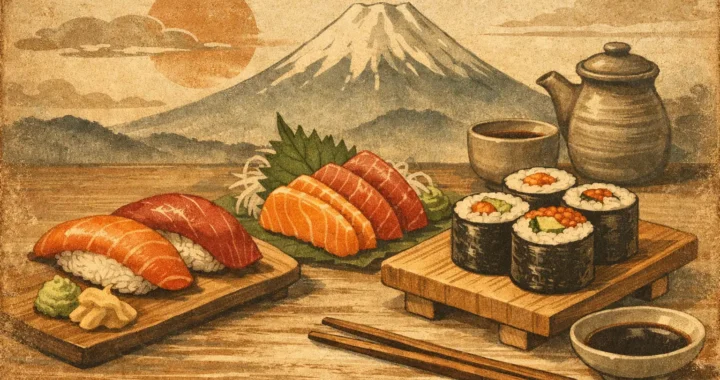
If you have ever looked at a sushi menu and paused at nigiri, sashimi, and maki, you are not the only one. The nigiri sashimi maki difference is one of the most common questions for people ordering sushi for the first time, and honestly, plenty of regulars still mix them up.
The good news is that the distinction is simple once you know what to look for. These three sushi categories are built differently, eaten a little differently, and work for different comfort levels. If you know the basics, ordering gets easier fast.
The nigiri sashimi maki difference at a glance
Nigiri is a hand-pressed piece of rice topped with fish or seafood. Sashimi is sliced fish or seafood served without rice. Maki is rolled sushi, usually with rice and fillings wrapped in seaweed.
That is the short version, but there is more to it than shape alone. The texture, portion style, and overall eating experience change from one to the next.
Nigiri usually gives you a balanced bite because you get both the fish and the rice together. Sashimi is more focused and clean because there is no rice, no wrap, and often no extra ingredients competing for attention. Maki tends to be the most familiar for beginners because it is cut into roll pieces and can include cooked items, vegetables, sauces, and crunchy textures.
What is nigiri?
Nigiri is often what people picture when they think of classic sushi. It is a small mound of vinegared sushi rice shaped by hand, then topped with a slice of fish or seafood. Tuna, salmon, shrimp, eel, and yellowtail are common examples.
Sometimes a little wasabi is placed between the rice and the topping. In some cases, a thin strip of seaweed helps hold everything together, especially with toppings that are softer or more slippery.
Nigiri is simple, but that simplicity is the point. You taste the fish, but the rice matters just as much. Good nigiri should feel balanced – not too much rice, not too much topping, and not packed so tightly that it feels heavy.
For many people, nigiri is the step after basic rolls. It still feels approachable because the rice makes it familiar, but it also gives you a clearer taste of the seafood than a heavily sauced roll does.
When nigiri makes the most sense
Nigiri is a strong choice if you want something traditional without going fully into sashimi. It is also a good middle ground if you like fish but still want the fullness that rice brings.
If you are hungry, nigiri can feel more satisfying than sashimi because of the rice. If you want a cleaner, more direct seafood experience than maki, nigiri usually gets you there.
What is sashimi?
Sashimi is sliced raw fish or seafood served on its own, without rice. That is the key point people miss. Sashimi is not technically the same thing as sushi if you define sushi by the vinegared rice, but on most restaurant menus it sits right alongside sushi options because customers expect to find it there.
Common sashimi choices include salmon, tuna, yellowtail, octopus, and scallop. The presentation is usually very straightforward. You may see garnish like shredded daikon, ginger, or wasabi, but the focus stays on the seafood.
Sashimi is usually the purest way to taste the ingredient itself. Since there is no rice and no wrapping, the texture and freshness stand out immediately. That is why people who already know what fish they like often go for sashimi.
At the same time, sashimi is not always the best first order for everyone. If you are brand new to sushi, going straight to plain slices of raw fish can feel like a big jump. Some people love that clean style right away. Others prefer to start with maki or nigiri and work up to it.
When sashimi is the better pick
Sashimi makes sense if you want to focus on the fish itself, avoid rice, or order something light. It is also a practical choice for people who already know they enjoy raw seafood and do not need extra textures to ease into it.
The trade-off is that sashimi can feel less filling than nigiri or maki if you are ordering a full meal. It depends on what you are after. If you want a clean, protein-focused plate, sashimi fits. If you want something more substantial, you may want to pair it with another dish.
What is maki?
Maki is rolled sushi. It usually includes rice and fillings rolled in seaweed, then sliced into bite-size pieces. Fillings can be raw, cooked, vegetarian, or a mix of all three.
This is the category where people often start. California rolls, tuna rolls, salmon rolls, cucumber rolls, spicy rolls, tempura rolls, and specialty rolls generally fall under the maki umbrella. Some are very simple. Others are bigger, richer, and loaded with sauces or toppings.
Because maki can include so many ingredients, it tends to be the most flexible category on the menu. If one person likes cooked shrimp and another wants raw tuna, both can usually find a roll that works. It is also the easiest style for groups because it feels familiar and shareable.
Why maki is often best for beginners
Maki is approachable because the roll format softens the experience. The fish is not always front and center. The rice, seaweed, vegetables, avocado, and sauces create a more familiar bite.
That can be a good thing if you are easing into sushi. It can also be a drawback if your goal is to taste the fish clearly. A roll with spicy mayo, eel sauce, tempura crunch, and multiple fillings is delicious for a lot of people, but it is a different experience from sashimi or a simple piece of nigiri.
Nigiri vs sashimi vs maki: the real differences
The easiest way to separate them is by structure. Nigiri is fish over rice. Sashimi is fish without rice. Maki is a roll with rice and fillings, usually wrapped in seaweed.
Beyond that, the eating experience changes quite a bit. Nigiri is usually served as individual two-bite pieces. Sashimi comes as slices you can eat one at a time. Maki comes in cut rounds that are easy to share or mix with other orders.
Flavor intensity is another difference. Sashimi gives you the clearest taste of the seafood. Nigiri balances that seafood with seasoned rice. Maki often layers in extra ingredients, so the overall flavor can be milder, richer, or more complex depending on the roll.
Then there is familiarity. Maki is usually the easiest starting point for new sushi eaters. Nigiri is a comfortable next step. Sashimi is often best for people who already know they enjoy raw fish or want the most direct version of it.
How to order if you are not sure
If you are completely new, start with maki. A simple tuna roll, salmon roll, California roll, or a cooked roll is usually a comfortable first choice. You get the sushi experience without committing to a full raw-fish-forward plate.
If you have tried rolls before and want something more traditional, add a couple pieces of nigiri. Salmon nigiri and tuna nigiri are common places to start because the flavors are familiar and the texture is easy to enjoy.
If you already like raw fish or want a lighter plate, try sashimi. Ordering one kind you already know you like is often smarter than going broad right away.
A lot of diners do best with a mix. One roll, a couple pieces of nigiri, and maybe a sashimi order to share gives you range without overcommitting. That is especially helpful if you are still figuring out your preferences.
Common ordering mistakes
The biggest mistake is assuming all sushi is basically the same. It is not. Someone who says they do not like sushi may only mean they had one heavy roll with sauce and did not enjoy it. Another person may think sashimi and nigiri are interchangeable when one includes rice and the other does not.
Another mistake is ordering based only on what sounds familiar. That can keep you in the safe zone forever. There is nothing wrong with sticking with your favorites, but trying one new format can tell you a lot about what you actually enjoy.
It also helps not to overthink what is “correct.” Some people want a classic sashimi plate. Others want a crunchy roll and soup. Both are valid orders. The better choice is the one that fits your taste, appetite, and comfort level.
A simple way to remember it
Think of sashimi as slices, nigiri as topped rice, and maki as rolls. If you remember that, most sushi menus start to make a lot more sense.
For guests ordering at a casual neighborhood spot like O’Sae Colorado, that difference matters because it helps you build a meal that fits what you want. Maybe you want a quick lunch and a simple roll. Maybe you want nigiri with soup. Maybe you want sashimi and a rice bowl on the side. Once you know what each style is, ordering stops feeling like guesswork.
The easiest next step is to try the format that matches your comfort level now, then branch out one step at a time. That is usually how people go from confused at the menu to having a regular order they actually look forward to.