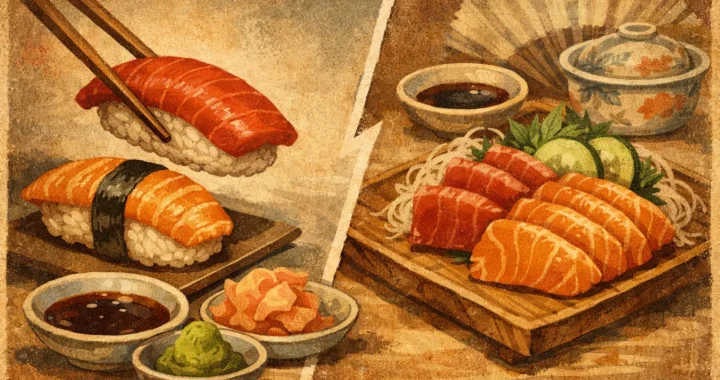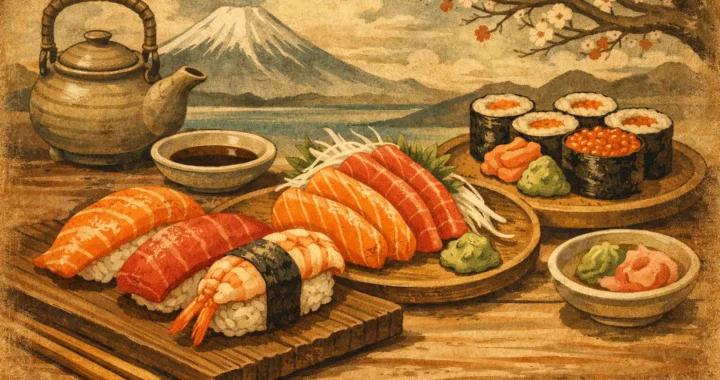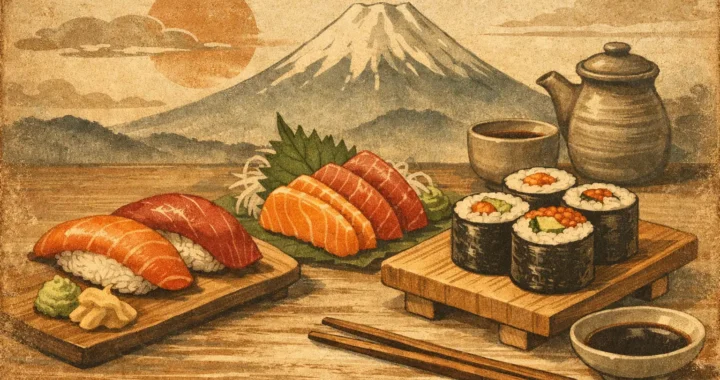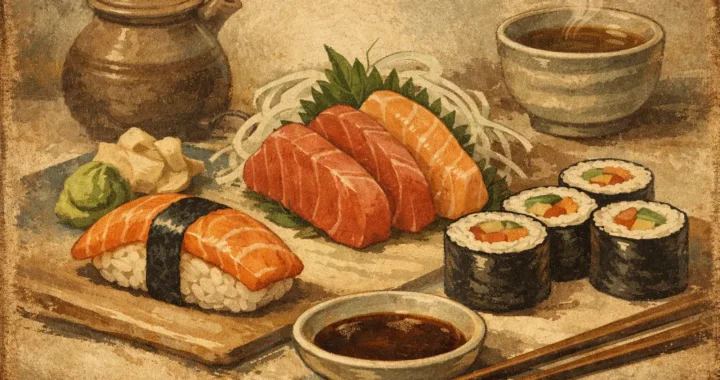
A lot of people ask which sashimi is best when they are staring at a menu and trying not to guess wrong. The honest answer is that the best sashimi depends on what you like most – clean and mild, rich and buttery, or bold and briny. If you are new to sashimi, a few fish stand out as easy starting points. If you already know your way around a sushi menu, the better question is often which cut matches your mood.
Sashimi is simple on purpose. It is sliced raw fish or seafood served without rice, so there is nowhere for quality, texture, or freshness to hide. That is why two people can order the same plate and have completely different favorites. One person wants something delicate. Another wants deep flavor and a softer, fattier bite.
Which sashimi is best for beginners?
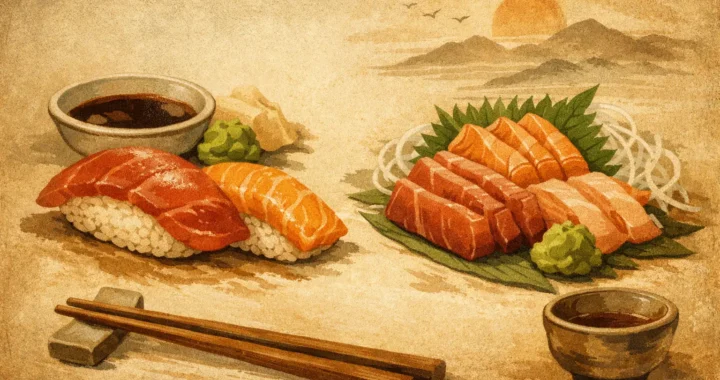
For most beginners, salmon is the easiest place to start. It has a smooth texture, mild flavor, and enough richness to feel satisfying without tasting too fishy. If you have had smoked salmon or cooked salmon before, sashimi salmon often feels familiar enough to be comfortable, just cleaner and more tender.
Tuna is another smart first choice, especially if you want something leaner. Regular tuna sashimi usually tastes clean, meaty, and straightforward. It does not have the same buttery texture as salmon, which some people prefer right away. If raw fish makes you nervous, tuna can feel a little more approachable because the texture is firm and the flavor is controlled.
Yellowtail is where many people go next. It is richer than tuna but usually gentler than stronger ocean-flavored fish. The texture is soft without being slippery, and the taste often lands in that sweet spot between mild and luxurious. If someone asks for one sashimi choice that feels a little special without being too adventurous, yellowtail is often the answer.
Which sashimi is best if you want the best flavor?
This is where the answer gets more personal. The strongest overall favorite for many sushi fans is fatty tuna, often called toro. It has a buttery texture that almost melts as you eat it, with a richer flavor than standard tuna. When it is cut well and served fresh, it is hard to beat. The trade-off is that it can feel too rich for someone who likes cleaner, lighter fish.
Salmon also ranks high for flavor because it gives you both richness and sweetness. It is less delicate than some white fish, which makes it memorable even for casual diners. If you want sashimi that feels comforting and full-flavored, salmon has a lot going for it.
Yellowtail is a close contender because it brings balance. It is flavorful without being overwhelming, rich without being heavy, and smooth without disappearing on the palate. For many diners, yellowtail is the best all-around sashimi because it has enough character to feel premium but not so much that it becomes divisive.
If you like a cleaner finish, snapper or other white fish may be your favorite instead. These are often overlooked by people chasing richer cuts, but they can be excellent when you want subtle sweetness and a firmer bite. They reward slower eating. Instead of hitting you with richness, they let texture and freshness do the work.
How different sashimi choices compare
Tuna is usually the safest middle ground. It is lean, clean, and easy to like. If you want sashimi that feels classic and uncomplicated, tuna is hard to argue with.
Salmon is richer and softer. It is often the best pick for someone who wants a satisfying texture and a mild, slightly sweet flavor. People who love creamy foods tend to like salmon early.
Yellowtail sits between the two in a very appealing way. It has richness, but it also has freshness and a gentle ocean taste that does not overwhelm the bite. For diners who are moving beyond beginner choices, yellowtail often becomes a favorite.
Octopus and squid are different from the fish options because texture matters even more. Octopus is firmer and slightly chewy. Squid can be tender, but it has a distinct texture that some people love and others avoid. These are less about best overall and more about whether you enjoy the mouthfeel.
Shrimp sashimi can be sweet and delicate, but it depends heavily on freshness and preparation. The same is true for scallop. Scallop sashimi is often one of the sweetest and softest options on the plate, which makes it a standout for people who want something gentle and almost buttery without the fattiness of tuna belly.
Which sashimi is best by texture?
Texture changes everything with sashimi. Some people choose with their taste buds first. Others care more about whether the bite is firm, silky, or creamy.
If you want firm texture, start with tuna or snapper. These feel structured and clean. They are a good choice for diners who are not sure about very soft raw fish.
If you want silky texture, salmon and yellowtail are strong picks. They feel smoother and richer, which many people read as more luxurious. If you want the softest, most buttery experience, fatty tuna is usually the top choice.
If you enjoy a little bite and chew, octopus may be your best sashimi. It is not the most common answer to which sashimi is best, but for texture-driven eaters, it can be exactly right.
Which sashimi is best when freshness matters most?
All sashimi depends on freshness, but some choices show flaws faster than others. Delicate fish and shellfish can be amazing when handled well and disappointing when they are not. That is one reason many casual diners stick with salmon, tuna, and yellowtail. These are popular for good reason. They are reliable, widely liked, and easier to recommend with confidence.
At a neighborhood spot that serves both sushi regulars and first-timers, approachable standards matter. They give people a good first experience and make ordering easier. That is part of why the classic sashimi options stay popular at places like O’Sae Colorado. They work for lunch, dinner, and takeout orders where people want something dependable, not a gamble.
How to decide which sashimi is best for you
Think about what you already enjoy in other foods. If you like rich cuts of meat, creamy textures, or buttery sauces, salmon, yellowtail, and fatty tuna are probably better starting points. If you prefer lean proteins, clean flavors, and less richness, tuna or white fish may be a better fit.
It also helps to think in terms of appetite. If you want a light meal, choose cleaner fish. If you want something that feels more indulgent, go with richer cuts. There is no rule that says the most expensive or most famous sashimi will be your favorite.
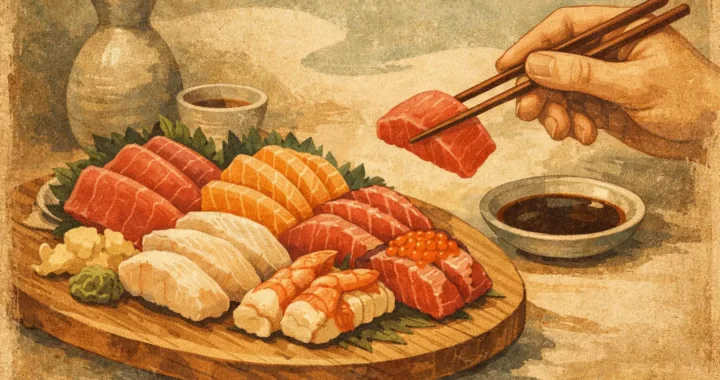
If you are ordering for a group, variety is usually the smartest move. A mix of tuna, salmon, and yellowtail covers a lot of ground and helps everyone find what they like. That approach works especially well when some people at the table are new to sashimi and others already know what they want.
A simple answer to which sashimi is best
If you want the easiest answer, salmon is the best sashimi for most beginners, yellowtail is the best all-around choice for many regular sushi diners, and fatty tuna is often the best luxury pick for pure richness.
That said, the best sashimi is the one that matches your taste, not somebody else’s ranking. A clean slice of tuna can beat a richer cut if that is what you are in the mood for. A delicate white fish can be more memorable than salmon if you want something subtle and fresh.
The good news is you do not have to get it perfect on the first try. Start with one familiar option and one that is a little outside your comfort zone. That is usually how people stop asking which sashimi is best and start figuring out what they actually enjoy ordering.