How to Build Poke Bowl Like It Tastes Right

How to Build Poke Bowl Like It Tastes Right

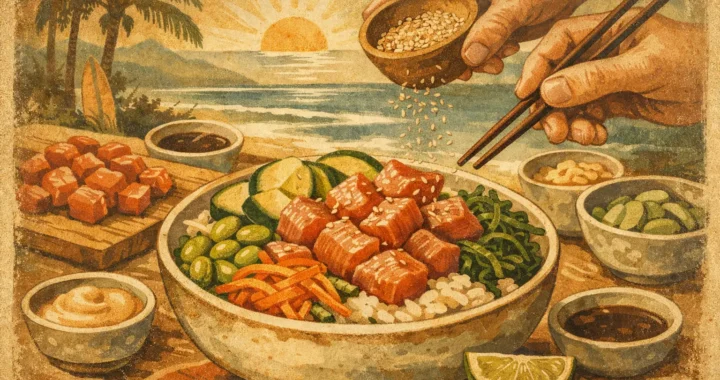
A poke bowl can go wrong fast. Too much sauce, too many toppings, bland rice, watery vegetables – suddenly what sounded fresh and easy turns into a bowl that tastes busy instead of balanced. If you want to learn how to build poke bowl combinations that actually work, the best place to start is with balance, not quantity.

Poke is one of those meals that looks simple because it is simple, but that also means every part matters. The base affects texture. The protein sets the tone. The toppings can either add crunch and freshness or crowd the whole bowl. When each layer has a job, the bowl feels satisfying instead of random.

How to build poke bowl from the bottom up

The easiest way to think about a poke bowl is in layers. Start with the foundation, then build flavor and texture one step at a time. You do not need ten toppings to make it good. Most of the time, a better bowl comes from making a few smart choices.

Start with the base

Rice is still the classic choice, and for good reason. A slightly warm bowl of seasoned white rice gives poke a clean, comforting base that lets the toppings stand out. Sushi rice works especially well because it has the stickiness and light seasoning that pairs naturally with raw fish, marinated proteins, and sauces.

Brown rice is a solid option if you want something a little nuttier and heartier. It adds more chew, which some people like, but it can also compete with delicate proteins. Salad greens create a lighter bowl and make sense if you want something fresher or lower in carbs. The trade-off is that greens do not absorb sauce the same way rice does, so the bowl can feel sharper and less rounded.

Half rice and half greens is often the easiest middle ground. You get the comfort of rice and the freshness of greens without committing fully to either one.

Pick a protein that matches the bowl you want

Traditional poke often features tuna, but that is not your only good option. Salmon gives you a richer, softer bite and works well with creamy sauces, avocado, and cucumber. Tuna tends to be cleaner and meatier, which makes it a natural fit for soy-based marinades, seaweed salad, and scallions.

If raw fish is not your thing, cooked shrimp, tofu, chicken, or imitation crab can still make a very good bowl. This matters for beginners because poke should feel approachable, not like a test. A cooked protein often gives people an easier starting point, especially if they already know they like rice bowls but are not fully comfortable with sashimi-style fish.

The main thing is to avoid mixing too many proteins in one bowl unless you know why you are doing it. One protein keeps the flavors clear. Two can work if they complement each other. More than that usually turns into a bowl with no center.

Add sauce with restraint

This is where a lot of bowls get overloaded. Sauce should support the bowl, not drown it. Soy-based sauces bring salt and depth. Spicy mayo adds richness and heat. Sesame-based sauces can be nutty and a little sweet. Ponzu gives brightness and acidity.

What works best depends on the rest of your bowl. Rich proteins like salmon often do well with lighter, more acidic sauces so the whole thing does not feel heavy. Leaner proteins can handle something creamier or a little sweeter. If you are adding avocado, crunchy onions, and multiple toppings with strong flavor, keep the sauce simple.

A good rule is to choose one main sauce and, if you want extra flavor, use a small amount of a second sauce as an accent. Once the rice gets soggy, there is no fixing it.

The toppings that make a poke bowl better

Toppings are where people tend to get carried away. The goal is not to add every ingredient you like. The goal is to create contrast.

Go for texture first

A good poke bowl usually needs something soft, something crisp, and something with bite. If your protein is tender and your base is soft, add crunch with cucumber, radish, crispy onions, or cabbage. If your bowl already has plenty of crisp vegetables, you may only need one creamy ingredient like avocado to round it out.

Edamame adds substance without being too loud. Seaweed salad brings salt and a slick, briny texture that works especially well with fish. Scallions add freshness and sharpness. Jalapenos can brighten the bowl, but they can also overpower milder ingredients if you pile them on.

Sesame seeds, furikake, and masago are small additions, but they matter. They finish the bowl and add flavor in a way that feels intentional rather than bulky.

Keep the flavor profile consistent

This is the part that separates a bowl that tastes well built from one that feels like leftovers. If you are going for a fresh, clean bowl, lean into cucumber, scallions, greens, ponzu, and sesame. If you want a richer bowl, choose salmon, avocado, spicy mayo, crispy onions, and maybe a little eel sauce.

Mixing too many directions at once can flatten the whole experience. Sweet mango, spicy mayo, seaweed salad, pickled ginger, corn, and creamy crab can all be good ingredients, but not always in the same bowl. A poke bowl needs some restraint.

Common mistakes when learning how to build poke bowl

One common mistake is assuming more toppings means more flavor. Usually it just means less clarity. Four or five well-chosen toppings can do more than eight random ones.

Another mistake is ignoring temperature. A good poke bowl has contrast. Cool fish over slightly warm rice works because the textures stay distinct. If everything is fridge-cold, the bowl can taste muted. If everything is warm, it stops feeling like poke.

People also underestimate seasoning in the base. Plain rice can make the entire bowl feel flat, even if the toppings are good. A little rice vinegar seasoning or a properly prepared base makes a noticeable difference.

Then there is the issue of moisture. Watery cucumbers, over-sauced proteins, and juicy fruit can collect at the bottom and turn the rice mushy. This does not mean those ingredients are bad. It just means portioning matters.

Easy poke bowl combinations that usually work

If you are new to poke, start simple. A salmon bowl with sushi rice, cucumber, avocado, scallions, sesame seeds, and a light soy-sesame sauce is easy to like. It is balanced, filling, and not too sharp.

If you want more heat, tuna with rice, seaweed salad, edamame, jalapeno, crispy onion, and spicy mayo gives you a stronger profile without getting messy. For a lighter option, greens with shrimp, cucumber, radish, avocado, and ponzu keep things fresh and clean.

A tofu bowl can be just as satisfying if you build it with enough contrast. Rice, tofu, edamame, cabbage, carrots, scallions, sesame, and a savory sauce create something that feels complete rather than like a substitute.

For families or groups, poke works well because each person can build around their comfort level. One person may want raw tuna and seaweed salad. Another may prefer a cooked protein, plain rice, and familiar toppings. That flexibility is part of why poke stays popular in casual restaurants – it can meet different appetites without turning dinner into a debate.

Build for balance, not just preference

The best poke bowls are not just a list of favorite ingredients. They have structure. You want a base that fits the protein, a sauce that adds enough flavor without taking over, and toppings that bring contrast instead of clutter.

That also means being honest about what you actually want from the meal. If you are hungry, a greens-only bowl may leave you unsatisfied. If you want something refreshing at lunch, a heavy rice base with rich sauces might feel like too much. There is no single right formula. There is just the right mix for that moment.

At a neighborhood spot like O’Sae Colorado, that kind of flexibility matters because not everyone orders the same way. Some people know exactly what fish and toppings they want. Some want an easy, beginner-friendly bowl that feels familiar on the first try. A well-built poke bowl should work for both.

If you keep one thing in mind, make it this: every ingredient should earn its place. When the base, protein, sauce, and toppings all pull in the same direction, a poke bowl stops feeling like a trend and starts feeling like a meal you will actually want again.
Udon vs Ramen Noodles: What's the Difference?

Udon vs Ramen Noodles: What’s the Difference?

Some days you want a bowl that feels thick, warm, and simple. Other days you want something with more chew, more spring, and a broth that leans richer. That is really what the udon vs ramen noodles question comes down to. Both are comforting, both are popular, and both can absolutely hit the spot. But they eat very differently.

If you have ever looked at a menu and paused between the two, you are not alone. For a lot of guests, especially if you are newer to Japanese food, udon and ramen can sound close enough that the choice feels random. It does not have to be. Once you know how the noodles are made, how they feel in the bowl, and what kinds of broth usually go with them, picking one gets much easier.

Udon vs ramen noodles at a glance

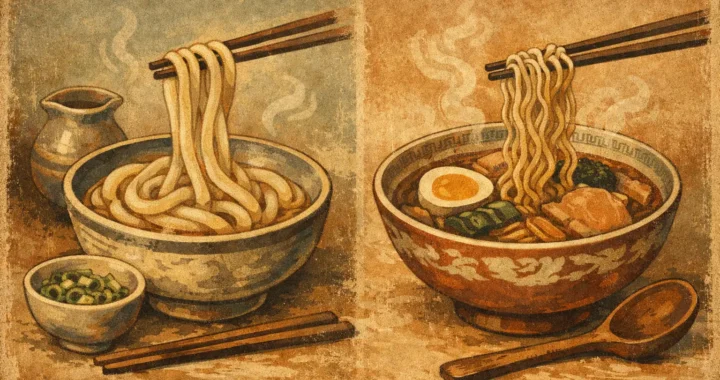
The fastest way to separate udon from ramen is texture. Udon noodles are thick, soft, and smooth. Ramen noodles are thinner, springier, and usually have more bite. Even before broth or toppings enter the picture, the noodle itself changes the whole meal.

Udon is typically made from wheat flour, water, and salt. Ramen is also wheat-based, but it usually includes kansui, an alkaline ingredient that gives ramen noodles their firm texture and slight yellow color. That one difference matters a lot. It is why ramen tends to feel bouncier and more structured, while udon feels plush and substantial.

If you are ordering based on comfort alone, udon often feels calmer and heavier in a good way. Ramen usually feels more layered and dynamic, especially when the broth is rich and the toppings are varied.

What udon noodles are like

Udon is known for its thickness. These noodles are broad, rounded, and noticeably larger than ramen noodles. When cooked well, they are tender but still have some chew. The texture is smooth enough that they almost glide, which is part of why udon works so well in both hot soups and stir-fried dishes.

Flavor-wise, udon noodles themselves are fairly neutral. They are there to carry broth, sauce, and toppings rather than bring a strong taste on their own. That makes them a good choice for people who want a bowl that feels straightforward and easy to enjoy.

Udon broth is often lighter and cleaner than ramen broth, though that depends on the dish. Many udon soups lean on dashi, soy sauce, and a mild savory profile. The result is comforting without feeling too heavy. If you like soups that taste balanced rather than intense, udon usually lands well.

This is also why udon can be a solid pick for beginners. The noodle is easy to like, the broth is often less aggressive, and the whole bowl tends to feel familiar even if you do not order Japanese food often.

What ramen noodles are like

Ramen noodles are thinner and more elastic. They have that signature bounce when you bite into them, and they hold up well in richer broths. Because of kansui, ramen noodles have a different structure from udon. They are not just thinner versions of the same thing. They are built for a different eating experience.

Ramen broth is where a lot of people fall in love with the dish. Depending on the style, it can be creamy, deeply savory, salty, garlicky, or layered with pork, chicken, miso, or soy-based flavor. The noodle and broth work together, so ramen often feels more complex from the first bite.

That complexity is great if you want a bowl with more personality. It can also be a little more specific. Some guests want that rich, concentrated flavor. Others want something simpler and cleaner. Neither is better. It really depends on your mood.

Ramen also tends to come with toppings that make the bowl feel more built out, like sliced pork, soft-boiled egg, green onion, bamboo shoots, seaweed, or corn. Udon can have toppings too, of course, but ramen often leans more into variety within one bowl.

Udon vs ramen noodles in broth, bite, and fullness

When people ask about udon vs ramen noodles, they are usually asking about more than noodle shape. They want to know how the whole meal feels.

In terms of bite, ramen wins on firmness and spring. Udon wins on softness and thickness. If you like noodles that fight back a little, ramen is probably your move. If you want noodles that feel hearty and smooth, udon makes more sense.

In terms of broth, ramen usually brings stronger flavor. Tonkotsu ramen is rich and creamy. Miso ramen can be savory and bold. Shoyu ramen is lighter than tonkotsu but still layered. Udon broth often feels cleaner, with a lighter savory base that lets the noodle stand out.

In terms of fullness, both can be satisfying, just in different ways. Udon feels filling because the noodles are thick and substantial. Ramen feels filling because the broth, noodles, and toppings can add up to a richer bowl overall. If you are very hungry, either can work. The better question is whether you want weight from the noodle or depth from the broth.

Which one is better for beginners?

If you are newer to Japanese noodles, udon is often the easier entry point. The texture is simple to understand, and the broth is usually less intense. It is the kind of dish that rarely surprises you in a bad way.

That said, ramen is also beginner-friendly when you know what you are getting. If you already like rich soups, noodle bowls, or layered savory flavors, ramen may be the one that clicks faster. A lighter ramen can feel approachable, while a heavier one can be exactly what someone wants on a cold day.

For families or groups, this is where variety helps. One person may want the clean comfort of udon, while another wants the bolder flavor of ramen. That is a pretty common split, especially when everyone has a different comfort level with Japanese food.

When to order udon

Udon makes sense when you want comfort without a lot of fuss. It is a good lunch choice if you want something warm and satisfying that does not feel too heavy. It is also a strong option when you are in the mood for noodles but not necessarily a rich broth.

It can be especially appealing if texture is your deciding factor. Some people simply prefer thicker noodles. If that is you, ramen is probably not going to replace udon no matter how good the broth is.

Udon also pairs well with a broader meal. If you are ordering a mix of items for the table, a bowl of udon can sit nicely alongside sushi, appetizers, or rice dishes without competing too hard for attention.

When to order ramen

Ramen is the move when you want a bowl with more intensity. If you are craving something rich, savory, and a little more layered, ramen usually delivers that better than udon.

It is also a great cold-weather pick. A hot bowl of ramen with a flavorful broth and hearty toppings can feel like the whole meal is built around comfort. For plenty of guests, that is exactly the point.

Ramen can also be better if you want more variation in each bite. Between the noodles, broth, proteins, egg, and vegetables, the bowl often changes as you eat. Some people love that. Others would rather have a more even, straightforward experience. Again, it depends.

Common mix-ups to avoid

One easy mistake is assuming udon is just thicker ramen. It is not. The ingredients, texture, and role in the dish are different enough that the comparison only goes so far.

Another mistake is judging only by broth photos. A rich-looking bowl may tempt you, but if you dislike springy noodles, ramen may still not be your favorite. On the flip side, if you like a firmer bite, udon can feel too soft no matter how good the broth is.

The smarter move is to think about what you usually enjoy in pasta, soup, or noodle dishes. If you like chewy noodles and deeper broth, start with ramen. If you like soft, thick noodles and cleaner flavors, start with udon.

At a place like O’Sae Colorado, where different cravings can share the same table, that choice does not have to be complicated. Pick the bowl that matches your mood, not the one you think you are supposed to order.

So which should you choose?

Choose udon if texture matters most and you want a thicker, smoother noodle with a lighter soup profile. Choose ramen if you want more bounce in the noodle and more depth in the broth. If you are torn, think less about authenticity debates and more about what sounds good right now.

That is the nice thing about noodle bowls. They do not ask for a perfect answer. They just ask what kind of comfort you want today.

Quick Asian Takeout Meals That Actually Work

Quick Asian Takeout Meals That Actually Work

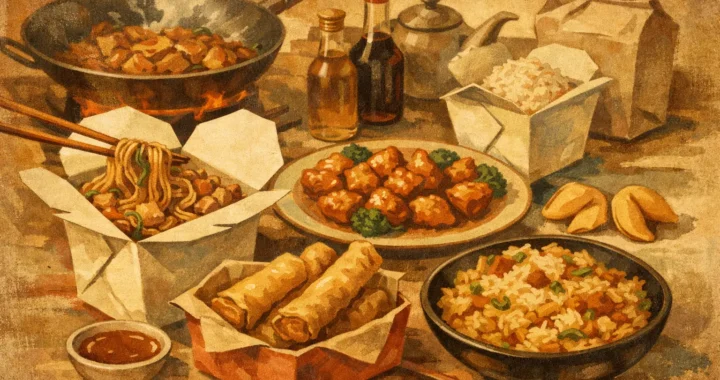
Some takeout sounds good until it gets to your door. Fries go soft, salads wilt, and anything built for the plate instead of the box can feel like a letdown. Quick Asian takeout meals tend to hold up better, which is exactly why they work so well for busy lunches, weeknight dinners, and group orders when nobody wants the same thing.

The real advantage is range. One person wants sushi, another wants something warm and filling, someone else wants a rice bowl they can eat between meetings, and a kid just wants something familiar. A good Asian takeout menu can cover all of that without turning ordering into a long debate.

Why quick Asian takeout meals are an easy win

Speed matters, but speed by itself is not enough. The best quick takeout meals also travel well, stay satisfying after a short drive home, and give people options that feel better than another burger run. That is where Asian menu formats stand out.

Rice bowls, poke, sushi rolls, ramen, udon, and appetizers are built for variety. They also make it easier to order for a mixed group. If you are feeding coworkers, family, or roommates, you do not need everyone to agree on one type of meal. You just need a menu broad enough to let each person get what they want.

That flexibility matters even more when some people know exactly what they like and others are still figuring it out. Sushi fans may go straight for nigiri or sashimi, while beginners may prefer a cooked roll, a bowl, or noodles. Neither choice feels like a compromise when the menu is set up well.

The best types of quick Asian takeout meals

Not every dish handles takeout the same way. Some are best eaten right away, while others are still excellent after a few extra minutes in the car. Knowing what usually travels best can make your order a lot more satisfying.

Sushi rolls and beginner-friendly sushi

Sushi is one of the most reliable takeout choices when you want something quick that does not feel heavy. Rolls are easy to portion, easy to share, and easy to pair with other items. For a light lunch, a simple roll and soup can be enough. For dinner, adding a second roll or an appetizer turns it into a full meal without much effort.

For newer sushi eaters, cooked rolls or more familiar combinations make the decision easier. That matters for group ordering because nobody wants to spend ten minutes explaining raw fish to a hesitant friend. A menu that includes approachable sushi options removes that friction.

Nigiri and sashimi can also be great takeout picks for experienced sushi diners, but they are a little more dependent on timing. If you know you are eating soon after pickup, they make sense. If dinner might sit for a while, rolls are usually the safer play.

Rice bowls and poke

Rice bowls are one of the most practical takeout meals on any menu. They travel well, stay warm, and feel complete on their own. You have protein, rice, toppings, and sauce all in one container, which makes them a dependable lunch when you need something filling without overthinking it.

Poke works in a similar way, just on the cooler, fresher side. It is a smart option when you want something quick but not too heavy, especially in the middle of the day. Bowls are also easy to customize around preferences, which helps when one person wants seafood, another wants chicken, and someone else is just trying to keep things simple.

Ramen and udon

Noodle soups are comfort food, plain and simple. They are especially good for colder days, late dinners, or the kind of lunch that needs to carry you through the rest of the afternoon. Ramen and udon can be excellent takeout choices, though they do depend on packaging and timing a bit more than a bowl or roll.

If you are eating soon after pickup, noodles and broth are hard to beat. If you know there may be a delay, bowls or sushi can be a safer choice. It depends on whether you are ordering for immediate dinner or planning around a schedule.

Appetizers that round out the order

A lot of takeout meals get better with one extra item. Gyoza, edamame, soups, tempura, or a simple side can turn a decent order into one that feels complete. This is especially useful for families or groups, where a couple shared appetizers make the meal more flexible.

The trade-off is that fried items are best when eaten fairly quickly. They can still be worth ordering, but they are not always the best star of the meal if the drive home is longer. As add-ons, though, they do exactly what they need to do.

How to order for different situations

The best takeout choice depends on what the meal needs to do. Lunch has different priorities than dinner, and solo orders are different from feeding a whole table.

For a fast work lunch

Keep it simple. Bowls, poke, and sushi roll combos are usually the easiest to eat and the least messy between meetings or errands. They also portion well, so you are less likely to end up with a lunch that feels too heavy for the middle of the day.

If you need something especially quick and familiar, a smaller bowl or a basic roll-and-soup combo tends to make sense. You get enough food to stay full without slowing down the rest of your afternoon.

For family dinner

Variety matters more than anything. One of the biggest strengths of Asian takeout is that you can combine noodles, rice bowls, sushi, and appetizers in one order. That makes it easier to cover adults, kids, adventurous eaters, and anyone who just wants a dependable favorite.

This is where a broad menu really helps. At O’Sae Colorado, for example, the mix of sushi, ramen, bowls, appetizers, and Indonesian dishes gives families room to build a dinner that does not feel repetitive.

For group orders with mixed tastes

Go balanced. Order a few shareable appetizers, then let people choose between sushi, bowls, or noodles. This works better than trying to force one category on everyone. It also avoids the common office-order problem where half the group is excited and the other half is settling.

If you are ordering for people with very different comfort levels, include at least one beginner-friendly option alongside more traditional picks. That small choice makes the entire order easier.

What makes takeout feel worth it

Convenience gets people to order once. Reliability gets them to order again.

That means the food should be easy to choose, easy to transport, and easy to enjoy at home. Clear menu categories help. So does a setup where sushi beginners are not left guessing and regulars can still find the items they came for. A good takeout restaurant respects both kinds of customers.

It also helps when the menu gives people ways to scale their meal up or down. Maybe lunch is a mini bowl. Maybe dinner is ramen plus a side. Maybe the table wants rolls, soup, and a couple appetizers to share. Quick Asian takeout meals work best when they can match the moment instead of forcing every order into the same size and style.

Price plays a role too. People want convenience, but they also want to feel like they ordered smart. Menus that include lighter options, smaller bowls, or simple combinations make it easier to order often, not just occasionally.

A few smart choices before you place the order

If you want your takeout meal to land well, think about timing first. Sushi and poke are best when you plan to eat soon. Ramen and udon are great for immediate comfort. Rice bowls are the most forgiving if your schedule is less predictable.

Next, order for balance. If the main dishes are lighter, add an appetizer or soup. If you are ordering something rich and warm, a fresh side or a sushi roll can even things out. The best meals do not have to be large. They just need enough contrast to feel satisfying.

Finally, consider who is eating. The easiest group orders are the ones that mix familiar items with one or two more adventurous choices. That way, people can stay in their comfort zone or try something new without pressure.

Quick takeout should solve dinner, not create another decision problem. When the menu gives you sushi, bowls, noodles, and shareable sides in one place, it becomes much easier to order something everyone will actually want to eat. And on a busy day, that kind of meal is not just convenient. It is a relief.

Sashimi Platter for Beginners Made Simple

Sashimi Platter for Beginners Made Simple

Ordering a sashimi platter for beginners can feel a little high-stakes the first time. There is no crispy coating, no sauce-heavy cover, and no rice to make it feel familiar. It is just sliced fish, served simply, which is exactly why many first-timers hesitate. The good news is that sashimi does not require expert knowledge. You only need a basic sense of what you like, what to expect, and how to pace yourself.

Sashimi is one of the most direct ways to taste seafood. That can sound intimidating, but it is also what makes it approachable when the platter is chosen well. A good beginner platter is not about showing off the rarest fish in the case. It is about balance, comfort, and a few easy wins that help you notice texture and flavor without feeling like you are taking a test.

What sashimi actually is

Sashimi is thinly sliced raw fish or seafood served without rice. That is the main difference between sashimi and sushi, which often includes vinegared rice. If you have had nigiri before, you are already close to the sashimi experience. Remove the rice, and the fish becomes the full focus.

That simplicity changes how people experience the meal. With sashimi, texture matters more. Temperature matters more. Even the order you eat each piece can make a difference. None of that means you need rules for every bite. It just means the fish has less to hide behind, so a well-built platter should start with milder, friendlier options.

How to choose a sashimi platter for beginners

A beginner-friendly platter should feel varied but not random. You want enough contrast to keep things interesting, but not so much that one bold piece makes the rest harder to appreciate.

Start with fish that are known for clean, mild flavor. Salmon is usually the easiest entry point because it is buttery, soft, and familiar to people who already like cooked salmon. Tuna is another common starting point, especially if it is a leaner cut with a clean finish rather than a rich, fatty one. Yellowtail often works well too. It has more richness than lean tuna but is still smooth and accessible.

White fish can be a good addition, but it depends on the person. Some beginners love the lighter, delicate taste. Others find it harder to read because it is subtle. If you are building confidence, it helps to have at least one richer fish and one milder fish on the plate so you can compare them side by side.

A good first platter usually avoids going too far into strong briny flavors, chewy textures, or highly specialized cuts. That means octopus, surf clam, or strongly oceanic selections may be better as a second or third visit choice. They are not bad picks. They are just not always the most welcoming place to begin.

What each common fish tastes like

If the menu lists several sashimi options and you are not sure what to order, it helps to think in plain terms.

Salmon is rich, soft, and slightly buttery. It is often the safest pick for someone new to raw fish.

Tuna can vary. Lean tuna is clean and meaty, almost steak-like in structure. Fatty tuna is softer and richer, but that is not always the cut served on a basic platter.

Yellowtail is smooth, mild, and lightly sweet. Many people who want something a little more flavorful than tuna end up liking yellowtail.

Snapper or other white fish tends to be delicate, lean, and subtle. These pieces can be refreshing, especially between richer bites.

Scallop, when offered as sashimi, is sweet and tender with a softer texture. Some beginners love it right away. Others prefer fish first because shellfish can feel different on the palate.

The main thing is this: mild does not mean boring, and rich does not always mean better. A balanced platter lets you figure out your preference without committing to one style.

How to eat sashimi without overthinking it

There is a lot of unnecessary pressure around eating Japanese food the “right” way. For a casual meal, the best approach is simple. Start with the lighter pieces and move toward the richer ones. That helps your palate notice the differences more clearly.

Use soy sauce lightly. A common beginner move is soaking each piece until it all tastes like salt. A quick dip is enough. If there is wasabi, start small. A little can brighten the fish, but too much will erase the flavor you are trying to notice.

Pickled ginger is useful as a reset between bites, not as a topping for every piece. If you like it, great. If you do not, you can leave it alone. There is no prize for using every garnish.

You also do not need chopstick skills to enjoy sashimi. If you are more comfortable asking for a fork, that is completely fine in a casual restaurant setting. The point is to enjoy your meal, not to perform expertise.

What beginners usually get wrong

The biggest mistake is ordering based on what sounds adventurous instead of what sounds appealing. If you already know you like richer seafood, start there. If you prefer lighter flavors, choose a platter with more tuna or white fish. There is no reason to force yourself into the most unfamiliar option on day one.

Another common mistake is treating sashimi like a race. Because the portions are small, people sometimes eat too quickly and miss the texture altogether. Take a second with each bite. Notice whether the fish feels silky, firm, buttery, or clean. That is where most of the enjoyment comes from.

Temperature can also surprise people. Sashimi should be cool, but not icy. If it tastes muted, the fish may be too cold for its flavor to come through right away. Waiting a minute between bites can actually help.

Then there is the expectation problem. Some people assume every piece should taste intense. Sashimi is often subtle. The appeal is not always boldness. Sometimes it is the clean finish, the soft texture, or the contrast between two neighboring cuts on the platter.

When a sashimi platter makes sense and when it might not

A sashimi platter is a great choice if you want to learn what different fish actually taste like. It is also a smart order when you already enjoy seafood and want a cleaner, lighter meal.

That said, it may not be the best first step for everyone. If raw texture is the main concern, nigiri can be an easier entry because the rice adds familiarity. If you are hungry and want something more filling, pairing sashimi with a roll, soup, or rice dish can make the meal feel more comfortable. There is no rule that says your first sashimi experience has to be all sashimi, all at once.

For groups, a mixed order often works best. One person can try a few pieces from the platter while still having a roll or noodle dish to fall back on. That makes the experience lower pressure, which is usually when people end up enjoying it more.

A simple way to order your first platter

If you are not sure what to ask for, keep it practical. Say you are new to sashimi and want a mix of mild, beginner-friendly fish. That gives the restaurant a clear direction. Most places that regularly serve both sushi fans and first-timers know how to build a plate that feels balanced instead of challenging.

At a casual spot like O’Sae Colorado, that kind of order fits the menu style well. The goal is not to turn dinner into a lesson. It is to help you find a few pieces you would happily order again.

If you end up loving salmon but not white fish, that is useful. If tuna feels too lean and yellowtail is your favorite, that is useful too. A first platter is less about having a perfect experience and more about narrowing down what suits your taste.

The best mindset for a first sashimi experience

Think of sashimi as a tasting, not a test. You do not need a trained palate or a long list of fish names memorized. You just need enough curiosity to try one bite at a time.

Some people become instant fans because they love the clean flavor and soft texture right away. Others need a couple of tries before it clicks. Both reactions are normal. A sashimi platter for beginners should make the experience easier, not more formal.

If you start with a balanced selection, use the condiments lightly, and give yourself room to have preferences, sashimi stops feeling intimidating pretty fast. The first good platter usually does the same thing any good meal should do – make you want to come back and order a little smarter next time.

A Guide to Sushi Menu Terms

A Guide to Sushi Menu Terms

You sit down, open the menu, and suddenly one craving turns into five questions. Nigiri or sashimi? Maki or hand roll? What does toro mean, and is hamachi cooked? This guide to sushi menu terms is here to make ordering easier, whether you already know your favorite roll or you are trying sushi for the first time.

At a casual neighborhood spot, the goal is not to impress anyone with vocabulary. It is to help you get food you actually want. Once you know a few core sushi terms, menus get a lot less confusing, and it becomes easier to mix familiar choices with something new.

Guide to sushi menu terms: start with the basics

The first thing to know is that sushi does not simply mean raw fish. In the most practical menu sense, sushi usually refers to items made with seasoned rice, often paired with fish, seafood, vegetables, or egg. Some sushi is raw, some is cooked, and some has no seafood at all.

Sashimi is the term that usually causes the most confusion. Sashimi is sliced raw fish or seafood served without sushi rice. If you want the cleanest, simplest version of a fish, sashimi is usually the category to look for. If you want rice with it, you are probably looking for nigiri or a roll instead.

Nigiri is a small hand-pressed piece of sushi rice topped with a slice of fish or another ingredient. If a menu lists tuna nigiri, salmon nigiri, or shrimp nigiri, that means each piece is rice on the bottom and the topping on top. It is one of the easiest ways to learn what different fish taste like because there is not much else competing for attention.

Maki usually means a rolled sushi item cut into pieces. Rice and fillings are wrapped in seaweed, then sliced. Depending on the restaurant, simple rolls and specialty rolls may both fall under the broad roll category, but the ingredients and size can vary a lot.

A hand roll, sometimes called temaki, is rolled into a cone shape instead of being sliced into rounds. It is meant to be picked up and eaten by hand. If you like texture, hand rolls are great because the seaweed tends to stay crisp.

Common sushi menu terms you’ll see most often

Once you understand the main formats, the next step is reading the fish and ingredient names. Some are Japanese terms, and some are simply menu shorthand.

Tuna may also appear as maguro. Fatty tuna is often called toro. Toro is richer and softer than standard tuna, and many people love it for that reason. The trade-off is that it is usually more indulgent and often pricier.

Salmon is usually just listed as salmon, though sometimes you may see sake on traditional menus. Yellowtail is often called hamachi. It has a mild, buttery flavor that works well for people who want raw fish without a very strong taste.

Shrimp is often ebi. In many sushi restaurants, ebi is cooked shrimp, not raw. That makes it a good pick for beginners or anyone who prefers cooked seafood.

Octopus is usually tako. Squid is ika. Both have a different texture than fish, so whether you like them often comes down to texture as much as flavor.

Egg sushi is tamago. It is a slightly sweet layered Japanese omelet, often served over rice as nigiri. If someone in your group wants a non-seafood sushi option, tamago is a simple place to start.

Crab can mean real crab or imitation crab, depending on the item. In many casual rolls, especially California-style rolls, crab usually means imitation crab unless the menu says otherwise. Neither is automatically better for every order. Real crab has a more delicate flavor, while imitation crab is familiar, slightly sweet, and common in beginner-friendly rolls.

Avocado, cucumber, cream cheese, tempura flakes, spicy mayo, and eel sauce are also common menu terms in rolls. These ingredients usually signal a more American-style specialty roll rather than a traditional minimalist sushi item. That is not a bad thing. It just means the experience will be fuller, heavier, and often more sauce-driven.

Raw, cooked, and fried: what to expect

A lot of people assume sushi means raw fish in every case, but menus usually offer a full range. If you prefer cooked items, you have plenty of room to order comfortably.

Look for shrimp tempura rolls, eel rolls, baked rolls, cooked scallop options, or rolls with imitation crab. Unagi, which is freshwater eel, is typically cooked and glazed with a sweet-savory sauce. It is a popular choice for people who want bold flavor without ordering raw fish.

Tempura means battered and fried. If a roll includes shrimp tempura or soft shell crab, expect crunch and a more filling bite. If a menu says a roll is baked, that usually means part of the topping has been baked or broiled, often with sauce. Those rolls can be especially approachable for new sushi diners.

Spicy does not always mean very hot. In many sushi menus, spicy usually means a chili-based mayo or sauce mixed into fish or drizzled over a roll. Heat levels vary. If you are sensitive to spice, it is worth asking, because one restaurant’s spicy tuna can be another restaurant’s mild lunch order.

How specialty rolls differ from simpler sushi

If you are deciding between nigiri, basic maki, and specialty rolls, the easiest way to think about it is this: nigiri highlights one topping, simple rolls balance a few ingredients, and specialty rolls layer on sauces, crunch, and multiple flavors.

A California roll is one of the best-known examples of a beginner-friendly maki roll. It usually includes imitation crab, avocado, and cucumber. A spicy tuna roll is another common staple, usually more straightforward than a house specialty roll covered in sauces.

Specialty rolls often have names unique to the restaurant rather than standard Japanese terms. That means the ingredients matter more than the name. A “dragon roll” at one place may resemble a version somewhere else, but it is smart to read the full description. Some are topped with avocado, some with eel, some with sauces, and some are much larger than a basic roll.

If you want clean flavor and lighter portions, nigiri or sashimi may be the better choice. If you want a filling, more familiar, sauce-forward meal, specialty rolls usually make more sense. It depends on whether you are in the mood for tasting the fish itself or enjoying a bigger combination of textures and toppings.

Rice, seaweed, and toppings in a sushi menu

Rice does a lot of work in sushi. It is seasoned, slightly tangy, and meant to balance the topping. If you are ordering sashimi instead of sushi, you are skipping that rice element entirely, which makes the fish taste more direct and less rounded.

Nori is the seaweed wrapper used in many rolls. Some rolls place the rice inside the nori, while others flip it so the rice is on the outside. Those inside-out rolls are common in American sushi menus and tend to feel more familiar to guests who are new to seaweed texture.

Sesame seeds, tobiko, masago, scallions, and sauces often show up as toppings. Tobiko and masago are fish roe, or fish eggs, used for texture and a salty pop. They are not always essential to the flavor of a roll, but they do change the bite.

You may also see wasabi, pickled ginger, and soy sauce served alongside sushi. Wasabi adds heat, ginger helps refresh your palate between bites, and soy sauce adds salt. A little goes a long way, especially with delicately flavored fish.

A practical way to order if you are new

If you are brand new to sushi, it helps to order one familiar item, one simple sushi item, and one wildcard. That gives you a range without committing your whole meal to an experiment.

For example, a cooked roll with shrimp tempura or crab gives you a comfortable starting point. Adding salmon nigiri or tuna nigiri lets you try a classic sushi format without too much complexity. Then you can add one specialty roll, sashimi selection, or appetizer based on what sounds good.

This is also where a broad menu helps. If one person wants sushi and another wants ramen, udon, or a rice bowl, everyone can still leave happy. That is part of what makes a neighborhood place like O’Sae Colorado easy for mixed groups. Nobody has to pretend to be a sushi expert to order well.

A final tip: read the ingredient list, not just the item name. Names can be fun, but the description tells you whether something is raw, cooked, spicy, fried, rich, or simple. Once you know a handful of terms, the menu starts working for you instead of against you, and ordering gets a lot more enjoyable.

12 Best Sushi Sides to Order

12 Best Sushi Sides to Order

Ordering sushi gets a lot easier once you know the best sushi sides to order. A good side can lighten a rich roll, make sashimi feel more complete, or give the table something warm and familiar while everyone picks their favorites. If you’re ordering for a group, sides also help cover different tastes without making the meal complicated.

The right choice depends on what kind of sushi you’re getting. Crispy tempura rolls, simple nigiri, beginner-friendly rolls, and sashimi all pair differently. Instead of adding random extras, it helps to think in terms of balance – warm with cold, crisp with soft, and rich with clean flavors.

How to choose the best sushi sides to order

If your sushi order is already rich, such as rolls with spicy mayo, eel sauce, cream cheese, or tempura shrimp, lighter sides usually work better. Seaweed salad, miso soup, or edamame keep the meal from feeling too heavy. They add texture and flavor without competing with the sushi.

If your order is simpler, like salmon nigiri, tuna sashimi, or a basic cucumber roll, you have more room to add something warm or savory. Gyoza, tempura, or a small rice dish can make the meal feel more filling. This is especially useful at lunch or when sushi is dinner rather than a snack.

It also matters who you’re ordering for. If one person loves raw fish and another is just getting started, shared sides can bridge the gap. A table with edamame, dumplings, and soup feels more approachable than a table of sashimi alone.

Edamame is the easiest safe pick

If you want one side that works with almost any sushi order, start with edamame. It is simple, warm, lightly salted, and easy to share. It also gives the table something to snack on while rolls arrive, which is helpful if you are ordering several items at once.

Edamame pairs well with nearly everything because it does not overpower delicate fish. It is a better match for sushi than heavily seasoned appetizers when you want the fish and rice to stay the focus. For first-time sushi diners, it is also familiar enough to feel low-pressure.

Miso soup adds warmth without heaviness

Miso soup is one of the best sushi sides to order when you want the meal to feel complete but not oversized. It gives you something warm before cold sushi, which can make the whole order feel more balanced, especially on a cooler day or during lunch.

Because miso soup is light, it fits well with sashimi and nigiri. It can also help offset richer rolls by giving your palate a break between bites. If you already have fried appetizers coming, soup is often the smarter second side than adding another crispy dish.

Seaweed salad brings brightness and texture

Seaweed salad is a strong choice when your sushi order leans rich or creamy. It adds a cool, slightly tangy contrast that works especially well with spicy tuna rolls, tempura rolls, and baked rolls. The texture also helps because sushi can otherwise feel very soft from one item to the next.

This is one of the better sides for people who want something refreshing but not plain. It has more personality than a basic salad, yet it still supports the sushi instead of taking over the meal. If your table is ordering a mix of classic and more indulgent rolls, seaweed salad usually fits right in.

Gyoza makes sushi dinner more filling

Sometimes sushi sounds good, but you know rolls alone will not be enough. That is where gyoza comes in. Pan-fried dumplings add a savory, comforting element that turns a lighter sushi order into an actual dinner.

Gyoza is a good pick if you are ordering simpler rolls, vegetable rolls, or a modest lunch combination. It is also useful for mixed groups because not everyone wants to start with raw fish. The trade-off is that dumplings are more filling and more heavily seasoned than soup or edamame, so they can overshadow delicate nigiri if you order too much.

Tempura works best when the rest of the meal is light

Tempura can be a great side, but it helps to be selective. If your sushi order is mostly sashimi, cucumber rolls, tuna rolls, or other clean flavors, a side of tempura adds crunch and warmth in a satisfying way. It gives the meal more contrast and can make a lighter order feel complete.

If your sushi is already fried or covered in sauce, though, tempura can push the meal into heavy territory fast. That does not make it a bad choice. It just means it works better when the rest of the table is ordering simpler items. For takeout, tempura is also best enjoyed quickly so it stays crisp.

House salads are underrated with sushi

A simple house salad is not the most exciting side on the menu, but it can be one of the smartest. When your order includes specialty rolls, fried appetizers, or richer proteins, a fresh salad resets the meal and keeps everything from blending together.

This is also a practical choice if you want something lighter at lunch. A salad plus a roll or two can hit the right balance without leaving you overly full. If you are ordering for a workday meal, that can matter more than people expect.

Shumai and similar appetizers suit mixed groups

Steamed appetizers like shumai are useful when the table wants a shareable side that feels a little more substantial than edamame but not as heavy as tempura. They are soft, savory, and easy to pair with beginner-friendly sushi choices.

These kinds of sides work best in group orders where people want options. They are less about perfect pairing with a specific roll and more about making the meal more flexible. If someone at the table is not sure about sushi yet, familiar appetizers help them settle in.

Rice bowls and mini bowls can round out a light order

There are times when sushi is only part of the plan. Maybe one person wants nigiri, another wants a cooked dish, or maybe you know a couple rolls will not quite do it. In those cases, a small rice bowl or mini bowl can be a practical add-on.

This is especially helpful for families, students, or anyone ordering with different appetites in mind. The key is portion awareness. A bowl can turn a sushi meal into a much heavier order, so it makes more sense when the sushi choices are lighter or when the group wants variety more than a strict sushi-only dinner.

Noodle sides are better for shared meals than tight pairings

Ramen or udon is usually not thought of as a sushi side, but in a casual restaurant setting, it can make sense. If your group wants both sushi and comfort food, a noodle dish can round out the table and make sure everyone leaves happy.

This is less about classic pairing and more about real-life ordering. Not every meal needs to be purist. If one person wants sashimi and another wants something warm and filling, combining categories is often the most practical move. That is part of what makes a broad menu useful in the first place.

What to order with specific sushi styles

If you are ordering sashimi or nigiri, stick with sides that stay out of the way. Miso soup, seaweed salad, and edamame are your safest bets. They support the meal without covering up the cleaner taste of the fish.

If you are ordering specialty rolls with sauce, crunch, or fried ingredients, choose something fresh or simple. Seaweed salad and house salad usually do more for balance than adding another fried item.

If you are new to sushi, start with approachable sides. Edamame, gyoza, and soup make the meal feel familiar. That can make it easier to try a beginner roll without feeling like the whole order is a leap.

If you are feeding a group, think in layers. One warm side, one light side, and one shareable appetizer usually creates enough variety. At O’Sae Colorado, that kind of mix works well because the menu is broad enough to keep both sushi regulars and first-timers comfortable.

A few sides are worth skipping sometimes

Not every side improves every order. If you already have multiple fried rolls, another fried appetizer can make the whole meal feel one-note. If you are ordering delicate fish, a very bold or saucy side may distract more than it adds.

That is why the best sushi sides to order are not always the richest or most popular ones. The best side is often the one that fills a gap in the meal, whether that means adding crunch, warmth, freshness, or enough substance to satisfy everyone at the table.

A good sushi order does not need a lot of extras. It just needs the right ones. Choose sides that make the meal easier to enjoy, easier to share, and a little more satisfying from the first bite to the last.

Guide to Indonesian Restaurant Dishes

Guide to Indonesian Restaurant Dishes

You do not need to know every regional specialty to order well. A good guide to Indonesian restaurant dishes starts with a simple idea: Indonesian food is big on balance. You will often get savory, sweet, spicy, rich, fresh, and crunchy elements in the same meal. If you usually order sushi, ramen, or rice bowls and want to try something different without guessing, Indonesian dishes are a very easy next step.

For many diners, the menu names are the only barrier. Once you know what a few core dishes are, ordering gets much easier. Indonesian restaurant food tends to be rice-based, deeply seasoned, and built for comfort. Some plates are smoky from the grill, some are warming and stew-like, and some bring heat that builds gradually instead of hitting all at once.

How to use this guide to Indonesian restaurant dishes

The easiest way to read an Indonesian menu is to look for the format first, then the flavor. Ask yourself whether you want fried rice, noodles, skewers, soup, or a plated entrée with rice. That one choice narrows things down fast.

After that, pay attention to a few common flavor cues. Peanut sauce usually means a nutty, lightly sweet, savory profile. Sambal means chile heat, though the spice level depends on the kitchen. Coconut milk often signals a richer, smoother dish. Soy-based sauces can lean sweet or salty, and many Indonesian dishes use both at the same time.

If you are ordering for a group, Indonesian food works especially well because it gives you variety without feeling random. One person can get noodles, another can choose grilled skewers, and someone else can stay in familiar territory with rice and chicken.

The dishes most people should know first

Nasi goreng

Nasi goreng is one of the best entry points on any Indonesian menu. It is Indonesian fried rice, usually cooked with seasoning that gives it a deeper, more savory flavor than standard takeout fried rice. You may see it served with chicken, shrimp, beef, or a mix of proteins, and it is often topped with a fried egg.

What makes nasi goreng stand out is its balance. It can be a little sweet, a little smoky, and a little spicy all at once. If you like rice bowls or hibachi-style rice dishes, this is a very safe place to start.

Mie goreng

If rice is not your first choice, mie goreng is the noodle version worth knowing. These stir-fried noodles are usually seasoned similarly to nasi goreng but with a softer, more slurpable texture. Depending on the kitchen, the noodles may be springy and light or a little richer and more sauce-coated.

Mie goreng is a solid pick for diners who like lo mein, yakisoba, or stir-fried udon. It feels familiar, but the Indonesian seasoning gives it a distinct identity.

Satay or sate

Satay is one of the most recognizable Indonesian dishes for a reason. Skewered meat, often chicken or beef, is grilled and served with sauce, frequently peanut-based. It is simple, satisfying, and easy to share.

The key thing to know is that not all satay tastes the same. Some versions are sweeter and more caramelized from the grill. Others have more spice or more pronounced peanut flavor. If you want something approachable but not plain, satay is hard to miss.

Rendang

Rendang is often the dish people remember. It is usually beef cooked slowly with spices and coconut milk until the sauce reduces and the flavor concentrates. The result is rich, deeply savory, and layered rather than sharp.

This is a better choice when you want a hearty entrée, not a light lunch. If you like braised meats, curries with depth, or slow-cooked comfort food, rendang is usually a strong order.

Gado-gado

Not every Indonesian meal is heavy. Gado-gado is a vegetable-forward dish, often built with steamed or blanched vegetables, tofu, tempeh, egg, and peanut sauce. It can eat like a salad, but it is much more filling than most people expect.

This is a good option if you want something balanced and not too rich. The peanut dressing still gives it substance, so it does not feel like a side dish pretending to be dinner.

Soto

Soto is a soup category, not one exact recipe. You may see chicken-based or beef-based versions, sometimes with noodles, rice, herbs, or fried toppings. In general, soto gives you a lighter but still flavorful meal.

If you want warmth without the weight of a fried or grilled plate, soto is worth a look. It is especially practical when you are choosing between noodle soup and a rice-based entrée.

What flavors to expect from Indonesian food

A lot of first-time diners expect Indonesian dishes to be very spicy. Some are, but many are not. The more accurate expectation is complexity. Sweet soy sauce, garlic, shallots, lemongrass, turmeric, coriander, chile, tamarind, lime, shrimp paste, coconut, and peanuts all show up across the cuisine.

That does not mean every plate is intense. It means even simple dishes tend to have more going on than one-note salty or spicy food. A fried rice dish may taste smoky, slightly sweet, and aromatic at the same time. A grilled skewer may bring char on the outside and a softer, sweeter sauce on the side.

Texture matters too. Indonesian meals often mix crisp garnishes, tender proteins, chewy noodles, and fluffy rice in ways that keep each bite interesting. That is one reason these dishes work well for takeout and dine-in alike – they still feel complete.

How to order if you are new to Indonesian menus

If you want the lowest-risk first order, start with nasi goreng or satay. Both are broadly appealing, filling, and easy to understand. They also pair well with familiar sides or appetizers if you are mixing cuisines in one meal.

If you want something richer and more distinctive, go with rendang. Just know that it is heavier and more concentrated in flavor, so it may not be the best pick if you want something light in the middle of the workday.

If you usually prefer noodles over rice, order mie goreng. If you want vegetables and protein in one plate without feeling like you settled, choose gado-gado. If you are in the mood for a soup-based meal, soto makes more sense than forcing yourself into a dry entrée.

Spice tolerance is where it really depends. Some kitchens keep heat moderate unless you ask for more. Others build spice directly into the dish. If you are unsure, ask whether the dish is naturally spicy or whether heat can be adjusted. That small question can save you from ordering something much hotter than expected.

A few menu terms that help

Rice dishes often start with nasi. Noodle dishes often start with mie. Goreng usually means fried or stir-fried. Soto points to soup. Satay or sate means skewered grilled meat. Once you recognize those patterns, the menu becomes much less intimidating.

Protein names may also be listed directly, like chicken, beef, shrimp, tofu, or tempeh. Tempeh is especially common in Indonesian cooking and has a firmer texture than tofu with a nuttier taste. If you want a meat-free option that still feels substantial, tempeh is worth trying.

Why Indonesian dishes work well in a mixed-group meal

One reason Indonesian food fits casual dining so well is that it solves the group-order problem. Not everyone wants raw fish, broth, or the same level of spice. Indonesian dishes give you grilled items, rice plates, noodles, vegetable-based meals, and richer slow-cooked entrées without making anyone feel boxed in.

That is also why a Taste of Indonesia section makes sense on a broader Asian menu. It gives regulars something new to try while staying approachable for guests who just want a solid, satisfying meal. At a place like O’Sae Colorado, that can be the difference between one person getting sushi and another finally trying nasi goreng without the whole table having to agree on one cuisine.

The best first move

If you are scanning an Indonesian menu and do not want to overthink it, choose the dish format you already know you enjoy, then let the seasoning do the rest. Fried rice, noodles, skewers, soup, or a slow-cooked beef dish are all practical ways in. Once you find one favorite, the rest of the menu stops looking unfamiliar and starts looking like dinner.

Trying Indonesian Food First Time? Start Here

Trying Indonesian Food First Time? Start Here

The first surprise when you’re trying Indonesian food first time is that it may feel familiar and completely new at once. You might notice grilled meats, fried rice, noodles, skewers, and rich sauces that sound approachable, then taste layers of sweet, savory, spicy, and smoky flavors you do not usually get in one bite. That is usually what makes Indonesian food such a good choice for people who want to try something different without ordering too far outside their comfort zone.

If you are looking at an Indonesian section on a menu and wondering where to begin, the good news is you do not need to know every dish name to order well. A few basics will make the whole experience easier.

Trying Indonesian food first time: what to expect

Indonesian food is not one single flavor profile. It pulls from many regional traditions, which means one dish may lean sweet and soy-based while another is brighter, spicier, or more aromatic with herbs and spices. For a first-time diner, that variety is a plus, but it can also make the menu feel harder to read.

The easiest way to think about it is this: expect balance. Many Indonesian dishes combine depth, heat, sweetness, and texture in a way that feels full without being fussy. Rice is a staple. Grilled and fried items are common. Peanut sauce, sambal, soy-based sauces, and spice blends often play a big role.

That does not mean every dish is hot. Some are spicy, some are mild, and some can go either way depending on how they are prepared. If you do not love heat, it is worth asking before you order. Indonesian food can be very approachable for mild eaters, but spice tolerance matters more with some dishes than others.

Start with dishes that feel easy to read

When people are trying Indonesian food first time, the best move is usually not the most adventurous dish on the menu. It is the dish that gives you a clear sense of the cuisine without asking you to guess what is on the plate.

Fried rice is one of the easiest entries. If you see nasi goreng, think of it as Indonesian fried rice with more savory depth and often a little sweetness. It can come with protein, vegetables, and a richer seasoning profile than the takeout fried rice many people already know. It is filling, familiar, and a smart first order if you want a low-risk choice.

Noodle dishes are another easy starting point. If a menu offers Indonesian-style noodles, they are often satisfying in the same way ramen, stir-fried noodles, or lo mein are satisfying, but with a different seasoning base. You still get that comfort-food effect, which helps if you are new to the cuisine.

Skewered grilled meats are also beginner-friendly. Satay is often the dish that wins people over fast. The grilled meat is straightforward, and the peanut sauce adds the part that feels distinctly Indonesian. If you like grilled chicken or beef and enjoy nutty, savory sauces, this is an easy yes.

Flavor notes that help you order better

A lot of first-time hesitation comes from not knowing what the dish will actually taste like. Menu descriptions help, but a few broad flavor notes can give you more confidence.

Sweet soy is common in Indonesian cooking, so some dishes have a darker, slightly caramelized flavor. Peanut sauce can be creamy, salty, sweet, and mildly spiced all at once. Sambal is the one to watch if you are sensitive to heat. It is a chili-based condiment or sauce, and while the spice level varies, it is usually where the stronger kick comes from.

You may also notice dishes with a lot of contrast. Crispy textures with soft rice. Rich grilled meat with fresh cucumber or herbs. Savory depth with a hint of sweetness. If you usually like meals that do more than one thing at a time, Indonesian food tends to reward that.

The trade-off is that bold flavor can feel like a lot if you are expecting something plain. If you are a very cautious eater, start with grilled items, rice-based dishes, or anything described in simple terms. You can always branch out next time.

What first-time diners usually enjoy most

There is a reason some dishes become first-order favorites. They give you a real taste of the cuisine without putting too much pressure on the decision.

Rice dishes tend to work for almost everyone because they are filling and easy to understand. Skewers and grilled meats work well for groups because they are shareable and recognizable. Fried options often appeal to diners who like crispy, comforting food. If you are eating with people who want different things, Indonesian selections can also sit well beside sushi, noodle soups, or rice bowls because the formats do not feel out of place together.

That matters for casual dining. Not every group wants to commit to one narrow style of food, and not every first-time diner wants a full culinary lesson with dinner. Sometimes people just want something that tastes good and feels manageable. That is where Indonesian menu items really help.

At a place like O’Sae Colorado, having a Taste of Indonesia section alongside sushi, ramen, and rice bowls makes it easier for one table to mix comfort picks with something new. One person can order familiar favorites while another tries Indonesian food for the first time without turning the whole meal into a gamble.

How to order if you are unsure

If you are standing at the counter, browsing online, or skimming a menu on your phone, keep it simple. Start by choosing your base comfort zone. For most people, that is rice, noodles, grilled meat, or fried appetizers. Then look for the Indonesian dish that fits closest to that preference.

If you normally order fried rice, start there. If you are a skewer person, choose satay. If you like dishes with sauce, peanut-based options are often a safe first step. If spice is a concern, ask for mild recommendations or check whether sambal is added on top or served on the side.

Portion style matters too. A shareable appetizer can be the best first taste if you are hesitant. A full entree makes more sense if you already know you like savory grilled dishes, rice bowls, or noodle-based meals. There is no prize for picking the most traditional or most unfamiliar item first. The better move is ordering something you will actually enjoy.

Common mistakes people make the first time

The biggest mistake is assuming Indonesian food will be one-note spicy. It can be spicy, but it is often more balanced than that. If you skip it because you think everything will be hot, you may miss dishes that are rich, sweet-savory, and mild.

Another mistake is overthinking authenticity instead of paying attention to your own preferences. For first-time ordering, the practical question is not whether the dish is the most advanced choice on the menu. It is whether it matches what you like to eat. Starting with an easier dish does not mean you are doing it wrong.

People also sometimes ignore sauces and condiments. That is where a lot of the personality shows up. If sambal comes on the side, try a little before mixing it into everything. If peanut sauce is included, use it. These additions can change the whole plate.

Why Indonesian food works well for beginners

Some cuisines are amazing but hard for new diners to decode from a quick menu glance. Indonesian food often lands in a better middle ground. The ingredients and formats can be approachable, but the flavors still feel different enough to be interesting.

That is a big reason it works well in a neighborhood restaurant setting. You do not need a special occasion, a long explanation, or a perfect pronunciation of every dish. You just need a starting point that makes sense. Once you find one Indonesian dish you like, the second visit gets easier. You begin to notice which sauces you prefer, how much heat you want, and whether you lean more toward rice, noodles, grilled items, or fried snacks.

That familiarity builds fast. For many people, Indonesian food goes from question mark to regular order in one or two meals.

Your best first move

If you are curious but undecided, go with the dish that sounds closest to something you already enjoy, then let the sauce, seasoning, and sides show you what makes it Indonesian. That way, the meal feels easy from the start, and you still get the fun part – tasting something you will probably want again.

12 Rice Bowl Lunch Ideas That Actually Work

12 Rice Bowl Lunch Ideas That Actually Work

Lunch gets harder when you need it to be fast, filling, and something you actually want to eat at 1 p.m. That is why rice bowl lunch ideas keep showing up in busy weekday routines. They are easy to customize, simple to prep ahead, and flexible enough for everything from a light lunch at work to a bigger meal after a long morning.

A good rice bowl solves a few problems at once. You get a base that holds up well, protein that keeps the meal satisfying, vegetables for texture and balance, and a sauce that pulls the whole thing together. It is also one of the easiest lunch formats for mixed preferences. One person wants salmon, another wants chicken, and someone else just wants avocado, cucumber, and a soft-boiled egg. A rice bowl can handle that without turning lunch into a project.

What makes rice bowl lunch ideas so useful

The biggest advantage is range. Rice bowls can lean Japanese, Korean-inspired, poke-style, or just plain practical with whatever you already have in the fridge. They can be warm or cold. They can feel fresh and light or comforting and hearty.

They also travel well, which matters if lunch means a desk, a campus table, or a quick break between errands. Some meals fall apart by the time noon arrives. Rice bowls usually do not. The rice stays sturdy, the toppings stay separate if packed right, and the sauce can be added at the end so nothing gets soggy.

There is a cost benefit too. Rice stretches ingredients without making lunch feel skimpy. A smaller amount of salmon, beef, tofu, or shrimp can still feel complete when it is paired with rice, vegetables, and a flavorful topping.

12 rice bowl lunch ideas for real weekdays

1. Teriyaki chicken rice bowl

This is the dependable one. Grilled or sautéed chicken over white or brown rice with steamed broccoli, shredded carrots, and a spoonful of teriyaki sauce works because it covers all the basics without trying too hard. If you want more crunch, add sliced cucumber at the end instead of cooking everything together.

2. Spicy salmon bowl

Cooked salmon works well for meal prep, but this bowl can also take on a poke-style feel if that is your preference. Pair salmon with rice, avocado, cucumber, edamame, and a spicy mayo or chili sauce. If you like lunch with a little heat but not a lot of heaviness, this one hits a good middle ground.

3. Beef and kimchi rice bowl

This option has more punch. Thin-sliced beef, sautéed onions, rice, and a small amount of kimchi give you salt, spice, and richness in one bowl. A fried egg on top makes it feel more substantial. The trade-off is that kimchi has a strong aroma, so this may be better for lunch at home than in a quiet office break room.

4. Tofu veggie bowl

A tofu bowl is one of the easiest ways to keep lunch lighter without ending up hungry an hour later. Crispy tofu, rice, roasted zucchini, mushrooms, spinach, and a soy-ginger sauce work well together. The key is seasoning the tofu properly. Plain tofu in plain rice is not lunch. It is a missed opportunity.

5. Shrimp cucumber bowl

For a cooler, fresher lunch, try shrimp with rice, cucumber, shredded cabbage, avocado, and sesame seeds. A citrusy soy dressing helps here. This is a good choice if you want something filling that still feels clean and easy, especially during warmer months.

6. Chicken katsu-style rice bowl

If lunch needs to feel a little more satisfying, a katsu-style bowl gets there fast. Breaded chicken, rice, cabbage, and a drizzle of katsu sauce create a crunchy, savory bowl that feels like comfort food. It is not the lightest option on the list, but some days that is the point.

7. Egg and avocado rice bowl

This is a strong option for simple lunches with minimal prep. Start with rice, then add sliced avocado, a jammy soft-boiled egg, scallions, and a splash of soy sauce or sesame oil. It is affordable, quick, and better than it sounds if you use good rice and a little seasoning. If you need more protein, add edamame or grilled chicken.

8. Bulgogi-inspired beef bowl

Sweet-savory beef over rice with carrots, spinach, and cucumber makes a solid work lunch. This bowl tends to please people who want bold flavor without too much spice. It also reheats well, though the fresh vegetables are better packed separately if you are preparing it in advance.

9. Poke-style tuna bowl

If you like a lunch that feels fresh and customizable, this is one of the best rice bowl lunch ideas to keep in rotation. Tuna, sushi rice, cucumber, seaweed salad, edamame, avocado, and a drizzle of spicy mayo or ponzu give you a lot of texture without making the bowl complicated. The one caution is freshness. If you are using raw fish, this is not the kind of lunch to leave sitting around all morning.

10. Indonesian-inspired chicken bowl

A rice bowl does not have to stay in one lane. Grilled chicken with a slightly sweet and savory glaze, rice, pickled vegetables, and a touch of chili sauce gives lunch a different direction without making it unfamiliar. At O’Sae Colorado, that broader Asian mix is part of what makes lunch easier for groups with different cravings.

11. Veggie tempura rice bowl

This bowl is best when you want a little crunch and do not mind packing components separately. Rice, tempura vegetables, cucumber, and a light soy-based sauce can make lunch feel less routine. The downside is texture. Tempura does not stay crisp forever, so this is better ordered fresh or assembled just before eating.

12. Mini bowl and add-on lunch

Not every lunch needs to be oversized. A smaller rice bowl with one protein and one or two toppings can be the right move if you want something quick and satisfying without the afternoon slump. This works especially well when you pair it with a soup, salad, or a simple side. If your appetite changes from day to day, this format gives you flexibility.

How to build better rice bowl lunches

The best bowls usually follow a simple structure. Start with rice that is cooked well and seasoned lightly if needed. Add a protein that has actual flavor on its own, not one that depends entirely on sauce. Then bring in vegetables with different textures, like crunchy cucumber, soft avocado, roasted broccoli, or quick-pickled carrots.

Sauce matters more than people think, but too much can ruin the bowl. A good rule is enough to coat, not enough to pool at the bottom of the container. Teriyaki, soy-ginger, spicy mayo, sesame dressing, or a light chili sauce all work, depending on the bowl.

Temperature matters too. Some bowls are best warm, like teriyaki chicken or katsu. Others are better cool, like poke-style or shrimp with cucumber. If you pack lunch ahead of time, build around how it will actually be eaten, not how it looks right after you make it.

Rice choices that change the whole lunch

White rice is the easiest all-around option because it has a neutral flavor and works with nearly everything. Sushi rice is especially good for poke-style and Japanese-inspired bowls because it has the right stick and texture. Brown rice gives you a nuttier flavor and a bit more chew, which some people prefer for heartier bowls.

If you want a lighter feel, you can use a smaller portion of rice and increase vegetables or protein. Cauliflower rice can work too, but it depends on the bowl. It tends to fit better with stronger sauces and cooked toppings than with delicate raw fish or lightly seasoned vegetables.

When ordering makes more sense than meal prep

Meal prep is useful, but it is not always realistic. Sometimes the better lunch plan is ordering a bowl that already gets the balance right. That is especially true when you want variety during the week or need a quick option that works for more than one person.

Rice bowls are one of the easier takeout lunches because they stay intact in transit and still taste good by the time you sit down to eat. They also work well for groups where one person wants sushi, another wants a warm rice bowl, and someone else wants noodles. Lunch gets simpler when everyone can order what they actually want without compromising the whole meal.

A smart lunch starts with a bowl you will finish

The best rice bowl lunch ideas are not the fanciest ones. They are the bowls that fit your day, hold up until lunch, and leave you satisfied without slowing you down. Start with one or two combinations you know you like, adjust the toppings as needed, and keep it practical. A reliable lunch does not need to be complicated to be good.

How to Choose Sushi Rolls That Fit Your Taste

How to Choose Sushi Rolls That Fit Your Taste

Staring at a sushi menu can get confusing fast. One roll is spicy, another is baked, another has tuna, avocado, cucumber, tempura flakes, and three sauces. If you have ever wondered how to choose sushi rolls without guessing, the easiest place to start is not with the fanciest name. Start with what you already know you like to eat.

How to choose sushi rolls without overthinking it

A good sushi order usually comes down to four things – protein, texture, sauce, and comfort level. If you like clean, simple flavors, a basic tuna or salmon roll may be a better fit than a sauce-heavy specialty roll. If you usually go for crunchy appetizers or fried foods, a tempura roll or a crunchy roll will probably feel more familiar.

This matters because sushi rolls can taste very different from each other, even when they look similar on the menu. Some are light and fresh. Some are rich and filling. Some lean spicy, and some are more about sweetness or creaminess. Choosing well is less about knowing sushi terminology and more about reading the ingredients with a little strategy.

Start with your comfort level

If you are brand new to sushi, there is no prize for ordering the most adventurous thing first. Go with ingredients you already trust. Cooked shrimp, crab mix, tempura, cucumber, avocado, and cream cheese are common starting points because they are familiar and easy to like.

For beginners, cooked rolls often feel more approachable than raw fish rolls. That does not make them better or worse. It just means the flavor is usually milder and the texture is easier if you are still getting used to seaweed, rice, and chilled seafood.

If you already enjoy sushi, then your choice can be more about balance. Maybe you want one clean roll and one richer roll. Maybe you know you like yellowtail but want to skip anything with eel sauce. The more familiar you are, the more helpful it is to think in combinations instead of single ingredients.

Beginner-friendly choices

A California-style roll is a common starting point for a reason. It is mild, soft, and usually includes ingredients that do not feel too far outside the norm. A shrimp tempura roll is another easy pick if you like a warm, crunchy center. Philadelphia-style rolls appeal to people who enjoy creamy textures, though the cream cheese can dominate the fish if you want a more traditional flavor.

If raw fish makes you hesitant, cooked rolls, veggie rolls, or simple maki can ease you in. Cucumber, avocado, and sweet potato rolls may sound plain, but they can be a good way to get used to the rice and seaweed before adding more complex flavors.

Choose by texture, not just flavor

One of the best ways to figure out how to choose sushi rolls is to think about texture first. A lot of people say they do not like a certain roll when what they really do not like is how it feels. Texture changes the whole experience.

Soft rolls tend to feature fish, avocado, rice, and little else. They are smoother, lighter, and often more delicate. Crunchy rolls usually include tempura shrimp, fried onions, tempura flakes, or cucumber. Those add contrast and can make sushi feel more familiar to someone who likes crisp foods.

Creamy rolls often come with spicy mayo, cream cheese, or avocado. These can be satisfying, but they are also heavier. If you want a fresher meal, too many creamy rolls in one order can start to taste repetitive. On the other hand, if you are ordering takeout and want something filling, a richer roll may hold up better and feel more substantial.

Pay attention to sauces

Sauce can make or break a roll. It can also completely change your impression of sushi if you are not expecting it.

Spicy mayo adds heat and creaminess. Eel sauce is sweet and savory. Ponzu brings brightness and a citrusy edge. Some baked or specialty rolls come with multiple sauces, which can be great if you like bold flavor, but not ideal if you want to taste the fish itself.

If you prefer clean flavor, look for rolls with fewer toppings and sauces. If you like richer, more restaurant-style bites, specialty rolls with drizzles and crunch may be exactly what you want. Neither choice is more correct. It depends on whether you want the ingredients to stand out or blend together into one bigger flavor.

When less is more

Simple rolls often give you the clearest sense of what you actually like. A salmon avocado roll tells you a lot more about your preferences than a deep-fried roll covered in three sauces. If you are still learning your favorites, ordering one simple roll alongside one specialty roll is a smart move.

That way, you get variety without committing the whole meal to one style.

Know your protein options

Protein is usually the first thing people look at, and that makes sense. Tuna, salmon, crab, shrimp, eel, and yellowtail all bring something different.

Salmon is rich and buttery, which makes it popular with first-time sushi diners trying raw fish. Tuna is cleaner and meatier. Yellowtail is smooth with a slightly richer flavor than tuna. Eel is cooked and usually paired with sweet sauce, so it lands well with people who like savory-sweet combinations. Shrimp can be cooked or tempura-style and is often an easy entry point.

Crab in many rolls is imitation crab, which is mild and slightly sweet. Plenty of people enjoy it, especially in beginner-friendly rolls. But if you are expecting the flavor of fresh lump crab, it will taste different. That is one of those small details that helps set expectations.

If you are deciding between raw and cooked, think honestly about what sounds appealing that day. Some people love raw fish in nigiri or sashimi but still prefer cooked ingredients in rolls because the sauces and extras pair better that way. Others want the cleaner taste of raw fish with minimal additions. Both are normal.

Consider how hungry you are

Not every sushi roll eats the same. Some are light enough for a quick lunch. Others feel more like a full dinner.

A basic tuna, cucumber, or avocado roll is usually lighter. A tempura roll, baked roll, or large specialty roll with sauce and cream cheese is much more filling. If you are ordering for one person and want a balanced meal, one lighter roll and one hearty roll often works better than two heavy choices.

This also matters if you are ordering with a group. If one person wants ramen, another wants poke, and someone else wants sushi, rolls with very rich toppings can make sense as a shareable item because they feel satisfying quickly. Lighter rolls are better if sushi is your whole meal and you want a cleaner finish.

Read the menu for clues

Menus usually tell you more than you think. Words like spicy, crunchy, tempura, baked, or deluxe are signals. They tell you whether a roll is likely to be rich, crisp, warm, or loaded with extras.

If a roll has a long ingredient list, expect a busier flavor. If it has just two or three ingredients, expect something more direct. Specialty house rolls are often built to impress and can be great when you want something fun. Traditional maki is better when you want to keep the meal simple and predictable.

At a place like O’Sae Colorado, where the menu is built for both sushi fans and beginners, that range is useful. It means you do not need to force yourself into one lane. You can order a familiar roll, try something more adventurous, and still keep the meal comfortable.

A few smart ordering combos

If you are unsure, pairing styles works better than ordering three similar rolls. A fresh roll plus a crunchy roll gives you contrast. A spicy roll plus a mild roll helps balance heat. A veggie roll next to a seafood roll keeps the meal from feeling too heavy.

This is especially helpful for takeout. Variety holds your attention longer, and you are less likely to get halfway through the meal and realize everything tastes creamy or sweet.

If you still cannot decide

When in doubt, choose one roll with ingredients you know and one with a small stretch. Maybe that means a California roll and a spicy tuna roll. Maybe it means shrimp tempura and salmon avocado. The goal is not to become a sushi expert in one meal. It is to order something you will actually enjoy.

The best sushi order feels easy once you stop trying to pick the most impressive thing on the menu. Choose based on flavor, texture, and how adventurous you want to be that day. Start there, and your next favorite roll usually finds you pretty quickly.