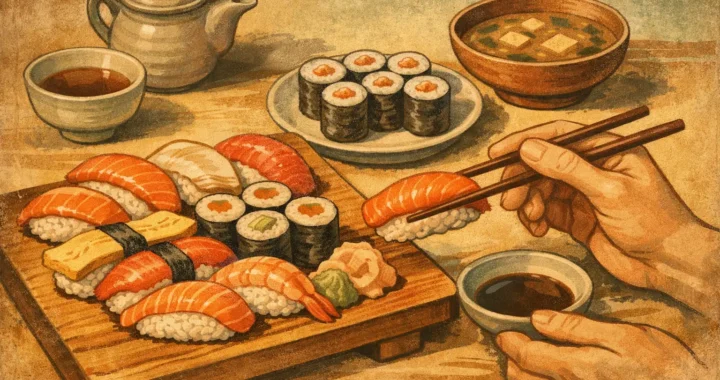
The hardest part of trying sushi for the first time is usually not the taste – it is the menu. If you are wondering what sushi should beginners order, the best answer is simple: start with mild flavors, familiar textures, and rolls or nigiri that do not ask too much from your palate all at once.
A lot of first-time sushi eaters assume they need to order the most traditional item on the menu to do it “right.” You do not. A good first sushi order should feel comfortable enough to enjoy, not like a test. Cooked fillings, lighter fish, and straightforward rolls are usually the best place to begin.
What sushi should beginners order on a first visit?
For most beginners, the easiest first order is a cooked roll, a California roll, or a simple piece of nigiri with a mild fish. These options give you the basic sushi experience without throwing you straight into stronger flavors or unfamiliar textures.
A California roll is often the entry point for a reason. It is usually made with imitation crab, avocado, and cucumber, so the flavor is mild, slightly sweet, and easy to recognize. If you already like crab salad, avocado, or fresh cucumber, this roll tends to feel approachable from the first bite.
Cooked shrimp rolls are another safe pick. Shrimp has a firmer texture than raw fish, and that alone makes a big difference for many first-timers. Tempura shrimp rolls are especially beginner-friendly because the crispy coating adds warmth and crunch, which can make sushi feel more familiar.
If you want to try nigiri, start with shrimp, eel, or salmon before moving into stronger choices. Eel is cooked and usually brushed with a sweet sauce, so it often surprises people who thought sushi would taste fishy. Salmon is raw in most nigiri preparations, but it is buttery and mild compared with more intense fish.
Start with flavors that feel familiar
The easiest way to order confidently is to think less about sushi categories and more about foods you already enjoy. If you like avocado, cucumber, crab, shrimp, rice bowls, or crispy textures, there is probably a sushi option that lines up with that preference.
That is why beginner sushi does not have to be raw. Some people love sashimi on day one. Others need a gentler start. Both are normal. Ordering cooked rolls first does not mean you are missing the real experience. It just means you are easing into it in a way that makes sense.
Familiar flavor combinations also help if you are eating sushi as part of a group meal. If one person wants ramen, another wants a rice bowl, and someone else wants to test out sushi for the first time, starting with easy rolls makes the whole meal less stressful.
Best sushi choices for beginners
If you are looking at a menu and want the short version, these are usually the safest categories to start with.
California rolls
This is the classic beginner roll. It is mild, balanced, and not heavy on seafood flavor. The avocado softens the texture, while cucumber keeps it fresh.
Shrimp tempura rolls
If you like crunchy, warm, and filling foods, this is often the easiest first step. It feels less delicate than raw fish rolls and gives you a familiar fried texture.
Cooked crab or baked rolls
Cooked seafood rolls work well for people who are open to sushi rice and seaweed but not ready for raw fish. Baked rolls can be especially appealing if you want something richer and warmer.
Salmon nigiri
For anyone curious about raw fish but unsure where to begin, salmon is often the best first bite. It is soft, mild, and less sharp in flavor than some other fish.
Shrimp nigiri or eel nigiri
These are good options if texture is your main concern. Shrimp is cooked and straightforward. Eel is soft, sweet, and often easier to like than people expect.
What beginners may want to skip at first
Not every sushi item is a bad choice for beginners, but some are simply more challenging on a first visit. That does not mean never order them. It just means they may be better as a second or third step.
Tuna can vary a lot depending on the cut and preparation. Some tuna is mild, but leaner or more traditional preparations can feel more direct and meaty than salmon. Mackerel, octopus, sea urchin, and strong pickled items can also be a lot if you are still getting used to sushi rice and seaweed.
Large specialty rolls with multiple sauces are another maybe. They can look easier because they seem less traditional, but sometimes they are so busy that you cannot tell what you are tasting. For a first order, simpler is usually better. You want to learn what you like.
How to build a beginner-friendly sushi order
If you are still unsure what sushi should beginners order, a balanced first order usually works better than putting all your confidence into one item. Try one familiar roll, one cooked option, and one simple piece of nigiri. That gives you variety without going overboard.
A good example would be a California roll, a shrimp tempura roll, and one or two pieces of salmon or shrimp nigiri. You get to compare textures, see whether you like seaweed on the outside of a roll, and decide whether raw fish feels exciting or not for you.
Sharing helps too. If you are dining with other people, order a few approachable rolls for the table instead of everyone choosing one separate item. That way you can try several styles without committing to a full plate of something unfamiliar.
Sauces, soy sauce, and wasabi matter more than people think
A lot of beginners blame sushi when the real issue is the seasoning. Too much soy sauce can overwhelm a delicate roll. Too much wasabi can make the whole bite feel harsh. A little goes a long way.
If you are new, start with a light dip of soy sauce or even try the first bite plain. That lets you taste the rice, filling, and fish without covering everything up. Add ginger between bites if you want to reset your palate. You do not need to use every condiment at once.
This is also where trade-offs come in. Some people genuinely prefer sushi with sauce-heavy rolls because it feels more flavorful right away. Others like cleaner, simpler bites. Neither is wrong. The point of a first order is figuring out which direction fits you.
Rolls, nigiri, and sashimi: what is easiest for beginners?
Rolls are usually the easiest place to start because they combine several ingredients in one bite. Rice, filling, and sometimes sauce or crunch make them feel balanced and less intense. They are a good fit if you want something approachable and filling.
Nigiri is the next step for many people. It is a slice of fish or shrimp over rice, so there is nowhere for the flavor to hide. That sounds intimidating, but with mild options like salmon, shrimp, or eel, it can actually be a clean and easy introduction.
Sashimi is usually best once you already know you enjoy the texture of raw fish. Since there is no rice to soften the experience, the flavor and texture are more direct. Some beginners love it immediately. Most people prefer to work up to it.
If you do not like your first sushi order
That does not mean you do not like sushi. It may just mean you started with the wrong texture, the wrong fish, or too much sauce. Sushi has a wider range than many first-timers expect.
Someone who does not enjoy raw tuna might still love a shrimp tempura roll. Someone who is unsure about seaweed might prefer nigiri. Someone who does not want sushi at all that day may be happier with a bowl of ramen and a shared beginner roll on the side. At a casual spot like O’Sae Colorado, that flexibility matters because not everyone at the table has to be in the same mood.
The easiest way to get into sushi is to let yourself start small. Order what sounds good, not what sounds impressive. A mild roll, a cooked option, or one simple piece of nigiri is enough for a first try. If you enjoy that first bite, the rest gets a lot easier.