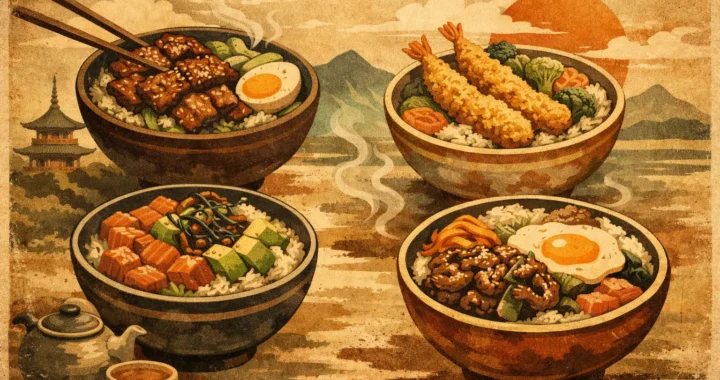
A rice bowl can solve the hardest group-order question: one person wants something filling, another wants fresh vegetables, and someone else is looking for a familiar protein with a good sauce. This guide to Asian rice bowls makes the choices easier, whether you are ordering a quick lunch, picking up dinner after work, or trying something beyond your usual sushi roll.
The basic idea is simple: rice, protein, vegetables, and sauce in one bowl. What makes the category worth coming back to is the range. A bowl can be light and bright, rich and savory, spicy, crunchy, or built around comfort-food flavors. There is no single “Asian rice bowl” formula, because Japanese, Korean, Indonesian, Hawaiian-inspired poke, and other regional cuisines each bring different ingredients and cooking styles to the table.
Start With the Kind of Meal You Want
Before looking at individual toppings, decide what you need the bowl to do. A warm bowl with grilled or braised protein is often the right call when you want a substantial dinner. A poke-style bowl can feel cooler and lighter, especially if you like raw fish, crisp vegetables, and a clean finish. A mini bowl is useful when you want a smaller meal, a side to share, or an easy add-on with sushi or soup.
For many diners, the best choice comes down to familiar versus adventurous. Chicken, beef, shrimp, or tofu are easy starting points if you are new to Asian rice bowls. If you already enjoy sushi, salmon or tuna in a poke bowl may be a natural next order. The ingredients may be new, but the format is not complicated: choose the flavors that sound good together and let the rice hold it all together.
A Guide to Asian Rice Bowls: Build From the Base Up
Rice is not just filler. It changes the texture, flavor, and overall weight of the bowl. Steamed white rice is soft, neutral, and ideal for soaking up savory sauces. It works well with almost any protein and is a safe option for picky eaters or families sharing several dishes.
Sushi rice is typically seasoned and a little stickier, which makes it a natural match for poke and sushi-inspired bowls. Its mild tang can balance rich salmon, spicy tuna, avocado, and creamy sauces. Fried rice, when offered, brings more seasoning and can make a bowl feel especially hearty.
The right base depends on the toppings. If the bowl has a bold sauce or tender, saucy meat, plain steamed rice gives the other ingredients room to stand out. If the toppings are fresh and lightly seasoned, sushi rice adds a bit more personality without taking over.
Choose a Protein That Fits Your Comfort Level
Protein is usually the center of the bowl, but it does not have to make the decision difficult. Grilled chicken is a reliable choice for diners who want something familiar. Beef can bring a deeper, richer flavor and pairs well with onions, sesame, and savory sauces. Shrimp offers a lighter seafood option, while tofu gives the bowl a satisfying plant-based direction when it is well-seasoned and cooked with care.
Raw fish is best for people who already enjoy sashimi, nigiri, or sushi. Salmon tends to be buttery and mild. Tuna is leaner with a cleaner flavor. In a poke-style bowl, these fish are commonly combined with rice, cucumber, avocado, scallions, seaweed, or a sauce with a little heat.
There is no need to order raw fish simply because it is popular. A cooked bowl can be every bit as flavorful, and it may travel better for takeout if you are driving across Colorado Springs before eating. For a first poke experience, asking for a simple fish-and-rice combination with familiar vegetables is often better than piling on every available topping.
Add Contrast With Vegetables and Crunch
The best bowls have contrast. Soft rice and tender protein need something crisp, fresh, or tangy to keep every bite interesting. Cucumber, cabbage, carrots, radish, edamame, seaweed salad, scallions, and avocado all do different jobs. Cucumber is cool and crisp. Pickled vegetables add acidity. Avocado brings richness. Sesame seeds, fried onions, or crunchy toppings add texture.
This is also where you can make a bowl work for different appetites. Want something lighter? Choose extra vegetables and a brighter sauce. Want a more filling dinner? Add avocado, a generous protein portion, or a side dish. If you are feeding kids or a diner who prefers simple flavors, fewer toppings can be the smarter choice. A bowl does not need to be loaded to be good.
Understand the Sauce Before You Commit
Sauce is often the biggest flavor decision. It can turn a simple rice and protein bowl into something sweet, spicy, smoky, creamy, or deeply savory. If you are unsure how much heat you want, start mild or ask for sauce on the side when possible. You can always add more, but it is hard to take heat away.
Soy-based sauces are usually savory and salty, with a clean finish that works across many proteins. Teriyaki-style sauces bring sweetness alongside savory depth and are a dependable option with chicken, beef, or salmon. Spicy mayo adds creaminess and heat, while sesame-forward sauces can give the bowl a nutty, roasted flavor.
Some bowls use chili, garlic, fermented ingredients, or stronger spices. These can be great if that is what you are craving, but the flavor profile matters more than the name of the dish. If you know you enjoy spicy ramen, kimchi, or chili sauces, you may be ready for more heat. If not, keep the first order straightforward and build from there next time.
Think About Temperature and Takeout
Rice bowls are convenient, but not every style eats the same after a long drive. Warm bowls with cooked proteins tend to hold up well for takeout, especially when the sauce is mixed through the rice. Fresh poke bowls are best enjoyed soon after pickup, when the fish is chilled and the vegetables are still crisp.
If you are ordering for an office lunch or bringing dinner home, consider separating sauces or crunchy toppings if the option is available. This helps preserve texture. It also gives everyone more control over spice and seasoning, which is useful when a group has different preferences.
At O’Sae Colorado, the broader menu makes rice bowls an easy choice when not everyone wants the same thing. One person can choose a bowl while someone else goes for ramen, udon, sushi, appetizers, or an Indonesian-inspired dish. That flexibility is one reason Asian comfort food works well for family dinners and casual group meals.
Good First Orders for New Rice Bowl Diners
If rice bowls are new to you, avoid treating the order like a test. Start with a cooked protein, white rice, a savory or mildly sweet sauce, and a few vegetables you already like. Chicken with rice, cucumber, avocado, and a gentle sauce is an approachable place to begin. Shrimp or tofu can work the same way.
For sushi fans trying poke, salmon or tuna over sushi rice with cucumber, avocado, scallions, and a modest amount of spicy or soy-based sauce is a good introduction. The goal is to taste the fish and rice, not bury them under too many competing flavors.
If you already know you like bold food, look for bowls with chili, garlic, pickled vegetables, or richer sauces. Balance matters here. A spicy protein, creamy sauce, avocado, and rice can become heavy quickly, so a crisp vegetable or tangy topping makes the whole bowl better.
Make the Bowl Yours Without Overthinking It
The most useful rule is to choose one main flavor direction. Go savory and grilled, fresh and sushi-inspired, sweet and smoky, or spicy and rich. Then add contrast with vegetables, crunch, or a bright topping. Ordering becomes much easier when you stop trying to include every ingredient at once.
A good rice bowl should meet you where you are that day. Keep it simple when you want a dependable lunch. Add heat when you are in the mood for it. Try a new protein or regional flavor when you have time to enjoy the change. The next time dinner needs to be quick but not boring, a well-chosen bowl is a practical place to start.