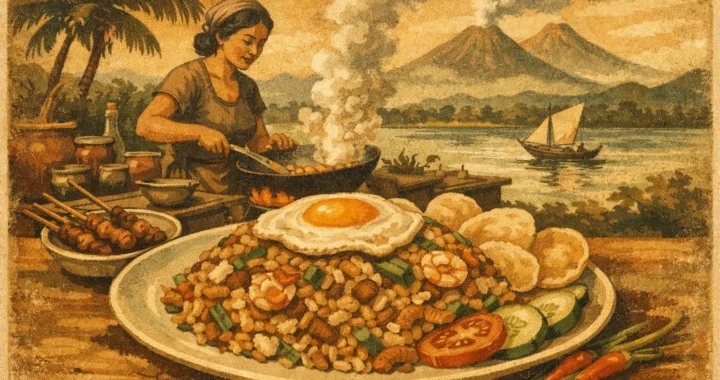
That first bite usually answers the question fast. If you have ever ordered a plate that looks like fried rice but tastes deeper, a little smoky, a little sweet, and a little spicy, you may have already met the dish behind the question, what is Indonesian fried rice.
Indonesian fried rice is most commonly known as nasi goreng. At its core, it is cooked rice stir-fried with seasoning, aromatics, and sauces, then often topped with a fried egg and served with simple sides like sliced cucumber, tomato, crackers, or pickled vegetables. What makes it stand out is not just that it is fried rice. It is the flavor profile. Compared with many other fried rice styles, nasi goreng usually leans darker, richer, and more savory-sweet because of kecap manis, a thick Indonesian sweet soy sauce.
For diners in Colorado Springs who want to try something beyond the usual takeout rotation, this is one of those dishes that feels familiar enough to order confidently but different enough to remember.
What is Indonesian fried rice made of?
The short answer is rice, aromatics, sauce, and protein or garnishes. The better answer is that Indonesian fried rice is built around balance.
Most versions start with day-old rice. That matters because freshly cooked rice can be too soft and steamy for stir-frying. Chilled rice holds its shape better, which helps each grain pick up flavor instead of turning mushy. Garlic and shallots are common starting aromatics, and many recipes also use chili for heat.
Then comes the seasoning. Kecap manis is the ingredient most people notice first because it gives nasi goreng its signature darker color and caramel-like depth. Regular soy sauce alone does not taste the same. Many versions also include shrimp paste, which adds a savory, slightly funky backbone. That ingredient is not always used in every kitchen, but when it is, it brings more depth than salt alone.
Protein can vary. Chicken, shrimp, beef, or egg are all common. Some versions are simple and rely mostly on the rice and sauce, while others are more loaded and feel closer to a full meal in one plate. The dish is flexible, which is one reason it works well in casual dining. It can be hearty without being complicated.
Why nasi goreng tastes different from other fried rice
If you are used to Chinese-style fried rice, Japanese fried rice, or Thai fried rice, Indonesian fried rice may still surprise you. The basic idea is similar, but the end result is distinct.
The biggest difference is sweetness paired with savory depth. Nasi goreng is not dessert-sweet, but it often has a noticeable sweet edge from kecap manis. That sweetness rounds out the salt and heat, so the dish tastes fuller and more layered. You are not just getting soy and oil. You are getting a darker, slightly sticky coating on the rice that clings to each bite.
There is also usually more intensity in the seasoning. Some fried rice dishes are meant to be light and subtle. Indonesian fried rice often goes the other way. It is bold, direct, and built to satisfy quickly. That makes it a good option for diners who want comfort food with a little more personality.
Texture plays a role too. A good nasi goreng should not be wet. The grains should stay separate, with just enough sauce to coat them. The fried egg on top adds richness, especially when the yolk breaks into the rice. Crisp garnishes on the side help cut through that richness and keep the plate balanced.
What is Indonesian fried rice in everyday Indonesian cooking?
In Indonesia, nasi goreng is not a niche dish or a special-occasion food. It is everyday food. People eat it from street vendors, at home, in casual restaurants, and as a practical way to use leftover rice.
That everyday status matters because it explains the dish better than any formal definition. Indonesian fried rice is popular partly because it is adaptable. It can be made cheaply, made quickly, and adjusted to what is available. A home version might be simple and egg-forward. A restaurant version may include more protein, stronger seasoning, and a fuller presentation.
You will also see regional and personal variation. Some versions are spicier. Some are sweeter. Some lean more on seafood, and some are topped more generously than others. So when someone asks what is Indonesian fried rice, there is a standard answer, but not a single fixed formula.
That is part of its appeal. It is recognizable without being rigid.
Common toppings and sides that come with nasi goreng
A plate of Indonesian fried rice often comes with more than just rice in a bowl. Presentation is part of the experience, even in a casual setting.
A fried egg is one of the most common toppings, and for good reason. The crispy edges and soft yolk add texture and richness. Many plates also include sliced cucumber and tomato, which bring freshness against the deeper, darker seasoning in the rice.
You may also see krupuk, or Indonesian crackers, served on the side. These add crunch and a light, airy contrast to the heavier stir-fried base. Pickles or lightly pickled vegetables are another common addition. They brighten the plate and help keep the flavors from feeling too heavy.
Sometimes the side items can make the dish look simple, but they are doing real work. Indonesian fried rice is rich and concentrated, so fresh and crisp elements help keep it balanced from the first bite to the last.
Is Indonesian fried rice spicy?
It depends on the kitchen. Some nasi goreng has a mild warmth, while some has a clear chili kick. Heat is common, but it is not the only defining feature.
That is useful to know if you are curious but cautious. A lot of people hear Indonesian food and assume every dish will be very spicy. In reality, Indonesian fried rice is more about savory depth than extreme heat. Chili can absolutely be part of it, but the dish usually works because sweet, salty, aromatic, and spicy elements are balanced together.
If you like some heat, nasi goreng often delivers enough to stay interesting. If you prefer milder food, many restaurant versions can still be approachable. It is one of those dishes where spice level can change a lot depending on who is cooking.
What is Indonesian fried rice compared to Thai or Japanese fried rice?
This is where expectations matter. If you order nasi goreng expecting the citrusy brightness of Thai fried rice or the cleaner, lighter profile of some Japanese fried rice, you may be caught off guard.
Thai fried rice often tastes brighter and more herb-driven, sometimes with fish sauce, lime, or basil leading the flavor. Japanese fried rice, depending on style, can be simpler and cleaner, with more emphasis on quick stir-fry technique and less on sweet sauce. Indonesian fried rice tends to be darker and more concentrated, with a more caramelized savory-sweet finish.
None of these styles is better across the board. It comes down to what you want that day. If you are after something comforting, filling, and bold without being complicated, nasi goreng makes a strong case.
Why people keep coming back to Indonesian fried rice
Part of the appeal is that it meets people where they are. If you already love Asian rice dishes, it offers a fresh variation without feeling unfamiliar. If you are newer to Indonesian food, it is one of the easiest entry points because the format is so recognizable.
It also works for a lot of situations. Lunch, dinner, dine-in, or takeout all make sense. It is satisfying on its own, and it usually lands well for groups where everyone wants something a little different. That same flexibility is a big reason restaurants with broader Asian menus often include it. It gives customers another comfort-food option that still feels distinct.
At O’Sae Colorado, for example, a Taste of Indonesia section makes sense because not every table wants the same thing. Some people want sushi, some want ramen, and some want a rice dish with strong, direct flavor. Indonesian fried rice fits that kind of mixed-group order especially well.
So, what is Indonesian fried rice really?
It is fried rice, but that answer is too basic to be useful. Indonesian fried rice is a bold, everyday rice dish centered on stir-fried rice, garlic, shallots, and sweet soy depth, often finished with egg and simple fresh sides. It is familiar enough for first-timers and distinct enough for people who want more than standard fried rice.
If you have never tried it, the easiest way to think about it is this: it is one of the most approachable ways to taste Indonesian cooking without needing a lot of background first. Order it when you want something comforting, a little richer, and a little more layered than the usual bowl of fried rice. Chances are, after one plate, you will stop asking what it is and start asking when you can have it again.