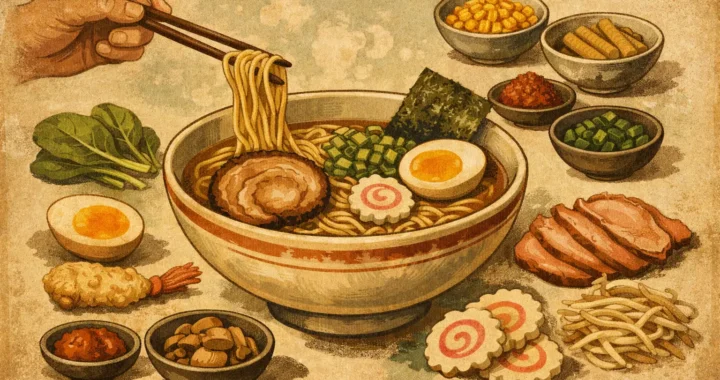
A good ramen bowl can go sideways fast when the toppings fight the broth. Too many rich add-ons can make the bowl feel heavy. Too many strong flavors can cover up the noodles. If you have ever wondered how to choose ramen toppings without overthinking it, the easiest place to start is balance.
Ramen works best when each part has a job. The broth brings body and flavor. The noodles add chew and structure. The toppings should support both, not pile on for no reason. That means the best topping choice is not always the most popular one. It depends on the broth, how hungry you are, and whether you want something classic, light, spicy, or filling.
How to choose ramen toppings by starting with the broth
The broth should make the first decision for you. A rich tonkotsu can handle stronger, fattier toppings because the base is already deep and creamy. Chashu pork, soft-boiled egg, garlic, wood ear mushrooms, and green onion usually fit naturally here. If you add too many extra rich items on top of that, though, the bowl can start to feel weighed down instead of satisfying.
A lighter broth like shoyu or shio gives you more room to play, but it also gets covered up more easily. Delicate broths tend to do better with toppings that bring contrast without taking over. Think bamboo shoots, spinach, nori, scallions, corn, or a simple egg. If you throw in a lot of chili oil, extra pork, fried toppings, and heavy sauces, you may lose what makes that broth appealing in the first place.
Miso ramen sits somewhere in the middle. It has a bigger flavor than shio or shoyu, but it is not always as heavy as tonkotsu. Miso can handle butter, corn, bean sprouts, ground meat, cabbage, and garlic especially well. This is one of the easier bowls for beginners because the broth has enough personality to carry a few bold toppings without becoming muddled.
If you are ordering rather than building at home, this is often the quickest way to decide. Ask yourself what kind of broth you want first, then choose toppings that match its weight.
Choose one rich topping, one fresh topping, and one texture
If you want a simple rule that works most of the time, use this: pick one rich topping, one fresh topping, and one texture-based topping. That keeps the bowl interesting without turning it into a crowded mix.
A rich topping could be chashu, soft-boiled egg, ground pork, butter, or even a slice of fried tofu depending on the style. This gives the ramen some depth and staying power.
A fresh topping brightens the bowl. Green onion, bean sprouts, bok choy, spinach, or a little cabbage can cut through the richness and make each bite feel cleaner. This matters even more in creamy broths.
Then add texture. Bamboo shoots bring crunch. Nori adds a soft, savory contrast. Corn adds little pops of sweetness. Fried garlic or sesame can work too, but use a lighter hand with very strong toppings. Texture is often what separates a bowl that tastes good from one that feels complete.
That formula is especially helpful if you are new to ramen. You do not need eight toppings. You need a bowl that makes sense.
Classic toppings and what they actually add
Some toppings show up again and again because they do a specific job well.
Chashu pork adds richness and a soft, savory bite. It is one of the safest choices when you want a heartier bowl. Soft-boiled egg adds creaminess and rounds out salty broth. Green onion gives sharpness and freshness. Nori adds a clean ocean-like savoriness and pairs well with lighter broths as well as richer ones.
Bamboo shoots bring crunch and a mild fermented note. Bean sprouts are lighter and fresher, which is useful when the broth is already heavy. Corn adds sweetness, and that can be great in miso ramen especially, but it is not for everyone in every bowl. Mushrooms add earthiness and chew. Wood ear mushrooms are especially good when you want texture without adding more fat.
Garlic can be excellent, but this is where restraint matters. A little can sharpen the whole bowl. Too much can flatten everything else. The same goes for chili paste or chili oil. Heat should add dimension, not erase the broth.
How to choose ramen toppings for your appetite
Not every ramen bowl needs to be built the same way. Lunch ramen and cold-weather dinner ramen are not always the same order.
If you want something lighter, keep the toppings cleaner and simpler. Choose greens, mushrooms, bamboo shoots, and maybe an egg. Let the broth and noodles do more of the work. This kind of bowl feels balanced without putting you in a food coma for the rest of the afternoon.
If you want a full meal, add a richer protein and one or two supporting toppings. Chashu plus egg plus scallions is a classic combination for a reason. It fills you up without making the bowl too busy.
If you are extra hungry, the answer is not always more toppings. Sometimes extra noodles or a side dish makes more sense than loading every available add-on into one bowl. Too many toppings can make ramen harder to eat and less enjoyable bite to bite.
Think about contrast, not just flavor
A lot of people choose toppings based only on what they like on their own. That makes sense, but ramen is about how ingredients work together in one hot bowl.
Contrast matters. A creamy broth benefits from fresh scallions or bean sprouts. A salty broth benefits from an egg or a little sweetness from corn. A bowl with lots of soft ingredients often needs one crunchy element to keep it from feeling flat.
Temperature and texture both play a role. Crisp vegetables soften in the broth over time, so if you love that fresh bite, eat them early. Nori changes quickly too. If you want it slightly crisp, do not let it sit too long. These details are small, but they affect how the bowl eats from first bite to last.
Mistakes people make when choosing ramen toppings
The most common mistake is treating ramen like a build-your-own salad bar. More is not automatically better. Too many toppings can crowd the noodles, dilute the broth experience, and make the bowl feel messy instead of comforting.
Another mistake is doubling up on the same function. Pork belly, egg, butter, and extra oil in a rich broth can be too much unless that is exactly the heavy bowl you want. On the other side, choosing only light vegetables in a delicate broth can leave the ramen feeling thin and unfinished.
People also underestimate strong toppings. Raw garlic, heavy spice, or too much sesame oil can take over quickly. If you are trying a broth for the first time, it is smarter to start with fewer add-ons and adjust next time.
How to choose ramen toppings when you are new to ramen
If you are just getting into ramen, keep your first bowl straightforward. Pick a broth that sounds good, then add one protein, one vegetable, and an egg or texture topping. That gives you enough variety to figure out what you like without making the bowl confusing.
A very safe starting point is chashu, soft-boiled egg, and green onion. If you want one more thing, add bamboo shoots or nori. That combination works across a lot of ramen styles and helps you notice what each topping contributes.
If you already know you like bolder flavors, miso ramen with corn, scallions, and an egg is a friendly place to start. It is flavorful, filling, and approachable. For guests ordering together with different comfort levels, that kind of ramen usually lands well because it is familiar enough to feel easy but still satisfying.
At a casual neighborhood spot like O’Sae Colorado, that practical approach makes sense. Order a bowl that matches your mood, keep the toppings balanced, and save the bigger experiments for the second visit.
Build a bowl you actually want to finish
The best ramen toppings are not the fanciest ones or the longest list. They are the toppings that make the broth taste better, give the noodles some support, and fit the kind of meal you want right now. If you start with the broth, add balance, and avoid overloading the bowl, you will usually end up with ramen that feels satisfying from the first bite to the last.
Next time you order, trust simple combinations first. A well-chosen bowl does not need much to feel right.