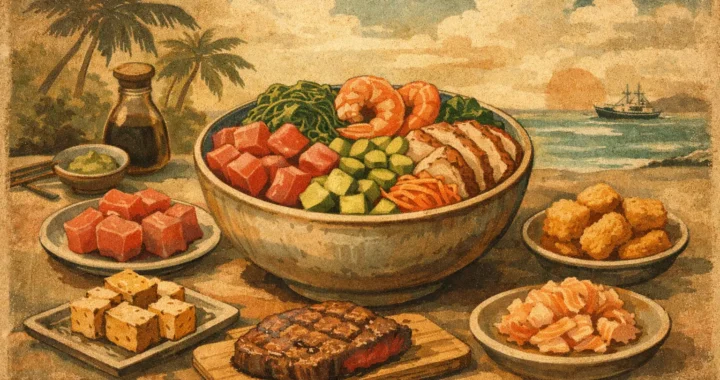
Some poke bowls look great on paper and still miss the mark once you start eating. Usually, the problem is not the rice, sauce, or toppings. It is the protein. When people think about poke bowl protein choices, they are really deciding how the whole bowl will eat – light or filling, rich or clean, familiar or a little more adventurous.
That matters whether you order poke all the time or you are trying it for the first time. A good protein choice can make the bowl feel balanced and easy to finish. The wrong one can leave it too heavy, too bland, or fighting with everything else you picked.
How to think about poke bowl protein choices
The easiest way to choose is to stop asking which protein is best and start asking what kind of bowl you want. Some proteins carry bold sauces well. Others are better when the toppings do more of the work. Some feel substantial enough for dinner, while others make more sense for a quick lunch.
Texture is a big part of it. Poke is not just about flavor. It is about how soft fish, crisp vegetables, creamy sauces, and chewy rice all come together in one bite. If your protein is too delicate, it can disappear under strong toppings. If it is too rich, the whole bowl can feel one-note.
For most people, the best choice sits somewhere between comfort and contrast. You want a protein that feels good with the ingredients you already know you like, but still gives the bowl some character.
Tuna is clean, classic, and easy to build around
Tuna is one of the most dependable poke proteins for a reason. It has a clean taste, a tender bite, and enough flavor to stand on its own without taking over the bowl. If you want something traditional-feeling or you are not sure where to start, tuna is usually a safe call.
It works especially well with soy-based sauces, scallions, cucumber, seaweed salad, and sesame. Those flavors support it without covering it up. If you like a bowl that feels fresh rather than heavy, tuna tends to keep things in that lane.
There is a trade-off, though. Because the flavor is relatively mild, tuna can get lost if you pile on too many big toppings or very sweet sauces. If you want crunchy onions, spicy mayo, mango, edamame, and extra sauce all in the same bowl, you may not taste the tuna as much as you expect.
Salmon brings more richness
If tuna feels lean and clean, salmon feels softer and fuller. It has more natural richness, which makes it a strong option for people who want their bowl to feel satisfying even with a lighter topping mix.
Salmon pairs well with creamy, spicy, and slightly sweet flavors. Avocado, spicy mayo, eel sauce, and cucumber all make sense here. If you like a bowl that tastes a little more indulgent, salmon usually gets you there faster than tuna.
The thing to watch is balance. Rich protein plus rich sauce plus avocado can tip into too much of the same texture. A better move is to add something crisp or sharp, like radish, green onion, or pickled vegetables, so the bowl still feels lively.
Shrimp is familiar and lighter than people expect
Shrimp is a good middle ground for customers who want seafood but are hesitant about raw fish. It has a familiar taste, a firmer bite, and a lighter overall feel than salmon. That makes it especially practical for lunch or for a bowl with a lot of toppings already planned.
Because shrimp has a mild sweetness, it works well with citrusy sauces, crunchy vegetables, and toppings that add freshness. Think cucumber, carrots, greens, or a little fruit if that is your style. It also handles spice well because the flavor is steady enough not to disappear.
Compared with tuna or salmon, shrimp can feel a little less luxurious in a poke bowl. That is not necessarily a negative. Sometimes a straightforward protein is exactly what makes the bowl easier to enjoy.
Tofu is not just the backup option
A lot of people treat tofu like the protein you choose only when you are skipping seafood. That undersells it. In a poke bowl, tofu can be a smart choice on its own, especially if you like strong toppings and bold sauces.
Tofu absorbs flavor well, which means it can carry soy, sesame, spicy, or garlic-forward combinations nicely. It also gives the bowl a softer, calmer base, which is useful if you are mixing in crunchy vegetables, seaweed salad, onions, and multiple sauces.
Its biggest strength is flexibility. Its biggest weakness is the same thing. If the rest of the bowl is under-seasoned, tofu will not rescue it. You need enough flavor around it to keep the bowl interesting. For customers who like to customize heavily, that is usually not a problem.
Mixed proteins can work, but only if the bowl stays focused
Choosing two proteins sounds like the obvious upgrade, and sometimes it is. Tuna and salmon together can give you contrast between lean and rich. Shrimp with a fish option can make the bowl feel more varied. If you want more texture in each bite, mixing proteins can help.
But more is not always better. When the proteins have very different textures or when the toppings are already busy, the bowl can start to feel scattered. Instead of tasting layered, it tastes random.
A good rule is to mix proteins only when the rest of the bowl stays simple. If you are going with two proteins, it helps to be restrained with sauces and toppings so each one still has room to show up.
Match the protein to the meal
Lunch bowls and dinner bowls often call for different choices. If you are ordering something quick in the middle of the day, tuna, shrimp, or tofu can keep the meal from feeling too heavy. You still get flavor and protein without the nap-after-lunch effect.
For dinner, people often want something more filling, and salmon tends to make sense there. It has a richer mouthfeel and holds up well in a bigger bowl. Mixed proteins can also work better at dinner, especially if you are hungry and want a little variety.
If you are ordering for a group, think about comfort level too. Not everyone at the table is looking for the same experience. One person may want a traditional fish-forward bowl, while someone else wants a more familiar or beginner-friendly option. That is where a place with broad menu variety, like O’Sae Colorado, can make ordering easier because people do not have to force one style of meal.
Sauce and toppings should support the protein
A lot of disappointing poke bowls are built backward. People choose toppings first, then add a protein almost as an afterthought. It works better the other way around.
If you pick tuna, keep the bowl clean and bright. If you pick salmon, use toppings that cut the richness. If you pick shrimp, lean into crunch and freshness. If you pick tofu, make sure the sauces and toppings bring enough character.
This does not mean you need to keep the bowl plain. It just means every choice should have a job. Creamy toppings can soften heat. Crisp vegetables can break up rich textures. Salty sauces can wake up milder proteins. Once you think in those terms, the bowl gets easier to build.
What beginners should order first
If you are new to poke, start with the protein that matches your comfort level, not the one you think you are supposed to order. Tuna is a good first choice if you want a classic poke experience without too much richness. Salmon works well if you already know you like buttery, fuller seafood flavors. Shrimp is often the easiest starting point for someone who wants a familiar seafood option. Tofu is a solid choice if you like customizing and want the toppings to lead.
The best first bowl is usually not the most complicated one. Pick one protein, one sauce direction, and a few toppings that make sense together. Once you know what you like, you can get more creative on the next order.
The best poke bowl protein choices depend on the bowl you want
That is really the whole point. The best poke bowl protein choices are not about ranking tuna over salmon or shrimp over tofu. They depend on whether you want something rich, light, classic, filling, simple, or customizable.
When the protein matches the rest of the bowl, everything else falls into place faster. You spend less time guessing and more time ordering something you will actually want again. A good poke bowl should feel easy to eat, balanced from the first bite to the last, and worth repeating when the craving comes back.