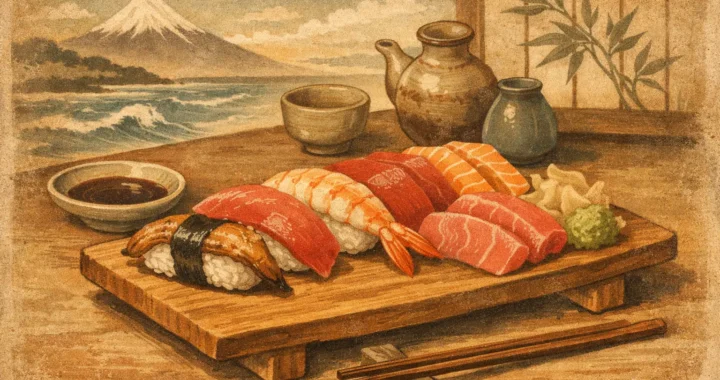
If you are scanning a sushi menu and trying to decide on the best nigiri sashimi, the real question is usually simpler: what sounds good, what feels approachable, and what matches your comfort level with raw fish? For some guests, that means starting with salmon or tuna. For others, it means building a mix of familiar pieces and trying one or two new options without overthinking it.
Nigiri and sashimi often get grouped together, but they offer different experiences. Nigiri is a slice of fish served over seasoned rice. Sashimi is just the sliced fish, without rice. If you like a little balance and texture, nigiri is often the easier starting point. If you want to focus on the fish itself, sashimi gives you the cleanest version of that flavor.
Best nigiri sashimi starts with knowing the difference
A lot of first-time sushi customers are not actually nervous about sushi itself. They are nervous about ordering the wrong thing. That is why understanding the format matters.
Nigiri is usually the most approachable choice for people who want traditional sushi without going too far outside their comfort zone. The rice adds mild sweetness and body, which makes rich fish feel softer and lean fish feel more balanced. A good piece of nigiri is simple, but that simplicity is the whole point. You notice the texture of the fish, the temperature of the rice, and whether the bite feels clean and satisfying.
Sashimi is more direct. There is no rice to soften the flavor or fill out the bite. If you already know you enjoy raw fish, sashimi can be the better order because it lets you compare one fish against another more clearly. If you are newer to Japanese food, sashimi can still be a great choice, but it helps to start with fish known for a milder, buttery texture.
Neither one is better in every situation. It depends on whether you want a full meal, a tasting experience, or a mix of both.
What fish usually makes the best nigiri sashimi?
The best place to start is with fish that have broad appeal. Salmon is one of the easiest entry points because it is rich, smooth, and not overly briny. It works well as both nigiri and sashimi, and it tends to win over people who are still deciding how they feel about raw seafood.
Tuna is another strong choice, but it can vary more. Lean tuna has a cleaner, meatier bite. Fatty cuts feel softer and more luxurious. If you want something classic, tuna is hard to miss with. If you want something gentler, salmon may still be the safer first order.
Yellowtail is a favorite for people who want a little more flavor without jumping to something strong. It has a buttery texture and a slightly richer finish than lean tuna. In many cases, yellowtail is the piece that turns a curious first-timer into someone who starts ordering sushi regularly.
Shrimp is also worth mentioning for guests who want something familiar. It is usually cooked, which lowers the barrier for beginners, and it still gives you the nigiri format without committing to raw fish right away. Egg, or tamago, can serve a similar role on some menus. It is mild, slightly sweet, and easy to enjoy.
Then there are the fish and seafood that depend more on personal preference. Mackerel has a stronger flavor. Octopus is firmer. Eel is often cooked and sauced, which makes it a good bridge for people who like bold, savory bites but are not ready for sashimi. These are excellent options, but they are not always the first recommendation when someone asks where to begin.
Best first picks for beginners
If you want the shortest path to a solid order, start with salmon nigiri, tuna nigiri, yellowtail sashimi, or shrimp nigiri. That combination gives you variety in texture and flavor without getting too far into the deep end.
If you already know you like seafood, add one piece that is less familiar. That is usually the best way to find a new favorite without turning the whole meal into a gamble.
How to order nigiri and sashimi without making it complicated
A practical order usually comes down to appetite. If you want lunch and need something that feels complete, nigiri is often the better anchor because the rice makes it more filling. If you are sharing with someone or adding other dishes like ramen, appetizers, or poke, sashimi can make more sense because it lets you sample quality fish without getting full too quickly.
For one person, a balanced order might be four to six pieces of nigiri plus a small sashimi selection if you want comparison. If you are dining with someone who is less experienced, splitting a few types of nigiri can be smarter than ordering a large sashimi plate. It keeps the meal approachable and makes it easier to talk through what you like.
The biggest mistake is ordering only by what sounds adventurous. There is nothing wrong with sticking to familiar fish if that is what you enjoy. Good sushi is not a test. It is dinner.
The rice matters more than people expect
When people talk about the best nigiri sashimi, the fish gets most of the attention. That makes sense, but for nigiri, the rice does a lot of work. Rice should hold together just enough to support the fish, but it should not feel packed, dry, or cold.
This is one reason nigiri and sashimi are not interchangeable. With sashimi, your entire focus is on the cut and quality of the fish. With nigiri, you are also judging balance. A great fish on poorly handled rice can feel flat. A well-made piece of nigiri feels like one bite, not two separate ingredients stacked together.
That is also why some diners prefer nigiri even when they already like sashimi. The rice rounds out the experience and makes each piece feel more complete.
Best nigiri sashimi for different moods
Sometimes the best choice depends less on taste and more on what kind of meal you want.
If you want something light and clean, sashimi is hard to beat. It works especially well when you are pairing it with soup, salad, or another dish. If you want something more filling but still easy to eat, nigiri makes more sense.
If you are bringing along family or friends with mixed preferences, nigiri is usually the easier group order. It feels familiar, portions are simple to share, and people who are curious but cautious tend to be more willing to try one piece of nigiri than a full sashimi serving.
If your table wants variety, a mix works best. A few nigiri selections, a sashimi plate, and one or two cooked items can satisfy both sushi fans and beginners without forcing everyone into the same lane. That is part of what makes a casual neighborhood spot like O’Sae Colorado appealing. You do not have to build the whole meal around one comfort level.
A few ordering tips that actually help
Soy sauce should support the fish, not drown it. Wasabi should add a little heat, not erase the flavor. If you are trying a fish for the first time, take one bite with minimal extras before deciding whether you like it.
Temperature matters too. Cold fish is normal, but the overall bite should not feel lifeless. Freshness, texture, and balance are what people usually mean when they say something tastes like the best nigiri sashimi they have had.
It also helps to pace your order from mild to rich. Start with lighter fish like white fish or lean tuna, then move toward salmon, yellowtail, or eel. Your palate picks up the differences more easily that way.
So what should you order first?
If you want the most reliable first order, choose salmon nigiri, tuna nigiri, and a small sashimi selection with yellowtail or salmon. That gives you a straightforward way to compare textures while keeping the meal familiar and enjoyable.
If you are hesitant about raw fish, start with shrimp nigiri or eel, then add one raw piece. If you already know you like sushi, branch out with a mixed plate and pay attention to what you finish first. That is usually a better guide than any ranking list.
The best choice is the one that makes you want another bite, not the one that sounds the most impressive. Order with that in mind, and the menu gets a whole lot easier.