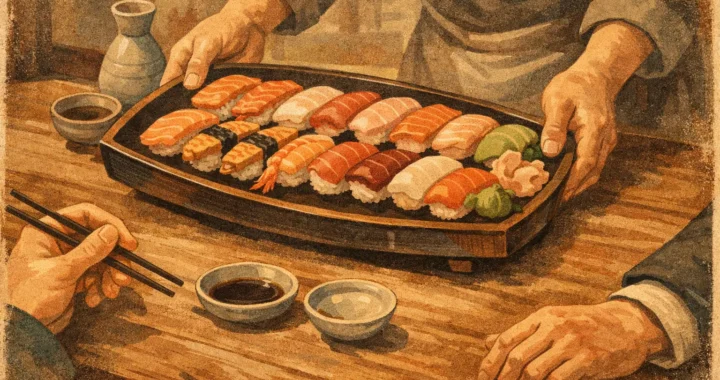
A nigiri platter is one of the easiest ways to put a good mix of sushi on the table without having to choose every piece one at a time. If you are wondering how to order nigiri platter options for lunch, dinner, or takeout, start with the people eating it. A couple of simple choices – how many diners, how adventurous they are, and whether sushi is the whole meal – will point you toward the right order.
Nigiri is sushi made with a small hand-pressed bed of seasoned rice topped with a slice of fish or seafood. It is different from a sushi roll, where rice and ingredients are wrapped together. A platter brings several nigiri choices together, giving your group variety while keeping the ordering process straightforward.
How to Order Nigiri Platter Without Overordering
First, decide whether the platter is the main course or part of a larger meal. For a light meal, many adults are comfortable with around six to eight pieces of sushi, depending on appetite and what else is on the table. If you are adding ramen, udon, appetizers, rice bowls, or rolls, you can order less nigiri per person and still have a satisfying spread.
A simple way to plan is to count the diners who will actually eat raw fish or seafood. Not everyone at the table needs to share the platter equally. One person may want salmon and tuna nigiri while another would rather have chicken karaage, a cooked roll, or noodles. Ordering for the group works best when each person has an option they will enjoy.
For two sushi fans, a platter plus one shared appetizer or roll can make a complete meal. For a family or larger group, choose a larger assortment and add familiar cooked items. This creates a table with something for beginners and experienced sushi diners, without turning the order into a guessing game.
Start With Familiar Fish
If this is your first time ordering nigiri, salmon and tuna are usually comfortable starting points. Salmon has a rich, smooth texture, while tuna is clean and mild. Shrimp is cooked and has a firmer bite, which can be a good choice for anyone who prefers seafood that is not raw.
As you get more comfortable, try variety through fish texture and flavor. White fish can be delicate and lightly sweet. Eel is typically served cooked with a sweet-savory sauce. Octopus has more chew, and roe offers a pop of salty flavor. A well-chosen platter lets you try these differences without committing to a full order of each item.
There is no need to order the most unusual item on the menu to have an authentic sushi experience. The best platter is the one your table will finish and enjoy.
Choose the Right Mix of Nigiri
A balanced nigiri platter usually includes a few familiar choices, a few mild choices, and one or two selections with more character. That may mean salmon, tuna, shrimp, a white fish, and a cooked option such as eel. The exact selection depends on availability and the restaurant’s current menu, so it is always fine to ask what fish is being featured that day.
If you are ordering for people with different comfort levels, ask for a mix that leans familiar. A restaurant team can help guide you toward approachable picks and flag items that are cooked, richer in flavor, or more adventurous in texture. This is especially helpful when a platter is being shared by first-time sushi guests and regular sushi eaters.
Keep in mind that nigiri is rice-forward. Each piece includes seasoned sushi rice, so a large platter is more filling than it may look. If your group also wants several rolls, poke, or noodle dishes, a moderate platter often makes more sense than the largest option.
Raw, Cooked, and Vegetarian Considerations
Before placing the order, check whether anyone needs cooked seafood, vegetarian food, or has an allergy. Shrimp and eel may suit diners who want cooked seafood, but always confirm preparation and ingredients when needed. If someone has a fish, shellfish, soy, sesame, or gluten concern, let the restaurant know before ordering.
Nigiri platters are not always the best single choice for every table. A guest who does not eat seafood may be happier with vegetable rolls, tofu, noodles, rice bowls, or another Asian comfort-food option. Building a shared meal around the whole group is more useful than trying to make every person fit one platter.
Add Sides That Make the Platter Feel Like a Meal
Nigiri has a clean, simple flavor, so a few sides can round out the meal. Miso soup is light and warming. Edamame is easy to share. Gyoza, tempura, or other appetizers add crunch and a cooked option. If you want a heartier dinner, ramen or udon can give the table a warm, filling centerpiece alongside sushi.
For takeout, choose sides that travel well and match the timing of your meal. Nigiri is best enjoyed soon after pickup, while soup and noodle dishes may need a little extra care on the ride home. If you are ordering for a work lunch or family dinner, plan the pickup time so the sushi does not sit too long before serving.
At O’Sae Colorado, it can also be practical to pair sushi with menu choices beyond Japanese favorites. A group may want nigiri while someone else is in the mood for a rice bowl or an Indonesian-inspired dish. That kind of variety makes one order easier when cravings do not match.
How to Eat Nigiri at the Table
Nigiri is usually served with soy sauce, wasabi, and pickled ginger. The ginger is meant to refresh your palate between different fish, not to pile on top of every piece. Wasabi can be added in a small amount if you like heat, but it is completely optional.
When dipping nigiri in soy sauce, turn the piece slightly and touch the fish side to the sauce instead of soaking the rice. Rice absorbs soy sauce quickly and can fall apart if it gets too wet. Chopsticks work well, but using clean hands for nigiri is also perfectly acceptable in a casual setting.
Try the pieces one at a time rather than mixing them into a shared bowl of sauce. Start with milder fish and move toward richer or stronger flavors, such as eel or roe. This is not a strict rule, but it helps you notice the difference between each selection.
Ordering Nigiri for Takeout or a Group
For takeout, ask for the platter to be packed with sauces and extras on the side. That helps preserve the texture of the rice and fish. Once home, open the container, set out small dipping dishes, and serve the sushi promptly. Avoid reheating nigiri or leaving it in a hot car.
For a group order, label or call out the more distinctive pieces before everyone starts picking. If someone is excited to try a specific fish, make sure they get a piece first. It is a small detail that keeps a shared platter from becoming a scramble.
A nigiri platter should feel easy, not intimidating. Order enough for the sushi fans, add a few dishes for the rest of the table, and choose fish that fits your group. The right platter is the one that lets everyone take a bite, try something new if they want to, and leave the table happy.