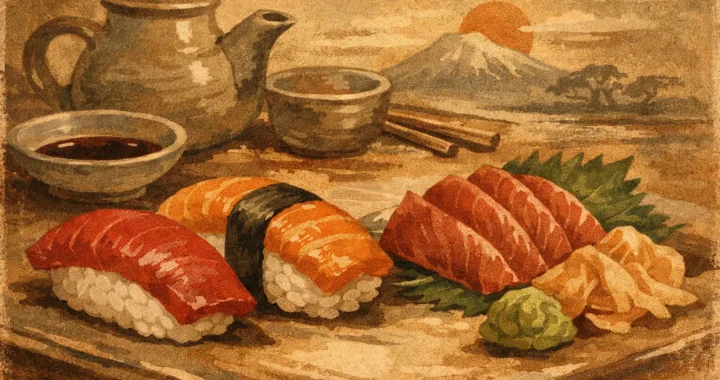
If you have ever looked at a sushi menu and paused at nigiri and sashimi, you are not alone. A lot of guests ask what does nigiri sashimi mean because the words sound similar, but they describe two different ways seafood is served.
The short answer is simple. Sashimi is sliced raw fish or seafood served by itself. Nigiri is a small hand-pressed piece of rice topped with fish or seafood. They often appear side by side on Japanese menus because they use similar ingredients, but the format, texture, and eating experience are different.
What does nigiri sashimi mean on a menu?
On a restaurant menu, nigiri and sashimi are categories, not the same dish. That is where a lot of confusion starts.
Sashimi refers to the protein on its own, usually cut into clean, bite-sized slices. You might see salmon sashimi, tuna sashimi, or yellowtail sashimi. There is no rice underneath. The focus is entirely on the texture, freshness, and flavor of the fish.
Nigiri refers to a single piece of sushi made with a small oval of seasoned sushi rice, usually topped with a slice of fish. Sometimes there is a tiny dab of wasabi between the fish and rice, and sometimes the topping is brushed with a little soy-based sauce. The rice matters just as much as the topping, so nigiri is about balance, not just the fish.
If you remember one thing, make it this: sashimi is fish without rice, and nigiri is fish over rice.
Nigiri vs. sashimi: the real difference
The easiest way to tell them apart is to look for rice, but that only covers the surface. The bigger difference is how each one is meant to be enjoyed.
Sashimi is usually for guests who want a cleaner, more direct taste of the seafood. Because there is no rice, sauce, or extra structure to soften the flavor, every bite puts the fish front and center. That can be a great choice if you already know what you like or if you want to notice subtle differences between tuna, salmon, snapper, or eel.
Nigiri is often more approachable for beginners. The rice adds texture and a little sweetness from the vinegar seasoning, which can make the whole bite feel more balanced. If raw fish sounds slightly intimidating, nigiri can be an easier starting point because it is less intense than sashimi alone.
Neither option is better across the board. It depends on what kind of meal you want. If you want something light and protein-forward, sashimi may be the better fit. If you want a more complete sushi experience with rice included, nigiri usually makes more sense.
What nigiri means in Japanese cuisine
The word nigiri comes from a Japanese term related to grasping or squeezing by hand. That fits the dish because nigiri is formed by hand. A sushi chef presses a small amount of rice into shape, then places the topping over it.
That hand-formed style matters. Nigiri is not just fish placed on rice in a random way. The size, shape, and pressure affect how it feels when you pick it up and how it holds together when you eat it. Good nigiri should stay intact long enough to reach your mouth, then come apart easily as you bite.
Some kinds of nigiri are very simple, like salmon or tuna. Others may use cooked shrimp, eel, or egg. So if someone assumes nigiri always means raw fish, that is not quite right. Nigiri is a sushi format, and the topping can vary.
What sashimi means in Japanese cuisine
Sashimi is centered on slicing. The quality of the cut is a big part of the dish because the fish is served with very little standing between you and the ingredient itself.
You will usually see sashimi plated with garnishes like shredded daikon radish, wasabi, ginger, or greens. Those are there to complement the fish, not distract from it. The fish remains the point of the plate.
Sashimi also is not limited to one type of seafood. Tuna and salmon are common favorites, but depending on the menu, you may also find yellowtail, octopus, squid, scallop, or other options. Some places even serve non-seafood sashimi-style dishes, though seafood is the standard expectation for most diners.
Because sashimi skips the rice, some guests choose it when they want a lighter meal or are avoiding extra carbs. That said, the main reason to order sashimi is usually taste and texture rather than nutrition alone.
Why people mix up nigiri, sashimi, and sushi
A lot of menu confusion happens because sushi is used as a catch-all word. Many people use sushi to mean any Japanese dish with raw fish, but that is not fully accurate.
Sushi technically refers to the vinegared rice used in sushi dishes. Nigiri is a type of sushi because it includes sushi rice. Maki rolls are also sushi because they include sushi rice. Sashimi is not sushi in the strict sense because it does not come with rice.
This is why someone might say they want sushi when they actually mean sashimi, or ask for sashimi when they are really thinking of nigiri. It is a very common mix-up, especially for newer diners. On a casual menu, these categories are usually grouped near each other, which makes the terms feel interchangeable even when they are not.
How to order if you are new to sushi
If you are trying to decide between the two, start with how comfortable you are with raw seafood and what kind of meal you want.
Nigiri is usually the safer first step. You get the flavor of the fish, but the rice makes each bite feel familiar and filling. Salmon nigiri and tuna nigiri are popular beginner choices because the flavor is clean and easy to enjoy.
Sashimi is a better pick if you already know you like the texture of raw fish or want to focus more on the seafood itself. If you are curious but unsure, ordering one or two pieces of nigiri and a small sashimi selection can help you compare them without committing to a full plate of either.
It also helps to know that not every sushi item is raw. Shrimp nigiri, eel nigiri, and some beginner-friendly rolls use cooked ingredients. So if your hesitation is really about raw fish, there are still plenty of ways to ease in.
What does nigiri sashimi mean for texture and flavor?
Texture is one of the biggest differences between these two menu items, and it matters more than many people expect.
With sashimi, the fish is the full experience. You notice whether it is silky, buttery, firm, delicate, or slightly chewy. Tuna feels different from salmon. Yellowtail feels different from octopus. Since there is no rice, those texture details stand out more clearly.
With nigiri, the rice changes the bite. The fish still leads, but the soft, lightly seasoned rice adds contrast and makes the piece feel more rounded. That is why some guests who find sashimi too direct end up loving nigiri. The rice softens the edges of the experience without hiding what makes the fish appealing.
Sauce and seasoning can vary too. Some nigiri is best with a light dip in soy sauce. Some is already seasoned by the chef and does not need much added. Sashimi is often served with soy sauce, wasabi, and ginger on the side, so you can adjust each bite.
Common examples you may see on the menu
Many restaurants offer overlapping proteins in both formats. Salmon, tuna, yellowtail, and shrimp are common examples. You may see salmon sashimi and salmon nigiri on the same menu, but the presentation and feel of the dish will be different.
If you want a lighter plate to share, sashimi works well. If you want something that feels more like a meal, nigiri tends to be more satisfying because of the rice. For lunch, a combination can be a smart choice, especially if the table includes both sushi regulars and first-timers.
At a place like O’Sae Colorado, where the menu is built for both beginners and longtime sushi fans, understanding these terms makes ordering easier. It helps you pick what fits your appetite instead of guessing based on a name alone.
The simplest way to remember it
Think of sashimi as slices and nigiri as slices on rice. That is the fastest, most useful way to keep them straight.
If you are ordering for someone new to Japanese food, nigiri is often the better introduction. If you want the purest taste of the seafood, sashimi is usually the move. And if you like variety, there is no rule saying you have to choose only one.
The next time you see both on a menu, you will know exactly what you are looking at and can order with a lot more confidence.