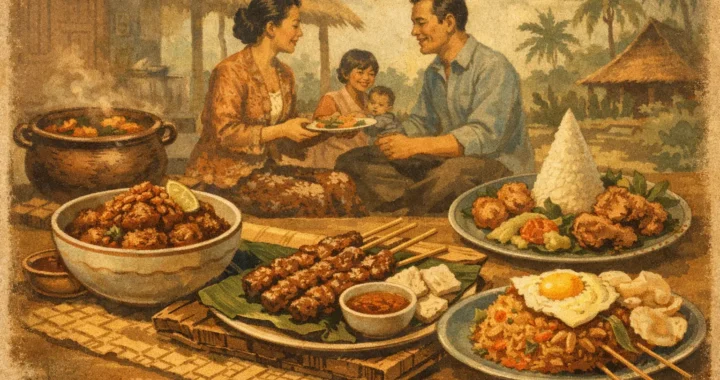
If you have ever looked at an Indonesian menu and wondered what people in Indonesia actually turn to when they want something warm, filling, and familiar, that gets to the heart of what is Indonesian comfort food. It is not one single dish. It is a style of eating built around rice, noodles, soup, slow-cooked meats, fried snacks, and bold sauces that feel satisfying without needing a special occasion.
For most people, comfort food means the meal you crave when you want something dependable. Indonesian comfort food works the same way. It is practical, flavorful, and rooted in everyday cooking. The dishes are often layered with garlic, shallots, chile, turmeric, ginger, lemongrass, sweet soy sauce, peanuts, coconut milk, or broth, but the goal is not complexity for its own sake. The goal is simple – food that tastes complete and leaves you happy you ordered it.
What is Indonesian comfort food made of?
A good way to understand Indonesian comfort food is to look at the building blocks. Rice is central. In many meals, it is the anchor that balances richer meats, spicy sambal, fried toppings, or saucy vegetables. Noodles play a similar role, especially in dishes that are fast, savory, and easy to eat any time of day.
Protein matters too, but it is not always flashy. Chicken, beef, shrimp, egg, and tofu show up often, usually in forms that absorb a lot of flavor from marinades, broths, or spice pastes. Texture is part of the appeal. A meal might pair tender beef with crisp fried shallots, soft rice with crunchy crackers, or silky coconut sauce with a grilled skewer.
That mix of comfort and contrast is one reason these dishes connect with so many people. Indonesian food can be bold, but it is usually balanced. Sweet, salty, savory, spicy, and rich often show up in the same plate, and when it is done well, none of those elements takes over.
The dishes that define Indonesian comfort food
If someone asks what is Indonesian comfort food in practice, a few classic dishes answer it quickly.
Nasi goreng is near the top of the list. This is Indonesian fried rice, often cooked with sweet soy sauce, garlic, egg, vegetables, and a choice of protein. It is deeply savory, a little smoky, and very approachable for first-time diners. It feels familiar if you already like fried rice, but the sweet soy and seasoning give it a distinct Indonesian character.
Mie goreng does something similar with noodles. It is stir-fried, hearty, and often slightly sweet and savory at the same time. For people who want comfort food with a little chew and a lot of flavor, it is an easy yes.
Soto is another major category. This is soup, but not in a one-note way. Indonesian soto can be clear and light or richer and more aromatic depending on the region. Chicken versions are especially common. The comfort comes from the broth, the soft noodles or rice, and the feeling that it is a complete meal in one bowl.
Rendang is comfort food of a different kind. It is a slow-cooked beef dish known for deep spice and richness. It is not always the quickest everyday meal, but it is absolutely the kind of food people remember. The beef becomes tender as it cooks with coconut milk and spices, creating something intense, warming, and satisfying.
Satay belongs in the conversation too. Grilled skewers served with peanut sauce may sound simple, but they hit all the right comfort notes – smoky meat, savory seasoning, rich sauce, and rice on the side. It is casual food, but it feels complete.
Then there is gado-gado, which shows that comfort does not always have to mean heavy. This Indonesian salad combines vegetables, egg, tofu, and often rice cake with peanut sauce. It is filling, textured, and balanced. For diners who want something lighter without giving up flavor, it makes a lot of sense.
Why Indonesian comfort food feels familiar to American diners
One reason Indonesian food works well in a casual restaurant setting is that many of its best-known dishes are easy to understand from the first bite. Fried rice, noodles, grilled meat, soup, and rice bowls already make sense to most American diners. The Indonesian version brings different sauces, aromatics, and spice blends, but the format is welcoming.
That matters if you are ordering for a group. Some people want to try something new. Others want to stay close to what they know. Indonesian comfort food often meets both needs at once. Nasi goreng can feel adventurous to one person and comfortably familiar to another. Satay can appeal to the person who loves grilled chicken as much as the person chasing bolder Southeast Asian flavors.
There is also a practical side. These are dishes that travel well, reheat well, and hold up for lunch or dinner. That makes them a natural fit for takeout and casual weeknight meals, not just sit-down occasions.
What makes Indonesian comfort food different from other Asian comfort foods?
There is some overlap with other Asian cuisines, especially around rice, noodles, soup, and grilled proteins. But Indonesian comfort food stands out for its seasoning profile.
Sweet soy sauce is one big marker. It gives dishes like nasi goreng and mie goreng a dark, lightly caramelized quality that tastes richer and rounder than standard soy sauce alone. Peanut sauce is another signature, especially with satay and gado-gado. Coconut milk shows up in curries, stews, and braised dishes, adding richness without always making a dish feel too heavy.
Spice is part of the picture, but it depends on the dish. Some Indonesian comfort foods are spicy. Others are mild and aromatic. That range is worth knowing because people sometimes assume Indonesian food is always hot. It is not. Heat can be central, optional, or barely present.
Regional variety also matters. Indonesia is a large country with many local cooking traditions, so there is no single master version of comfort food. One region may lean toward richer coconut-based dishes, while another favors lighter soups or sharper sambals. The shared thread is that these meals are everyday favorites, not just restaurant showpieces.
What to order if you are new to Indonesian comfort food
If you are trying to figure out where to start, the easiest move is to choose by format. If you like rice bowls and familiar stir-fried dishes, start with nasi goreng. If noodles are usually your comfort order, go with mie goreng. If you want something warm and lighter, a bowl of soto is a smart entry point.
If you tend to like grilled food and dipping sauces, satay is an easy win. If you are in the mood for something richer and deeper, rendang is worth trying. And if you want vegetables to be part of the main event, not just a side, gado-gado gives you that without feeling like a compromise.
The main trade-off is between familiarity and intensity. Fried rice and noodles are usually the easiest first step. Rendang and more regional dishes may offer bigger payoff if you already enjoy layered spice and slow-cooked flavors. Neither choice is better. It depends on how far outside your usual order you want to go.
What is Indonesian comfort food at a restaurant like ours?
In a casual setting, Indonesian comfort food works best when it stays true to the reasons people love comfort food in the first place. It should be easy to order, easy to enjoy, and satisfying whether you are dining in on a weeknight or picking up dinner to take home. That is part of why a Taste of Indonesia section makes sense alongside sushi, ramen, bowls, and other approachable Asian favorites at a place like O’Sae Colorado. It gives people room to try something different without making the experience feel unfamiliar.
That flexibility matters for families, mixed groups, and anyone ordering for more than one taste. One person can get a sushi roll, another can choose ramen, and someone curious about Indonesian flavors can try a dish that still lands squarely in the comfort-food category.
Why this category keeps growing
People are not just looking for novelty anymore. Most want food that fits real life – quick lunch breaks, low-effort dinners, group orders, and dependable favorites. Indonesian comfort food checks those boxes. It has enough flavor to feel distinct, but the formats are straightforward and satisfying.
It also avoids one common problem with trend-driven dining. You do not need a long explanation to enjoy it. A good fried rice, noodle plate, soup, or grilled skewer with sauce speaks for itself. That makes Indonesian food especially appealing in neighborhood restaurants where convenience and repeat visits matter.
If you have been curious but unsure where to begin, keep it simple. Start with the dish format you already know you like, then let the Indonesian flavors do the rest. Comfort food does not need to be complicated to be memorable.