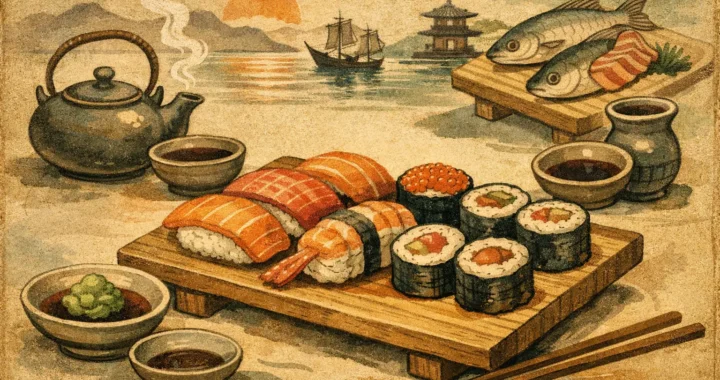
You sit down, open the menu, and suddenly one craving turns into five questions. Nigiri or sashimi? Maki or hand roll? What does toro mean, and is hamachi cooked? This guide to sushi menu terms is here to make ordering easier, whether you already know your favorite roll or you are trying sushi for the first time.
At a casual neighborhood spot, the goal is not to impress anyone with vocabulary. It is to help you get food you actually want. Once you know a few core sushi terms, menus get a lot less confusing, and it becomes easier to mix familiar choices with something new.
Guide to sushi menu terms: start with the basics
The first thing to know is that sushi does not simply mean raw fish. In the most practical menu sense, sushi usually refers to items made with seasoned rice, often paired with fish, seafood, vegetables, or egg. Some sushi is raw, some is cooked, and some has no seafood at all.
Sashimi is the term that usually causes the most confusion. Sashimi is sliced raw fish or seafood served without sushi rice. If you want the cleanest, simplest version of a fish, sashimi is usually the category to look for. If you want rice with it, you are probably looking for nigiri or a roll instead.
Nigiri is a small hand-pressed piece of sushi rice topped with a slice of fish or another ingredient. If a menu lists tuna nigiri, salmon nigiri, or shrimp nigiri, that means each piece is rice on the bottom and the topping on top. It is one of the easiest ways to learn what different fish taste like because there is not much else competing for attention.
Maki usually means a rolled sushi item cut into pieces. Rice and fillings are wrapped in seaweed, then sliced. Depending on the restaurant, simple rolls and specialty rolls may both fall under the broad roll category, but the ingredients and size can vary a lot.
A hand roll, sometimes called temaki, is rolled into a cone shape instead of being sliced into rounds. It is meant to be picked up and eaten by hand. If you like texture, hand rolls are great because the seaweed tends to stay crisp.
Common sushi menu terms you’ll see most often
Once you understand the main formats, the next step is reading the fish and ingredient names. Some are Japanese terms, and some are simply menu shorthand.
Tuna may also appear as maguro. Fatty tuna is often called toro. Toro is richer and softer than standard tuna, and many people love it for that reason. The trade-off is that it is usually more indulgent and often pricier.
Salmon is usually just listed as salmon, though sometimes you may see sake on traditional menus. Yellowtail is often called hamachi. It has a mild, buttery flavor that works well for people who want raw fish without a very strong taste.
Shrimp is often ebi. In many sushi restaurants, ebi is cooked shrimp, not raw. That makes it a good pick for beginners or anyone who prefers cooked seafood.
Octopus is usually tako. Squid is ika. Both have a different texture than fish, so whether you like them often comes down to texture as much as flavor.
Egg sushi is tamago. It is a slightly sweet layered Japanese omelet, often served over rice as nigiri. If someone in your group wants a non-seafood sushi option, tamago is a simple place to start.
Crab can mean real crab or imitation crab, depending on the item. In many casual rolls, especially California-style rolls, crab usually means imitation crab unless the menu says otherwise. Neither is automatically better for every order. Real crab has a more delicate flavor, while imitation crab is familiar, slightly sweet, and common in beginner-friendly rolls.
Avocado, cucumber, cream cheese, tempura flakes, spicy mayo, and eel sauce are also common menu terms in rolls. These ingredients usually signal a more American-style specialty roll rather than a traditional minimalist sushi item. That is not a bad thing. It just means the experience will be fuller, heavier, and often more sauce-driven.
Raw, cooked, and fried: what to expect
A lot of people assume sushi means raw fish in every case, but menus usually offer a full range. If you prefer cooked items, you have plenty of room to order comfortably.
Look for shrimp tempura rolls, eel rolls, baked rolls, cooked scallop options, or rolls with imitation crab. Unagi, which is freshwater eel, is typically cooked and glazed with a sweet-savory sauce. It is a popular choice for people who want bold flavor without ordering raw fish.
Tempura means battered and fried. If a roll includes shrimp tempura or soft shell crab, expect crunch and a more filling bite. If a menu says a roll is baked, that usually means part of the topping has been baked or broiled, often with sauce. Those rolls can be especially approachable for new sushi diners.
Spicy does not always mean very hot. In many sushi menus, spicy usually means a chili-based mayo or sauce mixed into fish or drizzled over a roll. Heat levels vary. If you are sensitive to spice, it is worth asking, because one restaurant’s spicy tuna can be another restaurant’s mild lunch order.
How specialty rolls differ from simpler sushi
If you are deciding between nigiri, basic maki, and specialty rolls, the easiest way to think about it is this: nigiri highlights one topping, simple rolls balance a few ingredients, and specialty rolls layer on sauces, crunch, and multiple flavors.
A California roll is one of the best-known examples of a beginner-friendly maki roll. It usually includes imitation crab, avocado, and cucumber. A spicy tuna roll is another common staple, usually more straightforward than a house specialty roll covered in sauces.
Specialty rolls often have names unique to the restaurant rather than standard Japanese terms. That means the ingredients matter more than the name. A “dragon roll” at one place may resemble a version somewhere else, but it is smart to read the full description. Some are topped with avocado, some with eel, some with sauces, and some are much larger than a basic roll.
If you want clean flavor and lighter portions, nigiri or sashimi may be the better choice. If you want a filling, more familiar, sauce-forward meal, specialty rolls usually make more sense. It depends on whether you are in the mood for tasting the fish itself or enjoying a bigger combination of textures and toppings.
Rice, seaweed, and toppings in a sushi menu
Rice does a lot of work in sushi. It is seasoned, slightly tangy, and meant to balance the topping. If you are ordering sashimi instead of sushi, you are skipping that rice element entirely, which makes the fish taste more direct and less rounded.
Nori is the seaweed wrapper used in many rolls. Some rolls place the rice inside the nori, while others flip it so the rice is on the outside. Those inside-out rolls are common in American sushi menus and tend to feel more familiar to guests who are new to seaweed texture.
Sesame seeds, tobiko, masago, scallions, and sauces often show up as toppings. Tobiko and masago are fish roe, or fish eggs, used for texture and a salty pop. They are not always essential to the flavor of a roll, but they do change the bite.
You may also see wasabi, pickled ginger, and soy sauce served alongside sushi. Wasabi adds heat, ginger helps refresh your palate between bites, and soy sauce adds salt. A little goes a long way, especially with delicately flavored fish.
A practical way to order if you are new
If you are brand new to sushi, it helps to order one familiar item, one simple sushi item, and one wildcard. That gives you a range without committing your whole meal to an experiment.
For example, a cooked roll with shrimp tempura or crab gives you a comfortable starting point. Adding salmon nigiri or tuna nigiri lets you try a classic sushi format without too much complexity. Then you can add one specialty roll, sashimi selection, or appetizer based on what sounds good.
This is also where a broad menu helps. If one person wants sushi and another wants ramen, udon, or a rice bowl, everyone can still leave happy. That is part of what makes a neighborhood place like O’Sae Colorado easy for mixed groups. Nobody has to pretend to be a sushi expert to order well.
A final tip: read the ingredient list, not just the item name. Names can be fun, but the description tells you whether something is raw, cooked, spicy, fried, rich, or simple. Once you know a handful of terms, the menu starts working for you instead of against you, and ordering gets a lot more enjoyable.