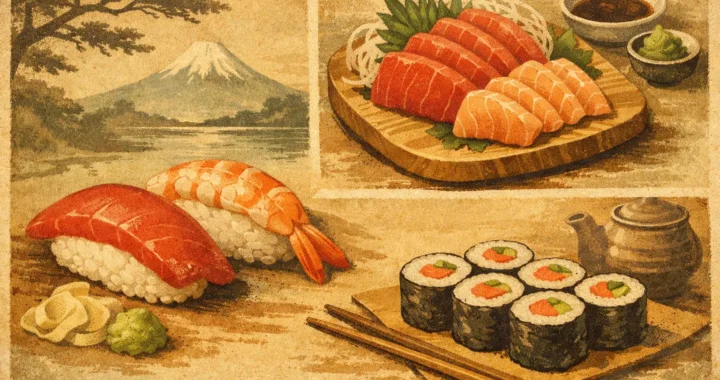
Standing at a sushi menu and comparing nigiri sashimi hosomaki can feel simple until you actually have to order. One comes over rice, one comes without rice, and one is a slim roll – but those small differences change the whole meal. If you are deciding what to try for lunch, dinner, or takeout, knowing what each style offers makes ordering a lot easier.
For some guests, the question is about taste. For others, it is about portion, texture, or how filling the meal will be. If you are new to sushi, the names can blur together fast. If you already know what you like, it still helps to understand why one format works better than another depending on what you are in the mood for.
What nigiri, sashimi, and hosomaki actually mean
Nigiri is a hand-pressed piece of rice topped with fish or another ingredient. It is usually served in two pieces per order, and the balance matters. You are tasting both the topping and the seasoned sushi rice together, not just one or the other.
Sashimi is sliced raw fish served without rice. That makes it the most direct way to taste the fish itself. Texture, freshness, and cut become the whole point because there is no rice, seaweed, or sauce structure to soften or change the bite.
Hosomaki is a small, narrow sushi roll. It typically uses seaweed on the outside, rice inside, and one main filling in the center. Because it is compact and straightforward, hosomaki is often one of the easiest roll styles to understand and enjoy.
Nigiri sashimi hosomaki – how the experience changes
These three formats can use some of the same ingredients, but they do not eat the same way. Nigiri gives you a balanced bite. The rice adds body and mild sweetness, so the fish feels fuller and more rounded. That is one reason many people find nigiri satisfying without feeling too heavy.
Sashimi is cleaner and more focused. If you love tuna, salmon, yellowtail, or another fish and want the purest version of it, sashimi is usually the best choice. At the same time, it can feel less approachable for beginners because there is nothing else in the bite to cushion the texture.
Hosomaki sits in a different lane. It is tidy, familiar, and easy to share. The seaweed gives it structure, the rice softens the flavor, and the filling stays consistent from piece to piece. For guests who want something lighter than a specialty roll but a little more familiar than sashimi, hosomaki often lands right in the middle.
When nigiri makes the most sense
Nigiri is a good fit when you want sushi that feels traditional, balanced, and filling without going overboard. Because each piece combines fish and rice, it gives you a complete bite. That matters when you want something satisfying but still clean and simple.
It also works well for people who are learning what kinds of fish they enjoy. You can try salmon nigiri, tuna nigiri, or shrimp nigiri and get a clear sense of each topping without committing to a large portion. Compared with larger rolls, nigiri makes tasting easier and more focused.
The trade-off is that nigiri depends on balance. If you are in the mood for bold sauces, crunch, or several ingredients at once, it may feel too restrained. Nigiri is better when you want the ingredient itself to stay front and center.
Who usually likes nigiri
Nigiri often appeals to diners who want a traditional sushi experience but do not necessarily want a full sashimi order. It is also a smart middle ground for groups. One person can order nigiri, someone else can pick a roll, and the table still feels easy to share.
If you are ordering takeout, nigiri also travels fairly well, though it is best eaten sooner rather than later. The rice can change texture over time, so it is usually at its best when you plan to eat soon after pickup.
When sashimi is the better order
Sashimi is all about the fish. If quality, cut, and texture are what you care about most, this is the format that keeps everything direct. It is often the choice for guests who already know they love raw fish and do not need rice to round out the plate.
It can also be a practical option if you want a lighter meal. Since there is no rice, sashimi feels less filling in one sense, but it can still be very satisfying if what you want is clean protein and straightforward flavor.
That said, sashimi is not always the best starting point for beginners. Some people love it right away. Others prefer to start with nigiri or hosomaki because the rice and seaweed make the textures feel more familiar. There is no wrong choice here – it mostly depends on your comfort level.
A good pick for experienced sushi diners
If you already know the difference between salmon and tuna by texture alone, sashimi gives you the clearest comparison. It strips the experience down to the ingredient. That is exactly why some guests love it and why others save it for specific cravings rather than every sushi meal.
Why hosomaki is often the easiest place to start
Hosomaki is one of the most approachable sushi styles on the menu. The roll is small, the flavors are usually straightforward, and the bite is easy to manage. For beginners, that can make a big difference.
A simple cucumber roll, tuna roll, or salmon roll gives you a clear idea of what sushi can be without the extra layers that come with larger specialty rolls. It is also a practical choice for lunch, shared appetizers, or adding variety to a table without ordering too much of one thing.
Hosomaki also works well for diners who want sushi but not a heavy meal. Because the rolls are smaller and simpler, they can pair nicely with soup, salad, ramen, or another dish if your group has mixed cravings.
Nigiri sashimi hosomaki for beginners
If you are brand new to sushi, hosomaki is usually the easiest first step, and nigiri is often the next one. Hosomaki offers a familiar roll format and usually milder, less intimidating bites. Nigiri introduces you to the fish more directly while still keeping rice in the mix.
Sashimi is often better once you know you enjoy the texture of raw fish on its own. Some first-time diners do start with sashimi and love it, but for most people, a gradual approach feels more comfortable.
This is especially useful when ordering with family or coworkers. One person may want traditional sushi, another may want something simple, and someone else may still be deciding how adventurous they feel. Choosing across these formats helps everyone find their lane.
How to choose based on appetite and meal style
If you want the most complete single bite, nigiri is a strong choice. If you want the purest taste of fish, order sashimi. If you want something easy, compact, and beginner-friendly, hosomaki usually makes the most sense.
Appetite matters too. Nigiri and hosomaki include rice, so they tend to feel more meal-like on their own. Sashimi can be lighter, which is great for some lunches but may leave you wanting another dish alongside it.
There is also the question of pacing. Nigiri and sashimi encourage slower eating because each piece stands on its own. Hosomaki is often more casual and easy to share. That difference may not sound huge, but it changes how the meal feels at the table.
Ordering for a group without overthinking it
When a group wants different things, mixing formats is usually the smartest move. A few nigiri orders, one sashimi plate, and a couple hosomaki rolls create variety without making the table feel too complicated. You get contrast in texture, portion, and flavor, and everyone has something comfortable to reach for.
That is one reason these styles work so well in a casual setting like O’Sae Colorado. Some guests want a straightforward sushi lunch. Others want to test out a new favorite. Having nigiri, sashimi, and hosomaki on the same menu makes it easier to build a meal around the people you are actually dining with, not just around one style of sushi.
If you are still unsure, start with the version that sounds easiest to enjoy, not the one that feels most impressive to order. Good sushi does not require guesswork. It just helps to know what kind of bite you want before you ask for it.