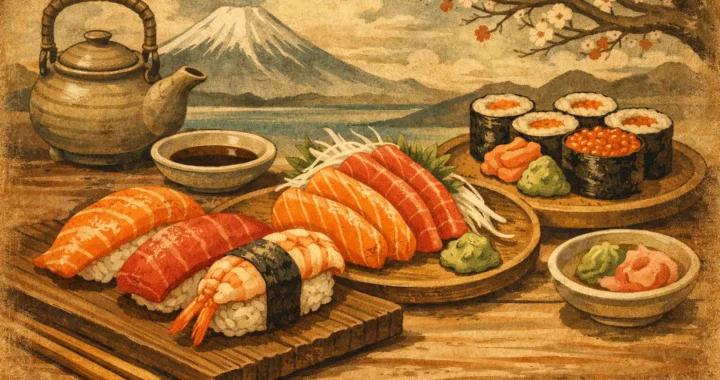
If you have ever looked at a sushi menu and paused at nigiri, sashimi, and sushi, you are not alone. A lot of guests ask what is nigiri vs sashimi vs sushi, especially when they want to order something they will actually enjoy and not just something that sounds familiar.
The short answer is simple. Sashimi is sliced raw fish or seafood served without rice. Nigiri is a small hand-pressed piece of rice topped with fish or seafood. Sushi is the broader category that includes vinegared rice and can cover nigiri, rolls, and other styles. That is the basic difference, but the details matter when you are deciding what to order.
What is nigiri vs sashimi vs sushi in plain terms?
Think of sushi as the umbrella term. If a dish uses seasoned sushi rice, it usually falls somewhere under the sushi category. Nigiri is one type of sushi. Rolls like maki are another type. Sashimi is separate because it does not come with sushi rice.
That is where a lot of confusion starts. Many people use the word sushi to mean any raw fish, but that is not quite right. Raw fish by itself is sashimi. Sushi is more about the rice than the fish. In fact, some sushi does not include raw fish at all. You can have cooked shrimp sushi, egg sushi, or vegetable rolls and they are still sushi because of the rice.
So if you remember one thing, remember this: sashimi is fish without rice, nigiri is fish over rice, and sushi is the larger category that includes nigiri and rolls.
Sashimi: simple, clean, and all about the fish
Sashimi is usually served as carefully sliced pieces of raw fish or seafood. Tuna, salmon, yellowtail, and octopus are common examples, though what is available depends on the restaurant and the day. Because there is no rice to balance the flavor, the texture and freshness of the fish are front and center.
For some people, sashimi is the purest way to enjoy seafood. You taste the fish directly, without much in the way. It can feel lighter than a full sushi order, but it can also feel more intense if you are new to raw seafood. If you are not sure how you feel about raw fish, sashimi is sometimes a bigger leap than nigiri because there is no rice to soften the experience.
That does not mean sashimi is only for experts. It just depends on your comfort level. If you already know you like salmon or tuna, sashimi can be a great pick. If you are brand new, you may prefer to start with nigiri or a beginner-friendly roll.
Nigiri: the middle ground for many first-time sushi guests
Nigiri is often the easiest way to understand sushi because it is so straightforward. It is a small mound of vinegared rice, usually shaped by hand, with a slice of fish or seafood placed on top. Sometimes there is a small dab of wasabi between the rice and the topping. Sometimes a thin band of seaweed is used to hold a softer topping in place.
Nigiri gives you both key parts of sushi at once: the seasoned rice and the topping. That balance is why many people find it more approachable than sashimi. The rice adds texture, mild sweetness, and substance, so each bite feels less sharp and more rounded.
Nigiri also makes it easier to compare different fish. If you want to try tuna, salmon, and shrimp without committing to a full roll or a larger sashimi plate, nigiri is a practical choice. It is simple, portioned, and easy to order piece by piece depending on the menu.
Sushi: the category most people mean
When most guests say sushi, they often mean rolls. That is understandable because rolls are common, familiar, and usually the most visible part of a sushi menu. But sushi is a broader category built around vinegared rice.
Nigiri is sushi. Maki rolls are sushi. Hand rolls are sushi. Some specialty items are sushi too, as long as they are built around sushi rice. Sashimi is not sushi in the strict sense because it skips the rice completely.
This matters when you are ordering. If you say you do not like sushi because you tried one raw roll once, you still might enjoy cooked sushi, veggie rolls, or nigiri with a topping you already know you like. Sushi is not one thing. It is a range of formats, textures, and flavor profiles.
The rice is the real dividing line
The easiest way to tell these dishes apart is to look for the rice. Sushi rice is seasoned with vinegar, sugar, and salt, which gives it a distinct flavor. It is not just plain white rice on a plate. That seasoning is part of what makes sushi taste like sushi.
Nigiri includes sushi rice, so it is sushi. Rolls include sushi rice, so they are sushi. Sashimi does not include sushi rice, so it stands on its own.
That sounds technical, but it helps in real life. If you want something filling, dishes with rice usually make more sense. If you want something lighter or you are focused on the seafood itself, sashimi may be the better fit.
Which one should you order?
If you are new to Japanese food, nigiri is often the safest place to start if you want to try traditional sushi without jumping straight into sashimi. It gives you a clearer, cleaner taste than a sauce-heavy specialty roll, but it is still approachable.
If you already know you enjoy raw fish and want the fish to be the whole experience, sashimi is a strong choice. It is simple and direct. On the other hand, if you want variety, texture, and a more filling meal, sushi in roll form may be the better order.
It also depends on who you are dining with. In a group, it is common to mix formats. One person may want a roll, another may prefer nigiri, and someone else may go for sashimi plus a bowl or appetizer. That flexibility is part of what makes a good sushi menu easy to enjoy, even if everyone at the table wants something different.
Common misunderstandings about nigiri, sashimi, and sushi
One common myth is that sushi always means raw fish. It does not. Plenty of sushi uses cooked seafood, vegetables, egg, or other ingredients.
Another misunderstanding is that sashimi is somehow more “authentic” and rolls are not. That is too simplistic. Different sushi styles serve different purposes. Sashimi highlights the seafood. Nigiri balances seafood and rice. Rolls can be easier for beginners and can bring in crunch, sauce, or cooked ingredients. None of that makes one format automatically better than the others.
People also sometimes assume nigiri is harder to eat or more formal. In a casual restaurant setting, it does not need to feel complicated. You do not need expert-level knowledge to enjoy it. You just need to know what you like, or be open to trying a piece or two.
How to order with more confidence
If you are standing at the counter or scrolling through an online menu, start with what sounds comfortable. If you like salmon, tuna, shrimp, or crab in other dishes, those can be good entry points in sushi too. If texture is your concern, nigiri is often easier to predict than sashimi, and a cooked roll is often easier to predict than either.
If you want a lighter meal, sashimi with soup or a side can make sense. If you want something more filling, nigiri and rolls usually do more of that work because of the rice. If you want to sample a few things, combine them. A couple pieces of nigiri and a simple roll can tell you a lot about what you like.
At a place like O’Sae Colorado, where the menu includes options for both beginners and regular sushi fans, that range matters. You do not have to order the most traditional item on the menu to have a good meal. The best order is the one you will enjoy enough to come back for again.
What is nigiri vs sashimi vs sushi when you are just hungry?
When you strip away the terminology, the choice is pretty practical. Sashimi is for when you want clean slices of seafood without rice. Nigiri is for when you want that seafood paired with seasoned rice in a simple bite. Sushi is the broad category that includes nigiri, rolls, and other rice-based styles.
You do not need to memorize every Japanese term to order well. Just know whether you want fish by itself, fish over rice, or a broader sushi option like rolls. Once that clicks, the menu gets a lot easier to read.
The next time you are deciding between nigiri, sashimi, and sushi, order for your appetite, your comfort level, and your curiosity. That is usually the right call.