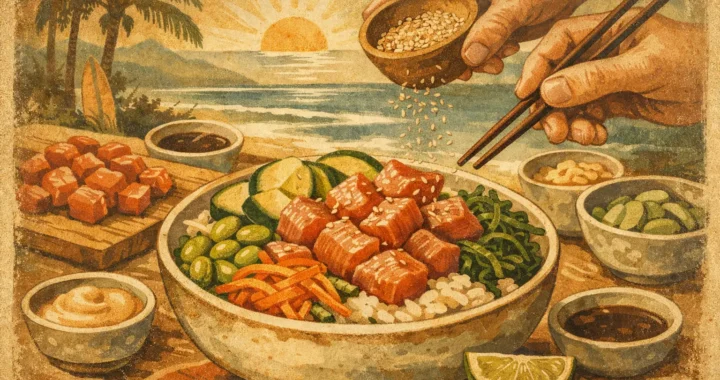
A poke bowl can go wrong fast. Too much sauce, too many toppings, bland rice, watery vegetables – suddenly what sounded fresh and easy turns into a bowl that tastes busy instead of balanced. If you want to learn how to build poke bowl combinations that actually work, the best place to start is with balance, not quantity.
Poke is one of those meals that looks simple because it is simple, but that also means every part matters. The base affects texture. The protein sets the tone. The toppings can either add crunch and freshness or crowd the whole bowl. When each layer has a job, the bowl feels satisfying instead of random.
How to build poke bowl from the bottom up
The easiest way to think about a poke bowl is in layers. Start with the foundation, then build flavor and texture one step at a time. You do not need ten toppings to make it good. Most of the time, a better bowl comes from making a few smart choices.
Start with the base
Rice is still the classic choice, and for good reason. A slightly warm bowl of seasoned white rice gives poke a clean, comforting base that lets the toppings stand out. Sushi rice works especially well because it has the stickiness and light seasoning that pairs naturally with raw fish, marinated proteins, and sauces.
Brown rice is a solid option if you want something a little nuttier and heartier. It adds more chew, which some people like, but it can also compete with delicate proteins. Salad greens create a lighter bowl and make sense if you want something fresher or lower in carbs. The trade-off is that greens do not absorb sauce the same way rice does, so the bowl can feel sharper and less rounded.
Half rice and half greens is often the easiest middle ground. You get the comfort of rice and the freshness of greens without committing fully to either one.
Pick a protein that matches the bowl you want
Traditional poke often features tuna, but that is not your only good option. Salmon gives you a richer, softer bite and works well with creamy sauces, avocado, and cucumber. Tuna tends to be cleaner and meatier, which makes it a natural fit for soy-based marinades, seaweed salad, and scallions.
If raw fish is not your thing, cooked shrimp, tofu, chicken, or imitation crab can still make a very good bowl. This matters for beginners because poke should feel approachable, not like a test. A cooked protein often gives people an easier starting point, especially if they already know they like rice bowls but are not fully comfortable with sashimi-style fish.
The main thing is to avoid mixing too many proteins in one bowl unless you know why you are doing it. One protein keeps the flavors clear. Two can work if they complement each other. More than that usually turns into a bowl with no center.
Add sauce with restraint
This is where a lot of bowls get overloaded. Sauce should support the bowl, not drown it. Soy-based sauces bring salt and depth. Spicy mayo adds richness and heat. Sesame-based sauces can be nutty and a little sweet. Ponzu gives brightness and acidity.
What works best depends on the rest of your bowl. Rich proteins like salmon often do well with lighter, more acidic sauces so the whole thing does not feel heavy. Leaner proteins can handle something creamier or a little sweeter. If you are adding avocado, crunchy onions, and multiple toppings with strong flavor, keep the sauce simple.
A good rule is to choose one main sauce and, if you want extra flavor, use a small amount of a second sauce as an accent. Once the rice gets soggy, there is no fixing it.
The toppings that make a poke bowl better
Toppings are where people tend to get carried away. The goal is not to add every ingredient you like. The goal is to create contrast.
Go for texture first
A good poke bowl usually needs something soft, something crisp, and something with bite. If your protein is tender and your base is soft, add crunch with cucumber, radish, crispy onions, or cabbage. If your bowl already has plenty of crisp vegetables, you may only need one creamy ingredient like avocado to round it out.
Edamame adds substance without being too loud. Seaweed salad brings salt and a slick, briny texture that works especially well with fish. Scallions add freshness and sharpness. Jalapenos can brighten the bowl, but they can also overpower milder ingredients if you pile them on.
Sesame seeds, furikake, and masago are small additions, but they matter. They finish the bowl and add flavor in a way that feels intentional rather than bulky.
Keep the flavor profile consistent
This is the part that separates a bowl that tastes well built from one that feels like leftovers. If you are going for a fresh, clean bowl, lean into cucumber, scallions, greens, ponzu, and sesame. If you want a richer bowl, choose salmon, avocado, spicy mayo, crispy onions, and maybe a little eel sauce.
Mixing too many directions at once can flatten the whole experience. Sweet mango, spicy mayo, seaweed salad, pickled ginger, corn, and creamy crab can all be good ingredients, but not always in the same bowl. A poke bowl needs some restraint.
Common mistakes when learning how to build poke bowl
One common mistake is assuming more toppings means more flavor. Usually it just means less clarity. Four or five well-chosen toppings can do more than eight random ones.
Another mistake is ignoring temperature. A good poke bowl has contrast. Cool fish over slightly warm rice works because the textures stay distinct. If everything is fridge-cold, the bowl can taste muted. If everything is warm, it stops feeling like poke.
People also underestimate seasoning in the base. Plain rice can make the entire bowl feel flat, even if the toppings are good. A little rice vinegar seasoning or a properly prepared base makes a noticeable difference.
Then there is the issue of moisture. Watery cucumbers, over-sauced proteins, and juicy fruit can collect at the bottom and turn the rice mushy. This does not mean those ingredients are bad. It just means portioning matters.
Easy poke bowl combinations that usually work
If you are new to poke, start simple. A salmon bowl with sushi rice, cucumber, avocado, scallions, sesame seeds, and a light soy-sesame sauce is easy to like. It is balanced, filling, and not too sharp.
If you want more heat, tuna with rice, seaweed salad, edamame, jalapeno, crispy onion, and spicy mayo gives you a stronger profile without getting messy. For a lighter option, greens with shrimp, cucumber, radish, avocado, and ponzu keep things fresh and clean.
A tofu bowl can be just as satisfying if you build it with enough contrast. Rice, tofu, edamame, cabbage, carrots, scallions, sesame, and a savory sauce create something that feels complete rather than like a substitute.
For families or groups, poke works well because each person can build around their comfort level. One person may want raw tuna and seaweed salad. Another may prefer a cooked protein, plain rice, and familiar toppings. That flexibility is part of why poke stays popular in casual restaurants – it can meet different appetites without turning dinner into a debate.
Build for balance, not just preference
The best poke bowls are not just a list of favorite ingredients. They have structure. You want a base that fits the protein, a sauce that adds enough flavor without taking over, and toppings that bring contrast instead of clutter.
That also means being honest about what you actually want from the meal. If you are hungry, a greens-only bowl may leave you unsatisfied. If you want something refreshing at lunch, a heavy rice base with rich sauces might feel like too much. There is no single right formula. There is just the right mix for that moment.
At a neighborhood spot like O’Sae Colorado, that kind of flexibility matters because not everyone orders the same way. Some people know exactly what fish and toppings they want. Some want an easy, beginner-friendly bowl that feels familiar on the first try. A well-built poke bowl should work for both.
If you keep one thing in mind, make it this: every ingredient should earn its place. When the base, protein, sauce, and toppings all pull in the same direction, a poke bowl stops feeling like a trend and starts feeling like a meal you will actually want again.