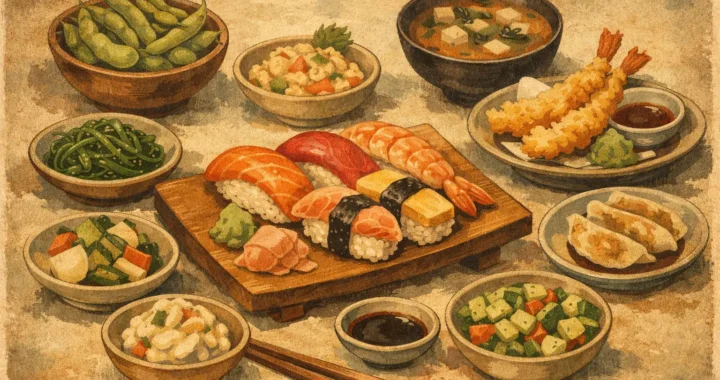
Ordering sushi gets a lot easier once you know the best sushi sides to order. A good side can lighten a rich roll, make sashimi feel more complete, or give the table something warm and familiar while everyone picks their favorites. If you’re ordering for a group, sides also help cover different tastes without making the meal complicated.
The right choice depends on what kind of sushi you’re getting. Crispy tempura rolls, simple nigiri, beginner-friendly rolls, and sashimi all pair differently. Instead of adding random extras, it helps to think in terms of balance – warm with cold, crisp with soft, and rich with clean flavors.
How to choose the best sushi sides to order
If your sushi order is already rich, such as rolls with spicy mayo, eel sauce, cream cheese, or tempura shrimp, lighter sides usually work better. Seaweed salad, miso soup, or edamame keep the meal from feeling too heavy. They add texture and flavor without competing with the sushi.
If your order is simpler, like salmon nigiri, tuna sashimi, or a basic cucumber roll, you have more room to add something warm or savory. Gyoza, tempura, or a small rice dish can make the meal feel more filling. This is especially useful at lunch or when sushi is dinner rather than a snack.
It also matters who you’re ordering for. If one person loves raw fish and another is just getting started, shared sides can bridge the gap. A table with edamame, dumplings, and soup feels more approachable than a table of sashimi alone.
Edamame is the easiest safe pick
If you want one side that works with almost any sushi order, start with edamame. It is simple, warm, lightly salted, and easy to share. It also gives the table something to snack on while rolls arrive, which is helpful if you are ordering several items at once.
Edamame pairs well with nearly everything because it does not overpower delicate fish. It is a better match for sushi than heavily seasoned appetizers when you want the fish and rice to stay the focus. For first-time sushi diners, it is also familiar enough to feel low-pressure.
Miso soup adds warmth without heaviness
Miso soup is one of the best sushi sides to order when you want the meal to feel complete but not oversized. It gives you something warm before cold sushi, which can make the whole order feel more balanced, especially on a cooler day or during lunch.
Because miso soup is light, it fits well with sashimi and nigiri. It can also help offset richer rolls by giving your palate a break between bites. If you already have fried appetizers coming, soup is often the smarter second side than adding another crispy dish.
Seaweed salad brings brightness and texture
Seaweed salad is a strong choice when your sushi order leans rich or creamy. It adds a cool, slightly tangy contrast that works especially well with spicy tuna rolls, tempura rolls, and baked rolls. The texture also helps because sushi can otherwise feel very soft from one item to the next.
This is one of the better sides for people who want something refreshing but not plain. It has more personality than a basic salad, yet it still supports the sushi instead of taking over the meal. If your table is ordering a mix of classic and more indulgent rolls, seaweed salad usually fits right in.
Gyoza makes sushi dinner more filling
Sometimes sushi sounds good, but you know rolls alone will not be enough. That is where gyoza comes in. Pan-fried dumplings add a savory, comforting element that turns a lighter sushi order into an actual dinner.
Gyoza is a good pick if you are ordering simpler rolls, vegetable rolls, or a modest lunch combination. It is also useful for mixed groups because not everyone wants to start with raw fish. The trade-off is that dumplings are more filling and more heavily seasoned than soup or edamame, so they can overshadow delicate nigiri if you order too much.
Tempura works best when the rest of the meal is light
Tempura can be a great side, but it helps to be selective. If your sushi order is mostly sashimi, cucumber rolls, tuna rolls, or other clean flavors, a side of tempura adds crunch and warmth in a satisfying way. It gives the meal more contrast and can make a lighter order feel complete.
If your sushi is already fried or covered in sauce, though, tempura can push the meal into heavy territory fast. That does not make it a bad choice. It just means it works better when the rest of the table is ordering simpler items. For takeout, tempura is also best enjoyed quickly so it stays crisp.
House salads are underrated with sushi
A simple house salad is not the most exciting side on the menu, but it can be one of the smartest. When your order includes specialty rolls, fried appetizers, or richer proteins, a fresh salad resets the meal and keeps everything from blending together.
This is also a practical choice if you want something lighter at lunch. A salad plus a roll or two can hit the right balance without leaving you overly full. If you are ordering for a workday meal, that can matter more than people expect.
Shumai and similar appetizers suit mixed groups
Steamed appetizers like shumai are useful when the table wants a shareable side that feels a little more substantial than edamame but not as heavy as tempura. They are soft, savory, and easy to pair with beginner-friendly sushi choices.
These kinds of sides work best in group orders where people want options. They are less about perfect pairing with a specific roll and more about making the meal more flexible. If someone at the table is not sure about sushi yet, familiar appetizers help them settle in.
Rice bowls and mini bowls can round out a light order
There are times when sushi is only part of the plan. Maybe one person wants nigiri, another wants a cooked dish, or maybe you know a couple rolls will not quite do it. In those cases, a small rice bowl or mini bowl can be a practical add-on.
This is especially helpful for families, students, or anyone ordering with different appetites in mind. The key is portion awareness. A bowl can turn a sushi meal into a much heavier order, so it makes more sense when the sushi choices are lighter or when the group wants variety more than a strict sushi-only dinner.
Noodle sides are better for shared meals than tight pairings
Ramen or udon is usually not thought of as a sushi side, but in a casual restaurant setting, it can make sense. If your group wants both sushi and comfort food, a noodle dish can round out the table and make sure everyone leaves happy.
This is less about classic pairing and more about real-life ordering. Not every meal needs to be purist. If one person wants sashimi and another wants something warm and filling, combining categories is often the most practical move. That is part of what makes a broad menu useful in the first place.
What to order with specific sushi styles
If you are ordering sashimi or nigiri, stick with sides that stay out of the way. Miso soup, seaweed salad, and edamame are your safest bets. They support the meal without covering up the cleaner taste of the fish.
If you are ordering specialty rolls with sauce, crunch, or fried ingredients, choose something fresh or simple. Seaweed salad and house salad usually do more for balance than adding another fried item.
If you are new to sushi, start with approachable sides. Edamame, gyoza, and soup make the meal feel familiar. That can make it easier to try a beginner roll without feeling like the whole order is a leap.
If you are feeding a group, think in layers. One warm side, one light side, and one shareable appetizer usually creates enough variety. At O’Sae Colorado, that kind of mix works well because the menu is broad enough to keep both sushi regulars and first-timers comfortable.
A few sides are worth skipping sometimes
Not every side improves every order. If you already have multiple fried rolls, another fried appetizer can make the whole meal feel one-note. If you are ordering delicate fish, a very bold or saucy side may distract more than it adds.
That is why the best sushi sides to order are not always the richest or most popular ones. The best side is often the one that fills a gap in the meal, whether that means adding crunch, warmth, freshness, or enough substance to satisfy everyone at the table.
A good sushi order does not need a lot of extras. It just needs the right ones. Choose sides that make the meal easier to enjoy, easier to share, and a little more satisfying from the first bite to the last.